Who is a Acupuncture Therapist?
An acupuncture therapist is a trained practitioner who uses thin needles placed at specific points on the body to relieve pain, reduce stress, and support the body's natural healing. This practice, rooted in traditional medicine, is used to treat a wide range of conditions from back pain and headaches to anxiety and digestive problems. If you are dealing with ongoing pain, stress, or a condition that has not fully responded to other treatments, an acupuncture therapist may be able to help.
Duties and Responsibilities of a Acupuncture Therapist
When to See a Acupuncture Therapist
You should consider booking an consultation if you are experiencing any of the following symptoms or conditions:
- Persistent back, neck, or shoulder pain that does not improve with rest
- Frequent headaches or migraines
- Ongoing joint pain or arthritis discomfort
- High levels of stress, anxiety, or difficulty sleeping
- Menstrual cramps or irregular periods
- Digestive problems such as bloating, nausea, or irritable bowel
- Fatigue that does not go away despite adequate rest
- Fertility challenges or support during IVF treatment
- Recovery from injury or surgery where pain management is needed
- Allergies or sinusitis that keep coming back
Types of Acupuncture Therapist Specialists
Traditional Chinese Acupuncture
Based on ancient Chinese medicine principles, this approach uses needle placement along energy pathways called meridians to restore balance and health.
Medical Acupuncture
Practised by medically trained doctors or physiotherapists, this form uses acupuncture alongside conventional medicine to treat pain and other conditions.
Auricular Acupuncture
Focuses on specific points on the ear that are believed to correspond to different organs and body systems, often used for pain relief and addiction support.
Cosmetic Acupuncture
Uses fine needles on the face to improve skin tone, reduce fine lines, and promote a healthy complexion as a natural alternative to cosmetic procedures.
Paediatric Acupuncture
A gentle form of acupuncture adapted for children, using very fine needles or non-needle techniques to address conditions like allergies, digestive issues, and anxiety.
What to Expect at Your Appointment
At your first appointment, the acupuncture therapist will ask you about your symptoms, medical history, diet, sleep, and lifestyle to get a full picture of your health. They will then gently insert very thin, sterile needles into specific points on your body — most patients feel little to no discomfort. The needles are usually left in place for 20 to 30 minutes while you rest, and many people feel relaxed or even sleepy during the session.
Training & Education Credentials
Acupuncture therapists typically complete a 3–4 year diploma or degree programme in acupuncture or traditional Chinese medicine, covering anatomy, physiology, and clinical practice. In Ghana and many West African countries, practitioners may also hold certification from recognised international bodies such as the British Acupuncture Council or the World Federation of Acupuncture-Moxibustion Societies (WFAS).
Frequently Asked Questions
How much does acupuncture cost in Ghana?
The cost of acupuncture in Ghana varies depending on the clinic and the therapist's experience, but a single session typically ranges from GHS 150 to GHS 500 or more. Some private hospitals and wellness centres offer package deals for multiple sessions, which can reduce the overall cost. It is worth calling ahead to ask about pricing before your first visit.
Does acupuncture hurt?
Most people are surprised to find that acupuncture needles cause very little pain because they are extremely thin — much finer than the needles used for injections. You may feel a mild tingling, warmth, or a dull ache at the needle site, which is normal and usually passes quickly. If you feel any sharp or uncomfortable pain, let your therapist know immediately.
What should I bring to my first acupuncture appointment?
Bring a list of any medications you are currently taking, details of any medical conditions you have been diagnosed with, and any recent test results or doctor's letters if available. Wear loose, comfortable clothing so the therapist can easily access your arms, legs, and back. Try to eat a light meal a few hours before your session — avoid coming on an empty stomach.
How many sessions will I need before I see results?
This depends on your condition and how your body responds to treatment. Some patients notice improvement after just one or two sessions, while others with long-standing conditions may need six or more sessions to see significant change. Your therapist will discuss a recommended treatment plan with you after your first assessment.
When should I seek urgent medical care instead of acupuncture?
Acupuncture is a complementary therapy and is not a replacement for emergency medical care. If you experience severe chest pain, difficulty breathing, sudden weakness or numbness, high fever, or any symptom that comes on suddenly and feels serious, go to the nearest hospital or emergency room immediately. Acupuncture works best alongside conventional medicine for managing ongoing or chronic conditions.
Book a Acupuncture Therapist
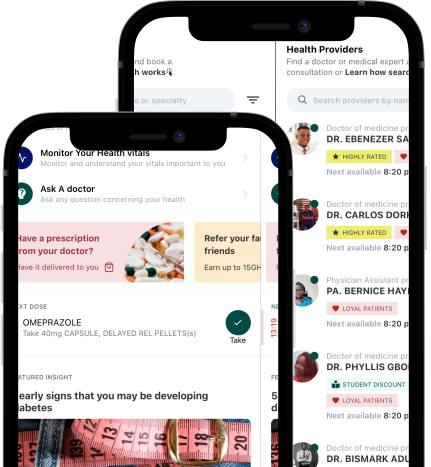
Find verified board-certified Acupuncture Therapists on DrDoGood. Compare reviews, check real-time availability, and schedule your appointment online.
All practitioners on DrDoGood are thoroughly vetted for credentials, licensing, and patient satisfaction histories.
Your doctor is only an appointment away.
Feeling unwell? Our friendly healthcare professionals are here to listen, advise, and care for you. Just open the app for quick, expert help. No stress, no fuss.