Who is a Blood Doctor?
A Blood Doctor — known medically as a Haematologist — is a specialist who diagnoses and treats conditions that affect the blood, bone marrow, and the organs that make blood cells. They help patients with problems like anaemia, sickle cell disease, bleeding disorders, and blood cancers. If you or your child have been told your blood results are not normal, or if you have a known blood condition, a Blood Doctor is the right specialist to see.
Duties and Responsibilities of a Blood Doctor
When to See a Blood Doctor
You should consider booking an consultation if you are experiencing any of the following symptoms or conditions:
- Persistent tiredness, weakness, or dizziness that does not improve with rest
- Pale skin, pale inner eyelids, or pale fingernails
- Diagnosed with sickle cell disease or a family history of sickle cell
- Unexplained or easy bruising and bleeding that takes a long time to stop
- Swollen lymph nodes (lumps) in the neck, armpit, or groin lasting more than two weeks
- Abnormal blood test results flagged by your doctor
- Frequent or severe infections without a clear cause
- Unexplained weight loss, night sweats, or persistent fever
- Blood clots in the legs or lungs (pain, swelling, or difficulty breathing)
- A child with delayed growth and repeated painful crises
Conditions & Visit Reasons
Select a specific condition to learn more or search for specialists offering directed therapy plans:
Types of Blood Doctor Specialists
Sickle Cell & Haemoglobin Disorders
Focuses on inherited conditions like sickle cell disease and thalassaemia, which are very common across West Africa.
Blood Cancers (Haematological Oncology)
Specialises in diagnosing and treating cancers of the blood and lymph system, including leukaemia, lymphoma, and myeloma.
Bleeding & Clotting Disorders
Manages conditions where the blood does not clot properly (such as haemophilia) or clots too easily (such as DVT).
Bone Marrow & Stem Cell Transplantation
Oversees the use of bone marrow or stem cell transplants to treat severe blood diseases and certain cancers.
Transfusion Medicine
Ensures safe and appropriate use of blood transfusions and manages complications related to blood products.
What to Expect at Your Appointment
At your first visit, the Blood Doctor will ask you about your symptoms, your family's health history, and any medications you are taking. They will examine you — checking for swollen glands, an enlarged spleen, or signs of anaemia — and will likely request blood tests or review any results you already have. The appointment is straightforward and nothing to worry about; the doctor's goal is simply to understand your blood health and find the best way to help you.
Training & Education Credentials
A Blood Doctor first completes a medical degree (MBChB or MBBS), followed by several years of postgraduate training in internal medicine and then a specialist fellowship in haematology. In Ghana and West Africa, specialists are typically certified by the West African College of Physicians (WACP) or the Ghana College of Physicians and Surgeons.
Frequently Asked Questions
How much does it cost to see a Blood Doctor in Ghana?
Consultation fees vary depending on whether you visit a government hospital, a teaching hospital, or a private clinic. At public hospitals, costs are generally lower and may be partly covered by the National Health Insurance Scheme (NHIS). It is a good idea to call ahead and ask about fees and whether your NHIS card is accepted.
What should I bring to my first appointment?
Bring any previous blood test results, hospital letters, or medical records you have. Also bring a list of all medicines and supplements you are currently taking, your NHIS card if you have one, and a trusted family member or friend if you would like support. The more information you bring, the easier it is for the doctor to help you.
Do I need a referral to see a Blood Doctor?
In most cases, yes — your general doctor or family doctor will refer you to a Blood Doctor after reviewing your symptoms or blood test results. However, some private clinics allow you to book directly without a referral. If you are unsure, call the clinic or hospital first to ask.
When should I go to the emergency room instead of waiting for an appointment?
Go to the emergency room immediately if you have a sickle cell crisis with severe pain, very high fever, difficulty breathing, sudden weakness on one side of the body, or heavy bleeding that will not stop. These are urgent situations that need care right away and should not wait for a scheduled appointment.
Can children with sickle cell disease see a Blood Doctor?
Yes, absolutely. Blood Doctors treat patients of all ages, including babies and children. In fact, early and regular care from a Blood Doctor is very important for children with sickle cell disease to help prevent complications and keep them healthy as they grow.
Book a Blood Doctor
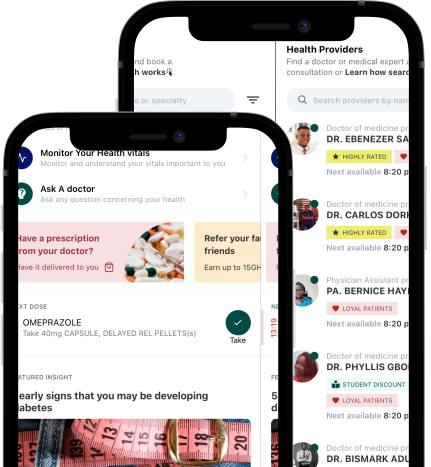
Find verified board-certified Blood Doctors on DrDoGood. Compare reviews, check real-time availability, and schedule your appointment online.
All practitioners on DrDoGood are thoroughly vetted for credentials, licensing, and patient satisfaction histories.
Your doctor is only an appointment away.
Feeling unwell? Our friendly healthcare professionals are here to listen, advise, and care for you. Just open the app for quick, expert help. No stress, no fuss.