Who is a Brain & Eye Doctor?
A Brain & Eye Doctor — known medically as a neuro-ophthalmologist — is a specialist who treats vision problems caused by conditions affecting the brain, nerves, or nervous system, such as optic nerve damage, double vision, or vision loss after a stroke. If your eyes appear healthy but you are still experiencing vision difficulties, this specialist can help find the underlying cause. They work closely with neurologists and other doctors to make sure you get the right care and support.
Duties and Responsibilities of a Brain & Eye Doctor
When to See a Brain & Eye Doctor
You should consider booking an consultation if you are experiencing any of the following symptoms or conditions:
- Sudden loss of vision in one or both eyes
- Double vision that does not go away
- Vision loss or changes following a stroke
- Unexplained headaches accompanied by changes in vision
- A drooping eyelid that has appeared without a clear cause
- Pupils of different sizes
- Flashing lights, blind spots, or missing areas in your vision
- Difficulty moving your eyes in certain directions
- Vision problems linked to a known neurological condition
- Blurred or dim vision with no obvious eye disease found
Conditions & Visit Reasons
Select a specific condition to learn more or search for specialists offering directed therapy plans:
Types of Brain & Eye Doctor Specialists
Optic Nerve Disorders
Diagnosis and treatment of conditions that damage the optic nerve, such as optic neuritis and glaucoma-related nerve injury, which can cause blurred or lost vision.
Eye Movement Disorders
Care for problems that affect how the eyes move together, including double vision (diplopia) and uncontrolled eye movements (nystagmus) caused by brain or nerve conditions.
Visual Field Problems
Assessment and management of partial or complete loss of side (peripheral) or central vision, often linked to strokes, tumours, or other neurological conditions.
Headache-Related Vision Issues
Evaluation of vision disturbances associated with migraines and other headache disorders, including temporary blind spots, flashing lights, and blurred sight.
Papilloedema & Raised Intracranial Pressure
Detection and monitoring of swelling of the optic disc caused by increased pressure inside the skull, which can threaten sight if left untreated.
Stroke-Related Vision Loss
Rehabilitation and management of vision problems that occur after a stroke, such as loss of half the visual field (hemianopia) or difficulty recognising objects and faces.
What to Expect at Your Appointment
At your first visit, the Brain & Eye Doctor will take time to ask about your symptoms, how long you have had them, and your general medical history — so it helps to bring any previous test results or referral letters. They will then carry out a thorough examination of your eyes, vision, pupil reactions, eye movements, and reflexes to understand what may be happening. Depending on what they find, they may arrange further tests such as a brain scan, blood tests, or a visual field assessment — all of which are straightforward and nothing to worry about.
Training & Education Credentials
A Brain & Eye Doctor first completes medical school and then undertakes specialist training in either ophthalmology (eye care) or neurology (brain and nerve conditions), before going on to complete additional fellowship training specifically in neuro-ophthalmology. This means they are highly qualified to understand both the eye and the nervous system, and are recognised by their medical board as experts in this combined field.
Frequently Asked Questions
What conditions does a Brain & Eye Doctor (neuro-ophthalmologist) treat?
A neuro-ophthalmologist treats visual problems that are caused by conditions in the brain or nervous system. These include optic nerve damage, double vision, vision loss from strokes, and conditions like multiple sclerosis or brain tumours that affect eyesight. They also manage unexplained vision loss, drooping eyelids, and abnormal eye movements linked to neurological disease.
How much does a visit to a Brain & Eye Doctor cost, and does health insurance cover it?
Consultation fees for a neuro-ophthalmologist in Ghana typically range from GH₵ 200 to GH₵ 600 or more, depending on the hospital and whether additional tests are needed. Many private health insurance schemes in Ghana, including the National Health Insurance Scheme (NHIS), may cover specialist consultations, but coverage varies by plan. It is advisable to contact your insurer or the hospital's billing department before your appointment to confirm what is covered.
What should I bring to my appointment with a Brain & Eye Doctor?
Bring any previous medical records, eye test results, brain scans (MRI or CT), or reports from other doctors who have treated you. Also carry a list of all medications you are currently taking, including dosages. Your National Health Insurance card, a valid ID, and any referral letter from your general practitioner or optometrist will also be needed.
How should I prepare for my visit to a neuro-ophthalmologist?
Before your appointment, write down all the symptoms you have been experiencing, including when they started and whether they come and go. Note any recent illnesses, head injuries, or changes in your general health. If you wear glasses or contact lenses, bring them along, and arrange for someone to accompany you in case your eyes are dilated during the examination, as this can temporarily blur your vision.
When should I seek urgent or emergency care for vision problems?
Go to the nearest emergency unit immediately if you experience sudden loss of vision in one or both eyes, double vision that comes on without warning, or vision loss accompanied by a severe headache, weakness, or difficulty speaking — these can be signs of a stroke. Sudden eye pain with nausea and vomiting, or seeing flashing lights and a curtain-like shadow across your vision, also require emergency attention. Do not wait for a scheduled appointment in these situations.
Book a Brain & Eye Doctor
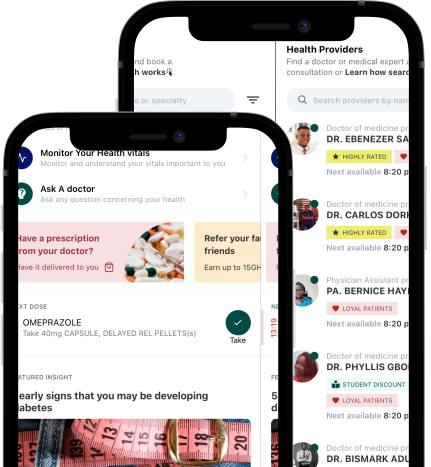
Find verified board-certified Brain & Eye Doctors on DrDoGood. Compare reviews, check real-time availability, and schedule your appointment online.
All practitioners on DrDoGood are thoroughly vetted for credentials, licensing, and patient satisfaction histories.
Your doctor is only an appointment away.
Feeling unwell? Our friendly healthcare professionals are here to listen, advise, and care for you. Just open the app for quick, expert help. No stress, no fuss.