Who is a Brain Surgeon?
A brain surgeon — also called a neurosurgeon — is a doctor who performs operations on the brain, spine, and nerves. They treat conditions such as head injuries, brain tumours, bleeding in the brain, and problems with the spinal cord. If you or a family member has been told you need brain or spine surgery, or if you have a serious neurological condition, a neurosurgeon is the specialist to see.
Duties and Responsibilities of a Brain Surgeon
When to See a Brain Surgeon
You should consider booking an consultation if you are experiencing any of the following symptoms or conditions:
- Severe or sudden headache that is the worst of your life
- Head injury after a road accident, fall, or assault
- Weakness, numbness, or paralysis in the arms or legs
- Difficulty speaking, understanding speech, or sudden confusion
- A doctor has found a tumour or abnormal growth in the brain or spine
- Neck or back pain that shoots down the arms or legs and does not improve
- Seizures (fits) that are new or getting worse
- Loss of bladder or bowel control linked to back problems
- Blurred or double vision with headache or dizziness
- Diagnosis of hydrocephalus (water on the brain) or a brain aneurysm
Conditions & Visit Reasons
Select a specific condition to learn more or search for specialists offering directed therapy plans:
Types of Brain Surgeon Specialists
Neuro-oncology Surgery
Focuses on removing or treating tumours found in the brain and spinal cord.
Spine Surgery
Specialises in operations on the backbone to relieve pain, correct deformities, or repair injuries.
Vascular Neurosurgery
Treats blood vessel problems in the brain, such as aneurysms (bulging blood vessels) and strokes caused by bleeding.
Paediatric Neurosurgery
Performs brain and spine operations specifically on babies, children, and teenagers.
Functional Neurosurgery
Uses surgery to manage conditions like epilepsy, Parkinson's disease, and chronic pain that cannot be controlled with medicines alone.
Trauma Neurosurgery
Handles emergency brain and spine surgery following accidents, falls, or serious head injuries.
What to Expect at Your Appointment
At your first visit, the neurosurgeon will ask you about your symptoms, how long you have had them, and any previous illnesses or injuries. They will carry out a careful examination of your nervous system — checking your strength, reflexes, balance, and vision — and will review any scans or test results you bring along. You do not need to be afraid; the appointment is mainly about understanding your condition and deciding together on the best next steps, which may or may not involve surgery.
Training & Education Credentials
A neurosurgeon completes medical school followed by a neurosurgery residency of at least six to seven years, gaining hands-on training in brain and spine operations. In Ghana and across West Africa, neurosurgeons are certified by the West African College of Surgeons (WACS) or the Ghana College of Physicians and Surgeons after passing rigorous examinations.
Frequently Asked Questions
How much does it cost to see a brain surgeon in Ghana?
The cost of a neurosurgery consultation in Ghana varies depending on whether you visit a government hospital, a teaching hospital, or a private clinic. Government and teaching hospitals such as Korle Bu or Komfo Anokye are generally more affordable and may accept the National Health Insurance Scheme (NHIS). It is best to call ahead and ask about fees and what your insurance covers before your appointment.
What should I bring to my first appointment with a brain surgeon?
Bring any brain or spine scans (CT scans, MRI films, or X-rays), your referral letter from your doctor, a list of all medicines you are currently taking, and your NHIS card or insurance documents. If you have had previous hospital admissions or surgeries, bring those records too. Having this information ready helps the neurosurgeon understand your situation quickly.
Does seeing a brain surgeon mean I will definitely need an operation?
Not at all. Many patients who see a neurosurgeon are managed with medicines, physiotherapy, or close monitoring rather than surgery. The neurosurgeon will only recommend an operation if it is truly necessary and if the benefits outweigh the risks for your specific condition. They will explain all your options clearly before any decision is made.
When should I go to the emergency room instead of booking an appointment?
Go to the nearest emergency room immediately if you or someone else has a sudden, extremely severe headache, loses consciousness, has a seizure, develops sudden weakness or paralysis on one side of the body, or has a serious head injury. These are warning signs of a life-threatening brain emergency that cannot wait for a scheduled appointment.
How do I prepare for brain or spine surgery?
Your neurosurgeon and their team will give you specific instructions before your operation, but generally you will need to fast (avoid food and water) for several hours beforehand, stop certain medicines if advised, and arrange for a trusted family member to be with you. Make sure you ask your doctor any questions you have — no question is too small — so that you feel informed and confident going into surgery.
Book a Brain Surgeon
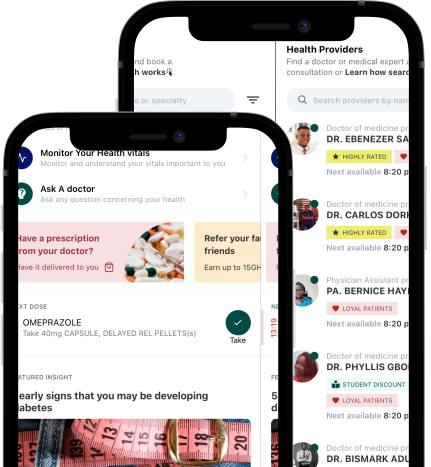
Find verified board-certified Brain Surgeons on DrDoGood. Compare reviews, check real-time availability, and schedule your appointment online.
All practitioners on DrDoGood are thoroughly vetted for credentials, licensing, and patient satisfaction histories.
Your doctor is only an appointment away.
Feeling unwell? Our friendly healthcare professionals are here to listen, advise, and care for you. Just open the app for quick, expert help. No stress, no fuss.