Who is a Children's Anaesthetist?
A Children's Anaesthetist is a doctor who gives children safe sleep medicine (anaesthesia) so they do not feel pain during operations or medical procedures. They watch over your child's breathing, heart rate, and comfort throughout the procedure and make sure they wake up safely. If your child needs surgery or a procedure that requires them to be asleep or pain-free, a Children's Anaesthetist will be part of the care team.
Duties and Responsibilities of a Children's Anaesthetist
When to See a Children's Anaesthetist
You should consider booking an consultation if you are experiencing any of the following symptoms or conditions:
- Your child is scheduled for any surgery or operation
- Your child needs a procedure that requires them to be asleep or sedated, such as a scan or dental work
- Your child has a heart, lung, or kidney condition and needs surgery
- Your child is a newborn or premature baby requiring an operation
- Your child has severe pain after surgery that is not controlled by regular medicines
- Your child has a known allergy or bad reaction to anaesthesia in the past
- Your child has sickle cell disease and needs surgery
- Your child needs a bone marrow test or other painful procedure
- Your child is very anxious or fearful about an upcoming procedure
- Your child has breathing problems such as asthma and needs an operation
Types of Children's Anaesthetist Specialists
Neonatal Anaesthesia
Specialised anaesthesia care for newborn babies, including premature infants, who need surgery in the first weeks of life.
Paediatric Cardiac Anaesthesia
Anaesthesia for children undergoing heart surgery or procedures to correct heart problems.
Paediatric Pain Management
Ongoing care to control and reduce pain in children after surgery, injury, or with long-term conditions.
Paediatric Regional Anaesthesia
Using nerve blocks and local anaesthesia techniques to numb specific parts of a child's body instead of putting them fully to sleep.
Paediatric Critical Care Anaesthesia
Anaesthesia and sedation support for seriously ill children in the intensive care unit.
What to Expect at Your Appointment
Before the procedure, the Children's Anaesthetist will meet with you and your child to ask about their health history, any medicines they take, allergies, and whether they have had anaesthesia before. They will explain exactly what will happen, answer your questions, and help your child feel calm and less afraid. On the day of the procedure, they will stay with your child the entire time, watching over them closely until they are safely awake and comfortable.
Training & Education Credentials
A Children's Anaesthetist first completes a medical degree followed by several years of specialist training in anaesthesia, with additional focused training in paediatric (children's) anaesthesia. They must be registered with the relevant medical council in their country, such as the Medical and Dental Council of Ghana, and many hold fellowship qualifications from recognised anaesthesia colleges.
Frequently Asked Questions
Is anaesthesia safe for my child?
Yes, modern anaesthesia is very safe for children when given by a trained Children's Anaesthetist. The doctor will check your child's health carefully before the procedure and choose the safest medicines and doses for their age and weight. Serious problems are rare, and the team is always prepared to handle any issues quickly.
How much does a Children's Anaesthetist cost in Ghana?
The cost depends on the hospital, the type of procedure, and how long the anaesthesia is needed. At public hospitals under the National Health Insurance Scheme (NHIS), some costs may be covered. It is best to ask the hospital's billing department before the procedure so you are not surprised by the bill.
What should my child eat or drink before going to sleep for an operation?
Your child must not eat or drink anything for a number of hours before the procedure — the anaesthetist or nurse will tell you the exact time to stop. This is very important because having food or liquid in the stomach during anaesthesia can be dangerous. Follow these instructions carefully, even if your child is hungry or thirsty.
What should I bring to my child's anaesthesia appointment?
Bring your child's health records, any medicines they currently take, their NHIS card, and a list of any known allergies. If your child has had anaesthesia before and had a reaction, let the doctor know right away. It also helps to bring a favourite toy or comfort item to keep your child calm.
When should I seek urgent help after my child's procedure?
Go to the hospital immediately if your child has difficulty breathing, a high fever, unusual swelling, severe pain that medicines are not helping, or if they are very difficult to wake up after coming home. These signs are not common but need to be checked by a doctor right away. Do not wait — it is always better to be safe.
Book a Children's Anaesthetist
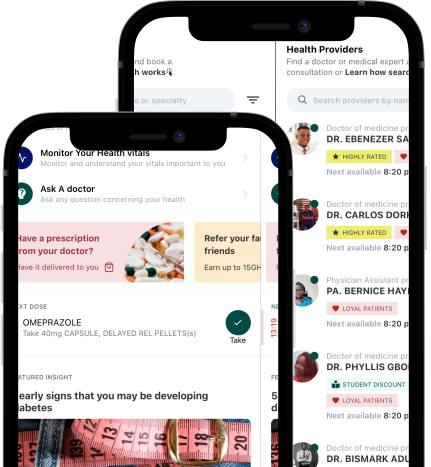
Find verified board-certified Children's Anaesthetists on DrDoGood. Compare reviews, check real-time availability, and schedule your appointment online.
All practitioners on DrDoGood are thoroughly vetted for credentials, licensing, and patient satisfaction histories.
Your doctor is only an appointment away.
Feeling unwell? Our friendly healthcare professionals are here to listen, advise, and care for you. Just open the app for quick, expert help. No stress, no fuss.