Who is a Children's Doctor?
A Children's Doctor, also called a Paediatrician, is a medical specialist who looks after the health of babies, children, and teenagers from birth up to 18 years of age. They are trained to diagnose, treat, and prevent illnesses that affect young people at every stage of growing up. If your child is sick, not growing well, or you have concerns about their development, a Children's Doctor is the right specialist to see.
Duties and Responsibilities of a Children's Doctor
When to See a Children's Doctor
You should consider booking an consultation if you are experiencing any of the following symptoms or conditions:
- Your child has a high fever that does not come down after two days
- Your baby is not feeding well or is losing weight
- Your child has repeated episodes of malaria or other infections
- You are worried your child is not reaching milestones like walking or talking at the right age
- Your child has difficulty breathing, wheezing, or a persistent cough
- Your child has been diagnosed with sickle cell disease and needs ongoing care
- Your child has frequent stomach pain, diarrhoea, or vomiting
- Your child has a rash, swollen joints, or unexplained body swelling
- Your child has had a seizure or convulsion
- You need vaccinations or a routine health check for your child
Conditions & Visit Reasons
Select a specific condition to learn more or search for specialists offering directed therapy plans:
Types of Children's Doctor Specialists
Neonatology
Specialises in the care of newborn babies, especially those who are premature or born with health complications.
Paediatric Cardiology
Focuses on diagnosing and treating heart conditions in children, including heart defects present from birth.
Paediatric Neurology
Deals with brain and nervous system conditions in children, such as epilepsy, cerebral palsy, and developmental delays.
Paediatric Infectious Disease
Manages serious or complex infections in children, including HIV, tuberculosis, and meningitis.
Paediatric Haematology
Treats blood disorders in children, with a particular focus on sickle cell disease, which is common in West Africa.
Paediatric Gastroenterology
Cares for children with digestive problems, including persistent diarrhoea, vomiting, and liver conditions.
Developmental Paediatrics
Assesses and supports children with developmental challenges such as autism, ADHD, and learning difficulties.
What to Expect at Your Appointment
At your first visit, the Children's Doctor will ask you about your child's health history, any symptoms you have noticed, feeding habits, and whether vaccinations are up to date. They will then examine your child from head to toe — checking weight, height, temperature, and looking at areas like the throat, ears, and tummy. The doctor will explain their findings in simple terms and let you know if any tests, medicines, or follow-up visits are needed — so there is no need to worry, they are there to help your child feel better.
Training & Education Credentials
A Children's Doctor completes a medical degree followed by a specialised residency training programme in paediatrics, which typically takes three to five years. In Ghana and West Africa, they are certified by bodies such as the Ghana College of Physicians and Surgeons or the West African College of Physicians.
Frequently Asked Questions
How much does it cost to see a Children's Doctor in Ghana?
The cost of seeing a Children's Doctor varies depending on whether you visit a government hospital, a private clinic, or a specialist centre. At government facilities, fees are generally lower and may be covered partly by the National Health Insurance Scheme (NHIS). It is a good idea to bring your NHIS card and ask about fees before your appointment.
What should I bring to my child's first appointment?
Bring your child's health record or immunisation card if you have one, as well as any previous test results or prescriptions. It also helps to write down the symptoms you have noticed, when they started, and any medicines your child is already taking. Your NHIS card and a valid ID are also useful to have with you.
How do I prepare my child for a visit to the doctor?
Talk to your child calmly before the visit and let them know the doctor is there to help them feel well. Bring a favourite toy or snack to keep them comfortable, especially for young children. Try to stay relaxed yourself, as children often take their cues from their parents.
When should I take my child to the emergency room instead of waiting for an appointment?
Take your child to the emergency room immediately if they have difficulty breathing, a very high fever with convulsions, are unconscious or very difficult to wake up, or are severely dehydrated with no urine output. Also seek urgent care if your child has a stiff neck, a rash that spreads quickly, or has swallowed something harmful. Do not wait for a scheduled appointment in these situations.
Can a Children's Doctor help with my child's sickle cell disease?
Yes, Children's Doctors in Ghana and West Africa are very experienced in managing sickle cell disease, which is common in the region. They can help with regular check-ups, pain management, preventing infections, and advising on when your child needs hospital care. For complex cases, they may refer you to a paediatric haematologist who specialises in blood disorders.
Book a Children's Doctor
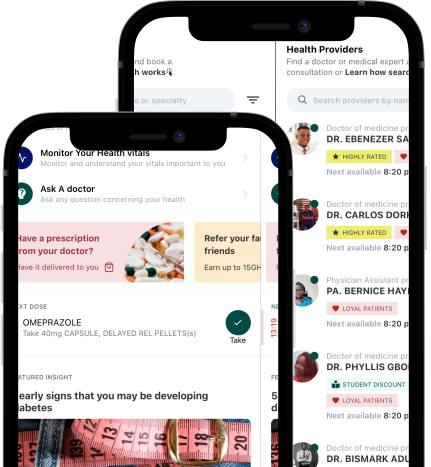
Find verified board-certified Children's Doctors on DrDoGood. Compare reviews, check real-time availability, and schedule your appointment online.
All practitioners on DrDoGood are thoroughly vetted for credentials, licensing, and patient satisfaction histories.
Available Children's Doctors
Schedule visits with these verified medical providers:
Dr. Maame Tekyiwa Botchway
Children's Doctor
A South African trained pediatric surgeon Masters of Public Health Degree from the University of Liverpool.
Your doctor is only an appointment away.
Feeling unwell? Our friendly healthcare professionals are here to listen, advise, and care for you. Just open the app for quick, expert help. No stress, no fuss.