Who is a Heart Doctor?
A Heart Doctor, also called a Cardiologist, is a specialist who takes care of your heart and blood vessels. They help people who have chest pain, high blood pressure, irregular heartbeat, or other heart-related problems. If your doctor thinks something may be wrong with your heart, or if you have a family history of heart disease, a Heart Doctor is the right specialist to see.
Duties and Responsibilities of a Heart Doctor
When to See a Heart Doctor
You should consider booking an consultation if you are experiencing any of the following symptoms or conditions:
- Chest pain, tightness, or pressure that comes and goes or does not go away
- Shortness of breath when walking, climbing stairs, or lying flat
- Feeling your heart beating fast, fluttering, or skipping beats
- Swelling in your legs, ankles, or feet that does not improve
- Dizziness, fainting, or feeling like you are about to pass out
- High blood pressure that is difficult to control with medication
- A family history of heart disease, heart attack, or sudden death at a young age
- Diabetes or high cholesterol and you have never had a heart check-up
- Recovering from a heart attack or stroke and needing follow-up care
- Your doctor found an abnormal result on your ECG or chest X-ray
Conditions & Visit Reasons
Select a specific condition to learn more or search for specialists offering directed therapy plans:
Conditions Treated
Common conditions that a Heart Doctor can diagnose, manage, or treat:
Erectile dysfunction (ED)
Also known as: Impotence, Difficulty getting or maintaining an erection, Erectile issues, Male sexual dysfunction, Erection problems
Types of Heart Doctor Specialists
Interventional Cardiology
Specialists who perform procedures such as angioplasty and stenting to open blocked heart arteries without open surgery.
Electrophysiology
Specialists who diagnose and treat irregular heart rhythms (arrhythmias), including fitting pacemakers and defibrillators.
Heart Failure & Transplant Cardiology
Specialists who manage patients with severe heart failure and coordinate heart transplant care when needed.
Preventive Cardiology
Specialists focused on reducing the risk of heart disease through lifestyle changes, cholesterol management, and early screening.
Paediatric Cardiology
Specialists who diagnose and treat heart conditions in babies, children, and teenagers, including heart defects present from birth.
Echocardiography
Specialists trained to perform and interpret detailed ultrasound scans of the heart to assess its structure and function.
What to Expect at Your Appointment
At your first visit, the Heart Doctor will ask you about your symptoms, your medical history, and any medicines you are already taking. They will check your blood pressure, listen to your heart and lungs, and may order tests such as an ECG, blood tests, or a heart scan. The appointment is straightforward and nothing to worry about — the doctor's goal is simply to understand your heart health and find the best way to help you.
Training & Education Credentials
A Heart Doctor completes medical school followed by several years of specialist training in internal medicine and then cardiology, which typically takes eight to ten years in total. In Ghana and West Africa, cardiologists are certified by the West African College of Physicians (WACP) or the Ghana College of Physicians and Surgeons after passing rigorous examinations.
Frequently Asked Questions
How much does it cost to see a Heart Doctor in Ghana?
The cost of seeing a cardiologist in Ghana varies depending on whether you visit a government hospital, a private clinic, or a specialist centre. At government hospitals, fees are generally lower and may be partly covered by the National Health Insurance Scheme (NHIS). Private specialist consultations can range from GHS 300 to GHS 1,000 or more, so it is a good idea to call ahead and ask about fees before your appointment.
What should I bring to my first appointment with a Heart Doctor?
Bring any previous medical reports, ECG results, blood test results, or hospital discharge letters you have. Also bring a list of all the medicines and supplements you are currently taking, including the doses. If you have a blood pressure monitor at home, bring a record of your recent readings — this helps the doctor get a clearer picture of your heart health.
How do I prepare for a heart scan or ECG?
An ECG (heart tracing) requires no special preparation — you simply lie still for a few minutes while small stickers are placed on your chest, arms, and legs. For a heart ultrasound (echocardiogram), you can eat and drink normally beforehand. Your doctor will give you specific instructions if any other type of test requires fasting or other preparation.
When should I go to the emergency room instead of waiting for a cardiology appointment?
Go to the nearest emergency room immediately if you have severe chest pain or pressure, especially if it spreads to your arm, jaw, or back. Also seek emergency care if you suddenly feel very short of breath, faint, or your heart is beating very fast and you feel unwell. These can be signs of a heart attack or a dangerous heart rhythm problem that needs urgent treatment — do not wait.
Can I manage my heart condition with lifestyle changes alone, or will I need medication?
For some people, especially those with early or mild heart problems, lifestyle changes such as eating less salt, exercising regularly, losing weight, and stopping smoking can make a big difference. However, many heart conditions also need medication to keep them under control and prevent complications. Your Heart Doctor will work with you to find the right combination of lifestyle changes and treatment that suits your situation.
Book a Heart Doctor
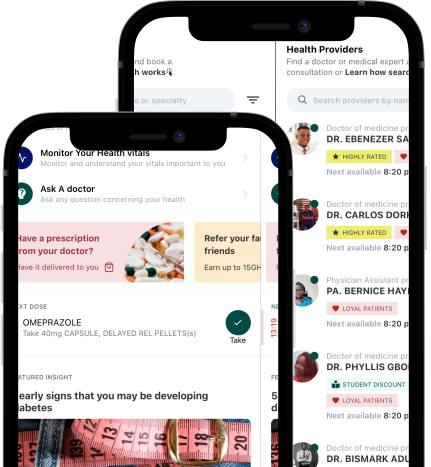
Find verified board-certified Heart Doctors on DrDoGood. Compare reviews, check real-time availability, and schedule your appointment online.
All practitioners on DrDoGood are thoroughly vetted for credentials, licensing, and patient satisfaction histories.
Your doctor is only an appointment away.
Feeling unwell? Our friendly healthcare professionals are here to listen, advise, and care for you. Just open the app for quick, expert help. No stress, no fuss.