Who is a Midwife?
A midwife is a trained health professional who cares for women during pregnancy, labour, childbirth, and the weeks after delivery. Midwives support mothers and newborns to ensure both are safe and healthy throughout the entire journey of having a baby. Any woman who is pregnant, planning to become pregnant, or who has recently given birth should consider seeing a midwife.
Duties and Responsibilities of a Midwife
When to See a Midwife
You should consider booking an consultation if you are experiencing any of the following symptoms or conditions:
- You have just found out you are pregnant and need your first antenatal check-up
- You have missed your period and want to confirm a pregnancy
- You are experiencing bleeding, pain, or unusual discharge during pregnancy
- Your baby is moving less than usual or you have not felt movement in a while
- You have swelling in your face, hands, or feet during pregnancy
- You have a severe headache or blurred vision while pregnant
- You are approaching your due date and want to prepare for labour
- You have recently given birth and need help with breastfeeding or wound care
- You are feeling very sad, anxious, or overwhelmed after having your baby
- You want advice on family planning or birth spacing after delivery
Types of Midwife Specialists
Community Midwifery
Midwives who provide care in homes, clinics, and community health centres, often serving rural and underserved areas.
Hospital-Based Midwifery
Midwives who work in hospitals and maternity wards, supporting deliveries and managing higher-risk pregnancies alongside doctors.
High-Risk Obstetric Midwifery
Specialist midwives trained to care for mothers with complicated pregnancies such as twins, diabetes in pregnancy, or high blood pressure.
Neonatal Midwifery
Midwives with extra training in caring for newborn babies, especially those born early or with health challenges.
Postnatal Midwifery
Midwives who focus on the care of mothers and babies in the weeks following birth, including breastfeeding support and recovery.
What to Expect at Your Appointment
At your first visit, the midwife will ask about your last menstrual period, your general health, and any previous pregnancies. They will check your blood pressure, weight, and urine, and may arrange blood tests or an ultrasound scan to confirm how far along you are. The appointment is a safe and welcoming space — the midwife is there to answer your questions and make sure both you and your baby are doing well.
Training & Education Credentials
Midwives in Ghana and West Africa complete a recognised midwifery training programme, typically lasting three to four years, at an accredited nursing and midwifery college. After training, they must register with the Nursing and Midwifery Council (NMC) of their country before they are licensed to practise.
Frequently Asked Questions
How much does it cost to see a midwife in Ghana?
The cost of midwifery care varies depending on whether you visit a government health centre, a private clinic, or a hospital. At public health facilities, antenatal care is often free or heavily subsidised under the National Health Insurance Scheme (NHIS). Private midwifery services may charge a fee per visit, so it is worth asking about costs when you book your appointment.
What should I bring to my first antenatal appointment?
Bring your National Health Insurance card, a valid ID, and any previous medical records or test results you have. If you have had a pregnancy before, bring your old antenatal card if you still have it. It also helps to write down any questions or concerns you want to discuss so you do not forget them during the visit.
How do I prepare for labour and delivery with a midwife?
Your midwife will guide you through what to expect as your due date approaches, including signs that labour has started. It is helpful to prepare a delivery bag with clean clothes, sanitary pads, baby clothes, and your health documents. Attend all your antenatal visits so your midwife can monitor you closely and spot any concerns early.
When should I go to the hospital or clinic urgently during pregnancy?
Go to a health facility immediately if you have heavy vaginal bleeding, severe stomach pain, a very bad headache, blurred vision, or if your baby has stopped moving. Swelling of the face and hands, difficulty breathing, or a high fever are also warning signs that need urgent attention. Do not wait — these symptoms can be serious for both you and your baby.
Can a midwife handle my delivery if I have a complicated pregnancy?
Midwives are trained to manage normal deliveries and to recognise when a complication needs a doctor's help. If your pregnancy is high-risk — for example, if you have twins, diabetes, or high blood pressure — your midwife will work closely with a doctor or refer you to a specialist. You will still receive midwifery support throughout your care.
Book a Midwife
Find verified board-certified Midwifes on DrDoGood. Compare reviews, check real-time availability, and schedule your appointment online.
All practitioners on DrDoGood are thoroughly vetted for credentials, licensing, and patient satisfaction histories.
Available Midwifes
Schedule visits with these verified medical providers:
Dr. Faustina Boamah
Midwife
Faustina Boamah is a Registered Senior Midwife with Five years of clinical experience and dedicated Women's Health Advocate in Ghana. She focuses on improving Maternal and Child healthcare, Sexual and reproductive health,raising public health awareness, and empowering communities. As an SDG3 advocate, Faustina has served as a Subject Matter Mentor for Teens in AI during the IWD Global Techathon 2024, trained numerous women on Menstrual Health and hygiene practices, and received the LIMA Outstanding Female Humanitarian Award. She has also been featured as a guest health speaker on prominent TV and radio platforms in Ghana, including Joy News , GHONE TV, 3FM, STARR FM, and MX24 TV. Now, she is actively seeking new avenues to expand her impact and contribute to transformative initiatives in public health, social work, and community development projects
Dr. Nin Mialo
Midwife
I'm good
Dr. Esther Oduro
Midwife
Midwife by profession, educator at heart. Passionate about empowering adolescent girls through mentorship and career guidance. Avid reader, and dedicated speaker inspiring positive change.
Dr. Ruth Atta
Midwife
An experienced midwife who renders compassionate care to patients
Dr. LAURA LARBI OYE
Midwife
Love to educate and learn more
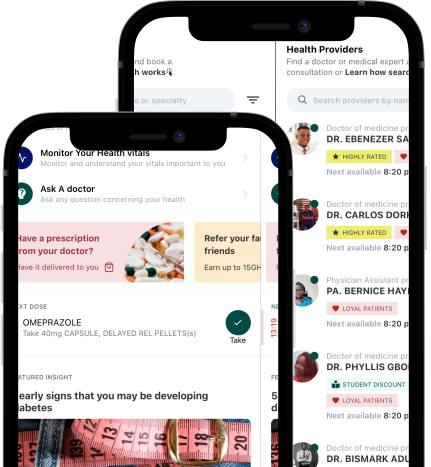
Your doctor is only an appointment away.
Feeling unwell? Our friendly healthcare professionals are here to listen, advise, and care for you. Just open the app for quick, expert help. No stress, no fuss.