Who is a Rehabilitation Doctor?
A Rehabilitation Doctor — also called a physiatrist or rehab physician — is a specialist who helps people recover their strength, movement, and independence after illness, injury, or surgery. They focus on improving your quality of life when pain, disability, or a long-term condition is affecting how you move or function. If you or a loved one is struggling to walk, use your hands, or carry out daily activities after a stroke, accident, or serious illness, a Rehabilitation Doctor can create a recovery plan tailored to your needs.
Duties and Responsibilities of a Rehabilitation Doctor
When to See a Rehabilitation Doctor
You should consider booking an consultation if you are experiencing any of the following symptoms or conditions:
- Difficulty walking or moving after a stroke or brain injury
- Weakness or loss of feeling in the arms or legs
- Recovering from a serious accident, fracture, or orthopaedic surgery
- Persistent back or neck pain that is not improving with rest
- Living with a disability that limits your ability to work or care for yourself
- A child who is not reaching movement or developmental milestones
- Recovering after amputation and needing help with a prosthetic limb
- Long-term pain from nerve damage, arthritis, or a sports injury
- Needing help regaining speech, swallowing, or hand function after illness
- Fatigue and weakness following a serious illness such as COVID-19 or cancer treatment
Conditions & Visit Reasons
Select a specific condition to learn more or search for specialists offering directed therapy plans:
Types of Rehabilitation Doctor Specialists
Neurological Rehabilitation
Focuses on helping patients recover function after stroke, brain injury, spinal cord injury, or conditions like multiple sclerosis.
Musculoskeletal Rehabilitation
Deals with recovery from bone, joint, and muscle injuries, including fractures, sports injuries, and post-surgical rehabilitation.
Cardiac Rehabilitation
Supports patients in regaining strength and fitness safely after a heart attack, heart surgery, or heart failure.
Paediatric Rehabilitation
Specialises in helping children with disabilities such as cerebral palsy, developmental delays, or injuries to reach their full potential.
Pain Management
Focuses on diagnosing and treating long-term pain conditions using physical therapies, medications, and nerve block procedures.
Amputee Rehabilitation
Helps patients who have had a limb removed to adapt, use prosthetic limbs, and regain independence in daily life.
What to Expect at Your Appointment
At your first visit, the Rehabilitation Doctor will ask you about your medical history, how your condition started, and how it is affecting your daily life. They will carry out a physical examination to check your strength, balance, coordination, and range of movement. Based on their findings, they will explain your options and may refer you to a physiotherapist, occupational therapist, or other specialist as part of a team approach to your recovery — you will not be alone in this process.
Training & Education Credentials
A Rehabilitation Doctor completes a medical degree followed by postgraduate specialist training in physical medicine and rehabilitation, typically lasting four to six years. In Ghana and West Africa, specialists may hold certification from the West African College of Physicians (WACP) or equivalent national medical boards.
Frequently Asked Questions
How much does it cost to see a Rehabilitation Doctor in Ghana?
Costs vary depending on whether you visit a government hospital, a private clinic, or a specialist rehabilitation centre. At public hospitals, fees are generally lower and may be partly covered by the National Health Insurance Scheme (NHIS). It is a good idea to call ahead and ask about consultation fees and whether your NHIS card is accepted.
What should I bring to my first appointment?
Bring any previous medical reports, X-rays, scans, or test results related to your condition. Also bring a list of any medicines you are currently taking and your NHIS card if you have one. If you use a walking aid, wheelchair, or brace, bring it along so the doctor can assess how well it is working for you.
How do I prepare for my rehabilitation appointment?
Think about when your problem started, what makes it better or worse, and how it is affecting your daily activities such as walking, working, or sleeping. Write down your questions beforehand so you do not forget them during the visit. Wear comfortable, loose clothing that allows the doctor to examine your arms, legs, or back easily.
When should I seek urgent care instead of booking an appointment?
Go to the nearest emergency unit immediately if you suddenly cannot move your arms or legs, lose control of your bladder or bowels, or experience sudden severe weakness after a fall or accident. Also seek urgent help if someone has had a stroke — the sooner treatment begins, the better the chances of recovery. Do not wait for a scheduled appointment in these situations.
Do I need a referral to see a Rehabilitation Doctor?
In most public hospitals in Ghana, you will need a referral from a general doctor or another specialist to see a Rehabilitation Doctor. At private clinics, you may be able to book directly without a referral. If you are unsure, call the hospital or clinic first to find out their process.
Book a Rehabilitation Doctor
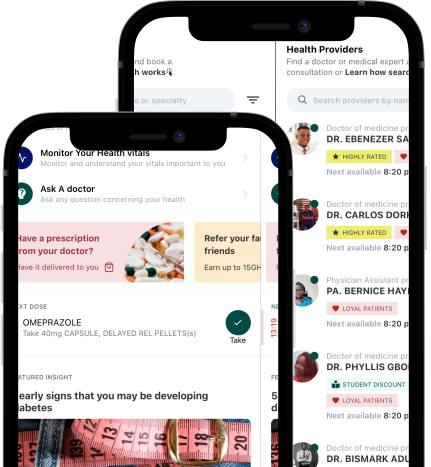
Find verified board-certified Rehabilitation Doctors on DrDoGood. Compare reviews, check real-time availability, and schedule your appointment online.
All practitioners on DrDoGood are thoroughly vetted for credentials, licensing, and patient satisfaction histories.
Your doctor is only an appointment away.
Feeling unwell? Our friendly healthcare professionals are here to listen, advise, and care for you. Just open the app for quick, expert help. No stress, no fuss.