Who is a Root Canal Specialist?
A Root Canal Specialist — also called an Endodontist — is a dental doctor who focuses on saving teeth that are badly infected or damaged on the inside. They treat the soft tissue (called the pulp) inside your tooth when it becomes infected or inflamed due to deep decay, a crack, or injury. If you have severe tooth pain, sensitivity to hot or cold, or a swollen jaw, this is the specialist you should see.
Duties and Responsibilities of a Root Canal Specialist
When to See a Root Canal Specialist
You should consider booking an consultation if you are experiencing any of the following symptoms or conditions:
- Severe, throbbing toothache that does not go away
- Sharp pain when biting or chewing food
- Prolonged sensitivity to hot or cold drinks and food
- Swelling or tenderness in the gum near a tooth
- A pimple-like bump on the gum that keeps coming back
- Darkening or discolouration of a tooth
- Swelling of the jaw or face
- A tooth that was injured or knocked in an accident
- A cracked or chipped tooth causing pain
- Your dentist has told you that you need a root canal
Types of Root Canal Specialist Specialists
Surgical Endodontics
Involves minor surgical procedures on the root tip of a tooth when standard root canal treatment is not enough to clear an infection.
Endodontic Retreatment
Focuses on re-treating teeth that have had a previous root canal but have become re-infected or have not healed properly.
Traumatic Dental Injuries
Specialises in treating teeth that have been cracked, broken, or knocked out due to accidents or injuries.
Paediatric Endodontics
Deals with root canal and pulp treatments in children's teeth, including both baby teeth and permanent teeth that are still developing.
What to Expect at Your Appointment
At your first visit, the Root Canal Specialist will ask about your pain, how long you have had it, and your dental history. They will examine your tooth, tap on it gently, and take an X-ray to see the inside of the tooth and the surrounding bone. The procedure itself is done under local anaesthesia so you will be numb and comfortable — most patients are surprised by how painless it is.
Training & Education Credentials
A Root Canal Specialist first completes a dental degree (BDS or equivalent), then undergoes an additional 2–3 years of specialist training in Endodontics at a recognised university or postgraduate institution. In Ghana and many West African countries, they may also hold a fellowship or postgraduate qualification from a recognised dental or medical college.
Frequently Asked Questions
Is a root canal treatment painful?
Most people are surprised to find that a root canal is not as painful as they expect. The specialist will numb the area completely before starting, so you should feel little to no pain during the procedure. Any mild soreness afterwards can usually be managed with common pain relievers.
How much does a root canal cost in Ghana?
The cost of a root canal in Ghana can vary depending on the clinic, the tooth being treated, and whether a crown is needed afterwards. It is best to call the clinic ahead of your visit to ask about fees. Some health insurance plans in Ghana may cover part of the cost, so check with your provider.
What should I bring to my first appointment?
Bring any previous dental X-rays if you have them, your health insurance card, and a list of any medications you are currently taking. It also helps to note down when the pain started and what makes it better or worse, so the specialist can understand your situation quickly.
How do I prepare for a root canal procedure?
Eat a normal meal before your appointment, as your mouth may be numb for a few hours afterwards. Avoid alcohol the night before. Get a good night's rest and try not to worry — the procedure is routine and the specialist will keep you comfortable throughout.
When should I seek urgent care for a toothache?
You should seek urgent care immediately if your face or jaw is swelling rapidly, you have difficulty breathing or swallowing, you have a high fever alongside tooth pain, or the pain is so severe that you cannot sleep or eat. These signs may mean the infection is spreading and needs emergency treatment right away.
Book a Root Canal Specialist
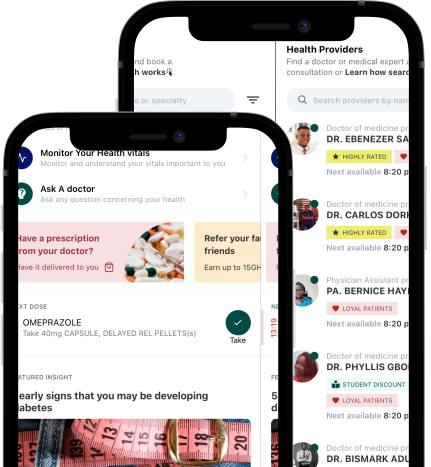
Find verified board-certified Root Canal Specialists on DrDoGood. Compare reviews, check real-time availability, and schedule your appointment online.
All practitioners on DrDoGood are thoroughly vetted for credentials, licensing, and patient satisfaction histories.
Your doctor is only an appointment away.
Feeling unwell? Our friendly healthcare professionals are here to listen, advise, and care for you. Just open the app for quick, expert help. No stress, no fuss.