Who is a Sports Doctor?
A Sports Doctor is a medical specialist who helps people recover from injuries caused by exercise, sport, and physical activity — and keeps them performing at their best. They treat everyone from professional athletes to everyday people who play football on weekends or exercise to stay healthy. If you have a muscle, joint, or bone problem related to physical activity, a Sports Doctor is the right person to see.
Duties and Responsibilities of a Sports Doctor
When to See a Sports Doctor
You should consider booking an consultation if you are experiencing any of the following symptoms or conditions:
- Pain, swelling, or bruising in a joint or muscle after playing sport or exercising
- A knee, ankle, or shoulder injury that is not improving after a few days of rest
- A suspected broken bone or fracture from a fall or collision
- Recurring muscle cramps or strains that keep coming back
- Pain that gets worse during or after exercise
- A head injury or suspected concussion during sport
- Weakness or instability in a joint, such as a knee that gives way
- Back or neck pain linked to physical activity or a sports incident
- You want a fitness or return-to-sport assessment after an illness or surgery
- Advice on how to exercise safely with a long-term condition like diabetes or high blood pressure
Conditions & Visit Reasons
Select a specific condition to learn more or search for specialists offering directed therapy plans:
Types of Sports Doctor Specialists
Orthopaedic Sports Medicine
Focuses on bone, joint, and ligament injuries that may require surgical or non-surgical treatment, such as knee ligament tears or shoulder dislocations.
Exercise Medicine
Uses physical activity as a tool to prevent and manage long-term conditions like diabetes, heart disease, and obesity.
Sports Rehabilitation
Specialises in helping injured athletes and active individuals regain strength, movement, and fitness after injury or surgery.
Paediatric Sports Medicine
Focuses on sports injuries and physical activity concerns in children and teenagers, whose growing bodies have unique needs.
Sports Nutrition and Performance
Advises athletes and active individuals on diet, hydration, and supplementation to improve performance and speed up recovery.
What to Expect at Your Appointment
At your first visit, the Sports Doctor will ask you about your injury or concern, your level of physical activity, and your general health. They will examine the affected area — checking your movement, strength, and any pain — and may request an X-ray or ultrasound scan if needed. You will leave with a clear explanation of what is wrong and a plan to help you recover and get back to the activities you enjoy.
Training & Education Credentials
A Sports Doctor completes a medical degree followed by postgraduate training in sports and exercise medicine, which typically takes several additional years of specialist study and clinical experience. In Ghana and many West African countries, practitioners may hold fellowships or certifications from recognised regional or international sports medicine bodies.
Frequently Asked Questions
Do I need to be a professional athlete to see a Sports Doctor?
No, you do not need to be a professional athlete. Sports Doctors treat anyone who is physically active — whether you play local football, go to the gym, or simply walk for exercise. If your injury or pain is related to physical activity, a Sports Doctor can help you.
How much does a Sports Doctor appointment cost in Ghana?
Costs vary depending on the clinic and whether you are using the National Health Insurance Scheme (NHIS) or paying privately. It is a good idea to call the clinic ahead of time to ask about consultation fees and whether any scans or tests will cost extra. Some hospitals and sports clinics offer affordable rates for common injuries.
What should I bring to my first appointment?
Bring your NHIS card or any health insurance documents, a list of any medicines you are currently taking, and any previous X-rays or scan results related to your injury. Wear or bring comfortable clothing that allows the doctor to examine the injured area easily, such as shorts for a knee or ankle problem.
How do I prepare for my Sports Doctor visit?
Think about when the injury or pain started, what makes it better or worse, and whether it happened suddenly or came on gradually. Write down any questions you want to ask. If possible, avoid taking strong painkillers just before your appointment so the doctor can accurately assess your pain and movement.
When should I go to the emergency room instead of booking a Sports Doctor?
Go to the emergency room immediately if you have a severe head injury or loss of consciousness, a bone that looks out of place or is poking through the skin, severe swelling with inability to move a limb, or chest pain during exercise. For less urgent injuries — such as a sprain or muscle strain — booking a Sports Doctor appointment within a few days is appropriate.
Book a Sports Doctor
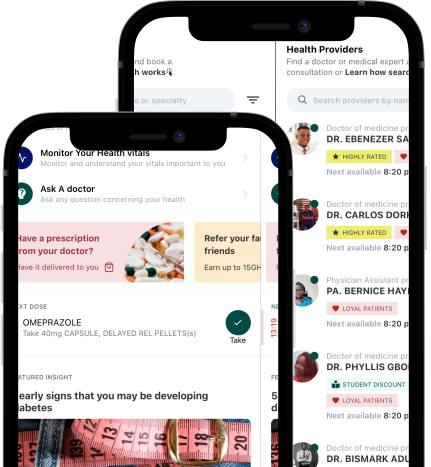
Find verified board-certified Sports Doctors on DrDoGood. Compare reviews, check real-time availability, and schedule your appointment online.
All practitioners on DrDoGood are thoroughly vetted for credentials, licensing, and patient satisfaction histories.
Your doctor is only an appointment away.
Feeling unwell? Our friendly healthcare professionals are here to listen, advise, and care for you. Just open the app for quick, expert help. No stress, no fuss.