Verified Health Resource

Understanding Acne

Acne is a common skin condition where pimples, blackheads, and spots appear on the face, chest, or back when hair follicles become blocked with oil and dead skin cells. It is very common among teenagers and young adults, but can affect people of any age. Many people visit a doctor for acne when it is painful, spreading, or affecting their confidence and daily life.

Common Symptoms / Concerns for Acne

Pimples or bumps on the face, chest, or back
Blackheads or whiteheads on the skin
Painful, swollen red spots under the skin
Oily or shiny skin
Skin that feels rough or uneven to touch
Dark marks or scars left behind after spots heal
Itching or tenderness around affected areas
Clusters of spots that keep coming back

When to Seek Professional Care

Book an evaluation with a healthcare provider immediately if you experience or present with:

  • Acne spots are very large, deep, or filled with pus and do not improve after two weeks
  • The skin is extremely painful, swollen, or warm to touch
  • Acne is spreading rapidly to new areas of the body
  • Over-the-counter creams or soaps have not helped after four to six weeks
  • Acne is leaving permanent dark scars or marks on the skin
  • You feel very sad, embarrassed, or withdrawn because of your skin
  • Acne appears suddenly alongside other symptoms like weight gain or irregular periods

What to Expect During Your Medical Consultation

When you visit a doctor for acne, they will look closely at your skin and ask how long you have had the spots, what products you use, and whether anyone in your family has the same problem. They may also ask about your diet, stress levels, and for women, your menstrual cycle, as these can all affect the skin. The doctor will then recommend a treatment plan, which may include a cream, gel, or tablets to help clear your skin over time.

Medical Divisions Vetted for Acne

Our platform supports multiple clinical specialties capable of providing consultations for this visit type:

Related Conditions

Conditions commonly associated with Acne consultations:

Skin acne

Also known as: skin problem

Roseline

Roseline Osazuwa

300

per visit

Prime: ₵270

Accra5(2)
Highly Rated♥ Loyal PatientsVirtual

Dr. Roseline Osazuwa is an experienced Dermatologist who holds a MBBS from University of Portharcort  and a MScPD in Dermatology from Cardiff University with over 10 years experience treating both general and dermatology conditions. Dr. Roseline specializes in dermatology and Aesthetic Mediscine. She is an expert in the treatment of skin,hair and nail diseases including acne, eczema,hairloss, paediatric dermatology among others. She does aesthetic procedures such as Electrocautery, chemical peel, micro needling among others.  She is a member of the American Association of Aesthetic Medicine. 

Next available — thu, Jul 23

Frequently Asked Questions

What causes acne?

Acne happens when the small holes in your skin (called pores) get blocked by oil, dead skin cells, or bacteria. Hormonal changes during puberty, pregnancy, or your monthly cycle can make your skin produce more oil, which increases the chance of getting acne. Stress, certain foods, and some medications can also make acne worse.

Can I treat acne at home without seeing a doctor?

Mild acne with a few small pimples can often be managed at home by washing your face gently twice a day with clean water and a mild soap, and avoiding squeezing or picking at spots. Over-the-counter creams containing benzoyl peroxide or salicylic acid can also help. However, if your acne is painful, widespread, or leaving scars, it is best to see a doctor for proper treatment.

What treatments are available for acne?

A doctor can prescribe creams or gels to apply directly to the skin, or antibiotic tablets to fight the bacteria causing the acne. For more severe cases, stronger medicines may be recommended. Treatment usually takes several weeks to show results, so it is important to be patient and follow the doctor's instructions.

Does eating certain foods cause acne?

Some studies suggest that eating a lot of sugary foods, dairy products, or highly processed foods may make acne worse for some people. However, food affects everyone differently, and cutting out a food group alone is unlikely to clear acne completely. Eating a balanced diet with plenty of water, fruits, and vegetables is good for your skin and overall health.

How can I prevent acne from coming back?

To help prevent acne, wash your face gently twice a day and avoid touching your face with unwashed hands. Use skin products that are labelled 'non-comedogenic' (meaning they will not block your pores), and try to manage stress through rest and exercise. If your acne keeps returning, a doctor can help you find a long-term treatment plan to keep your skin clear.

Schedule Consultations

Get connected with local doctors. Instantly schedule appointments for Acne on our HIPAA-compliant, telehealth-enabled platform.

Clinical Divisions
Clinical Governance

Our guides are reviewed by internal medical advisory boards to uphold patient guidelines and reference certified therapies.

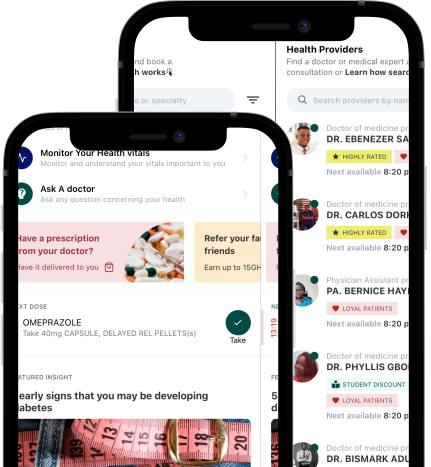
Your doctor is only an appointment away.

Feeling unwell? Our friendly healthcare professionals are here to listen, advise, and care for you. Just open the app for quick, expert help. No stress, no fuss.