Understanding Adjustment Disorder
Adjustment Disorder is a condition where a person finds it very hard to cope emotionally or in their daily life after going through a difficult event — such as losing a job, the death of a loved one, a relationship breakdown, or serious financial hardship. The feelings of sadness, worry, or stress that come with it are stronger than what most people would expect, and they can get in the way of work, family life, and everyday activities. If you have been struggling to cope after a tough experience and it is affecting your life, seeing a doctor can help you understand what you are going through and find the right support.
Common Symptoms / Concerns for Adjustment Disorder
When to Seek Professional Care
Book an evaluation with a healthcare provider immediately if you experience or present with:
- Thoughts of harming yourself or ending your life
- Feeling so low that you cannot get out of bed or care for yourself
- Using alcohol, drugs, or other substances to cope with your feelings
- Completely withdrawing from all family and social contact for several days
- Unable to eat, drink, or carry out basic daily activities
- Experiencing sudden outbursts of anger that feel out of control
- Symptoms that have lasted more than a few weeks without improving
What to Expect During Your Medical Consultation
When you visit the doctor, they will take time to listen to what you have been going through and ask about your feelings, your daily life, and any difficult events that may have triggered your symptoms — there is no need to feel embarrassed or ashamed. The doctor may also ask a few questions about your sleep, appetite, and relationships to get a full picture of how you are doing. From there, they will work with you to find the right support, which may include counselling, lifestyle advice, or other treatments to help you feel like yourself again.
Medical Divisions Vetted for Adjustment Disorder
Our platform supports multiple clinical specialties capable of providing consultations for this visit type:
Talk Therapist
Clinicians available for adjustment disorder consultations.
Frequently Asked Questions
What causes Adjustment Disorder?
Adjustment Disorder is caused by a stressful or difficult life event that feels too hard to cope with — such as losing a job, the death of a loved one, a relationship breakdown, financial hardship, or a major change like moving to a new place. It is not a sign of weakness; it simply means your mind and emotions are struggling to adapt to something painful. Anyone can experience it, and it is more common than many people realise.
Can I manage Adjustment Disorder at home, or do I need to see a doctor?
Mild symptoms can sometimes improve with rest, talking to trusted friends or family, prayer, and giving yourself time to grieve or adjust. However, if your symptoms are affecting your work, relationships, or daily life — or if you feel hopeless or have thoughts of harming yourself — it is important to see a doctor or counsellor. Seeking help is a sign of strength, not weakness.
What are the treatment options for Adjustment Disorder?
The most common and effective treatment is talking therapy, such as counselling or cognitive behavioural therapy (CBT), where a trained professional helps you work through your feelings and develop coping strategies. In some cases, a doctor may also prescribe short-term medication to help with anxiety or sleep problems. Support groups and community or faith-based support can also play a helpful role in recovery.
How long does Adjustment Disorder last?
For most people, symptoms improve within six months once the stressful situation has passed or they have found ways to cope with it. If the stress is ongoing — for example, a long-term illness or continued financial difficulty — symptoms may last longer. With the right support and treatment, most people recover fully and return to their normal lives.
How can I prevent Adjustment Disorder or cope better in the future?
While you cannot always prevent difficult life events, you can build your resilience over time by maintaining strong social connections, practising self-care, and learning healthy ways to manage stress — such as exercise, adequate sleep, and talking about your feelings. If you have been through a hard time before, consider speaking with a counsellor to develop a personal coping plan. Building a support network of family, friends, or a community group can make a big difference when tough times come.
Schedule Consultations
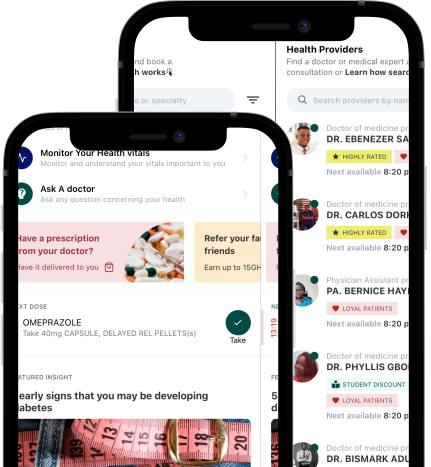
Get connected with local doctors. Instantly schedule appointments for Adjustment Disorder on our HIPAA-compliant, telehealth-enabled platform.
Our guides are reviewed by internal medical advisory boards to uphold patient guidelines and reference certified therapies.
Your doctor is only an appointment away.
Feeling unwell? Our friendly healthcare professionals are here to listen, advise, and care for you. Just open the app for quick, expert help. No stress, no fuss.