Verified Health Resource

Understanding Anorexia

Anorexia is a condition where a person eats very little or stops eating altogether, which can lead to serious and dangerous weight loss. It can affect anyone — men, women, and young people — and is not just about food; it is often connected to how a person feels about their body and themselves. If you or someone you care about is struggling to eat or losing too much weight, seeing a doctor is an important first step toward getting better.

Common Symptoms / Concerns for Anorexia

Eating very little or skipping meals most of the time
Feeling too full after eating only a small amount
Losing a lot of weight in a short time
Always feeling cold, even in warm weather
Feeling tired and weak most of the day
Hair falling out or becoming thin and dry
Feeling dizzy or lightheaded when standing up
Avoiding eating with family or making excuses not to eat
Feeling very unhappy or worried about your body size or weight
Periods stopping or becoming irregular in women and girls

When to Seek Professional Care

Book an evaluation with a healthcare provider immediately if you experience or present with:

  • Fainting or collapsing due to not eating
  • Becoming so weak you cannot carry out daily activities
  • Heart beating very fast, slowly, or in an irregular pattern
  • Severe dizziness that does not go away
  • Not eating anything at all for several days
  • Feeling like you want to harm yourself or feeling hopeless
  • Noticeable swelling in the legs, feet, or face due to poor nutrition

What to Expect During Your Medical Consultation

When you visit the doctor, they will ask you some gentle questions about your eating habits, how your weight has changed, and how you have been feeling emotionally — there is nothing to be afraid of. The doctor will also check your weight and look for any signs that your body is not getting enough nutrients. They may ask for a blood test to see how your body is doing inside, and together you will talk about the best way to help you feel well again.

Medical Divisions Vetted for Anorexia

Our platform supports multiple clinical specialties capable of providing consultations for this visit type:

Related Conditions

Conditions commonly associated with Anorexia consultations:

Erectile dysfunction (ED)

Also known as: Impotence, Difficulty getting or maintaining an erection, Erectile issues, Male sexual dysfunction, Erection problems

Tiredness

Also known as: loss of energy, malaise, tiredness

Mental health

Ethel

Ethel Obeng-Treve

350

per visit

Prime: ₵315

Accra5(1)
Today Highly Rated♥ Loyal PatientsVirtual

Mrs. Ethel Obeng-Treve is a registered Clinical Psychologist and consultant with a specialization working with children and adolescents. Her extensive training in both Ghana and the UK has provided her with a versatile skill set, enabling her to effectively support individuals from diverse cultural backgrounds. In this decade long career, she has successfully helped individuals navigate a range of emotional and behavioural challenges including anxiety, depression, trauma and developmental disorders. As the Executive Director of Fafanto Psych Organization, Ethel and her team of professionals are dedicated to promoting mental health and wellbeing, reducing the stigma associated with mental illness, and providing dependable mental health support through comprehensive assessments and interventions including therapy, counselling and family support programs. With a strong focus on collaboration, Ethel and her team, work with individuals, families, students and schools, serving as a counselor and consultant at various educational institutions to foster positive environment and psychological growth. Additionally, she and the team offer Employee Assistance Program (EAP) services offering guidance to numerous organizations, further extending their expertise and commitment to mental well-being

Next available — tue, Jul 21

Dorcas

Dorcas Ntiamoah

200

per visit

Prime: FREE

Accra4.8(5)
Today♥ Loyal PatientsVirtual

Clinical Health Psychologist|| Psycho-Oncologist|| Certified Cognitive Behavioural Therapist|| Psychological Educator A Licensed Clinical Health Psychologist with Ghana Psychological Council (GPC), a Certified Cognitive Behavioral Therapist with years of experience in performing clinical interview and psychological assessment, psychological testing, scoring and interpretation, diagnosing of psychological conditions and providing psychotherapy. Highly Patient Centered.

Next available — tue, Jul 21

Andrew

Andrew Decker

250

per visit

Prime: ₵225

Accra
Virtual

Neuroscience informed clinical practice.

Next available — wed, Jul 22

Emefa

Emefa Amegah

200

per visit

Prime: ₵180

5(1)
Highly Rated♥ Loyal PatientsVirtual

Emefa is a Counselling Psychologist with experience across different age and professional work groups.

Next available — wed, Jul 22

Frequently Asked Questions

What causes anorexia?

Anorexia is caused by a mix of emotional, mental, and sometimes social pressures — not a single thing. Some people develop it after going through stress, trauma, or a strong desire to control their body weight. Family history, low self-esteem, and pressure from society about how the body should look can also play a role. It is a serious condition that affects both the mind and the body.

Is anorexia a spiritual problem or a mental health problem?

Anorexia is a mental health condition, meaning it starts in the mind and affects how a person thinks and feels about food and their body. While spiritual wellbeing is important in many West African communities and can be part of overall healing, anorexia also needs proper medical and psychological care. Seeking help from a doctor or counsellor does not mean ignoring your faith — both can work together. It is important not to delay treatment by only seeking spiritual solutions.

Can home remedies help with anorexia, or should I see a doctor?

Home remedies like herbal teas or special foods cannot treat anorexia on their own, because the condition is rooted in how a person thinks and feels — not just what they eat. Encouraging someone to eat more or forcing meals can sometimes make things worse. You should see a doctor as soon as possible, especially if the person is losing a lot of weight, feeling very weak, or refusing to eat for long periods. Early treatment gives the best chance of recovery.

What treatment options are available for anorexia in West Africa?

Treatment for anorexia usually includes talking therapy (such as counselling), nutritional support, and sometimes medication. In West Africa, mental health services are available in major hospitals and some community health centres, though access can vary by location. Organisations like the West Africa Mental Health Foundation and some NGOs also offer support. Your doctor can refer you to the right service, so the first step is to visit a clinic or hospital.

How can I support a family member who has anorexia?

The most important thing you can do is listen without judging and let them know you care about them, not just about how much they eat. Avoid commenting on their weight or pressuring them to eat, as this can make them feel ashamed and pull away. Encourage them gently to see a doctor or counsellor, and offer to go with them if they are nervous. Taking care of your own wellbeing is also important — supporting someone with anorexia can be emotionally tiring.

Schedule Consultations

Get connected with local doctors. Instantly schedule appointments for Anorexia on our HIPAA-compliant, telehealth-enabled platform.

Clinical Divisions
Clinical Governance

Our guides are reviewed by internal medical advisory boards to uphold patient guidelines and reference certified therapies.

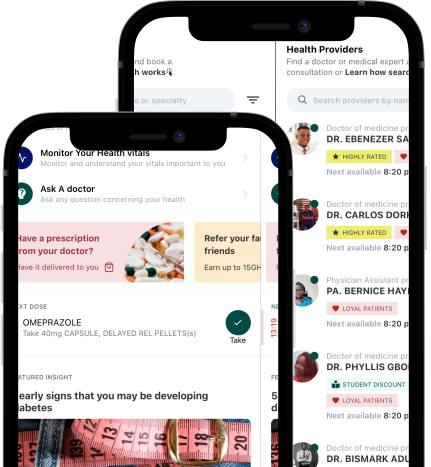
Your doctor is only an appointment away.

Feeling unwell? Our friendly healthcare professionals are here to listen, advise, and care for you. Just open the app for quick, expert help. No stress, no fuss.