Understanding Anxiety
Anxiety is a feeling of worry, fear, or unease that does not go away and starts to affect your daily life. It is normal to feel anxious before a big event, but when the feeling is constant or very strong, it can be a sign that your body and mind need help. People in Ghana and West Africa visit the doctor for anxiety when the worry becomes too much to handle on their own, affecting sleep, work, or relationships.
Common Symptoms / Concerns for Anxiety
When to Seek Professional Care
Book an evaluation with a healthcare provider immediately if you experience or present with:
- Sudden intense fear or panic that comes without warning and feels like you are dying
- Chest pain or very fast heartbeat that does not settle after a few minutes
- Feeling so overwhelmed that you cannot carry out daily tasks like eating, working, or caring for your family
- Thoughts of harming yourself or feeling like life is not worth living
- Anxiety that has lasted more than two weeks and is getting worse
- Using alcohol or other substances to cope with the worry
- Fainting, dizziness, or difficulty breathing during an episode of fear
- Children or teenagers showing signs of extreme fear, school refusal, or withdrawal from friends
What to Expect During Your Medical Consultation
When you visit the doctor for anxiety, they will ask you questions about how long you have been feeling this way, what triggers your worry, and how it is affecting your sleep and daily life. The doctor may also check your blood pressure, heart rate, and do a simple blood test to rule out other conditions like thyroid problems that can cause similar feelings. You will be treated with respect and care — the doctor is there to help you feel better, and there is no shame in talking about your mental health.
Medical Divisions Vetted for Anxiety
Our platform supports multiple clinical specialties capable of providing consultations for this visit type:
Talk Therapist
Clinicians available for anxiety consultations.
Frequently Asked Questions
What causes anxiety?
Anxiety can be caused by many things, including stress at work or at home, financial problems, loss of a loved one, or a history of difficult experiences. Sometimes the body's chemistry plays a role, meaning it can run in families. In West Africa, pressures such as caring for extended family, job insecurity, and community expectations can also contribute to anxiety.
Can I treat anxiety at home without seeing a doctor?
Mild anxiety can sometimes be helped by regular exercise, deep breathing, talking to a trusted friend or pastor, and reducing caffeine from tea or coffee. However, if the anxiety is strong, has lasted more than two weeks, or is stopping you from living your normal life, you should see a doctor. Home remedies alone are not enough for moderate or severe anxiety.
What treatment will the doctor give me for anxiety?
The doctor may recommend talking therapy, where you speak with a trained counsellor to learn ways to manage your worry. They may also prescribe medication to help calm your mind, especially if the anxiety is severe. Many people get better with a combination of both therapy and medication, and treatment is usually adjusted based on how you respond.
Is anxiety a spiritual problem or a medical condition?
Anxiety is a recognised medical condition that affects the brain and body, and it is very common around the world. While faith and prayer can bring comfort and are important to many people in West Africa, anxiety also has physical causes that can be treated by a doctor. Seeking medical help does not mean you lack faith — it means you are taking care of the body God gave you.
How can I prevent anxiety from getting worse?
You can help prevent anxiety from worsening by getting enough sleep, eating regular meals, exercising, and talking about your feelings with someone you trust. Avoiding too much alcohol and reducing stress where possible also helps. If you notice your worry is growing, do not wait — seeing a doctor early makes treatment easier and more effective.
Schedule Consultations
Get connected with local doctors. Instantly schedule appointments for Anxiety on our HIPAA-compliant, telehealth-enabled platform.
Our guides are reviewed by internal medical advisory boards to uphold patient guidelines and reference certified therapies.
Your doctor is only an appointment away.
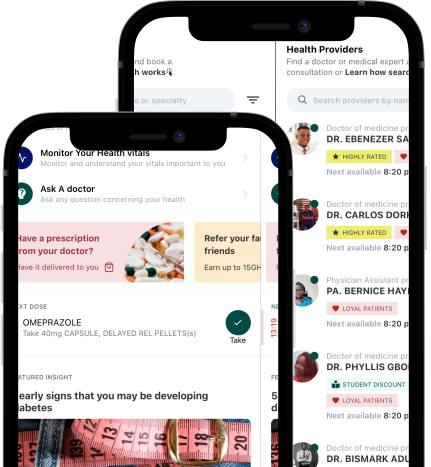
Feeling unwell? Our friendly healthcare professionals are here to listen, advise, and care for you. Just open the app for quick, expert help. No stress, no fuss.