Verified Health Resource

Understanding Basal Cell Carcinoma

Basal cell carcinoma is a type of skin cancer that grows slowly and usually appears on parts of the skin that get a lot of sun, such as the face, neck, and hands. It is the most common type of skin cancer, and when found early, it can almost always be treated successfully. If you notice an unusual growth or sore on your skin that does not go away, it is important to see a doctor so it can be checked and treated early.

Common Symptoms / Concerns for Basal Cell Carcinoma

A shiny or pearly bump on the skin
A flat, flesh-coloured or brownish scar-like patch on the skin
A sore or cut that bleeds easily and does not heal
A pink growth with raised edges and a lower centre
A waxy or smooth lump that may be skin-coloured or slightly pink
A sore that crusts over, heals, and then comes back again
A small, painless lump that slowly gets bigger over time
Skin that looks shiny or has tiny blood vessels visible on the surface
A rough or scaly patch that may itch or feel tender

When to Seek Professional Care

Book an evaluation with a healthcare provider immediately if you experience or present with:

  • A sore on the skin that has not healed after 4 weeks
  • A lump or growth on the skin that is getting bigger
  • A spot on the skin that bleeds without any injury
  • A sore that keeps coming back after it appears to heal
  • Any unusual growth on the face, ears, neck, or scalp
  • A skin change that looks different from other spots on your body
  • A sore or patch that becomes painful, itchy, or starts to ooze

What to Expect During Your Medical Consultation

When you visit the doctor, they will ask you how long you have had the skin change and whether it has been growing or changing in appearance. The doctor will carefully examine the affected area and may use a small magnifying tool to get a closer look at the skin. In some cases, they may take a tiny sample of skin (called a biopsy) to send to a laboratory, which helps confirm the diagnosis and guides the best treatment for you.

Medical Divisions Vetted for Basal Cell Carcinoma

Our platform supports multiple clinical specialties capable of providing consultations for this visit type:

Related Conditions

Conditions commonly associated with Basal Cell Carcinoma consultations:

Skin acne

Also known as: skin problem

Roseline

Roseline Osazuwa

300

per visit

Prime: ₵270

Accra5(2)
Highly Rated♥ Loyal PatientsVirtual

Dr. Roseline Osazuwa is an experienced Dermatologist who holds a MBBS from University of Portharcort  and a MScPD in Dermatology from Cardiff University with over 10 years experience treating both general and dermatology conditions. Dr. Roseline specializes in dermatology and Aesthetic Mediscine. She is an expert in the treatment of skin,hair and nail diseases including acne, eczema,hairloss, paediatric dermatology among others. She does aesthetic procedures such as Electrocautery, chemical peel, micro needling among others.  She is a member of the American Association of Aesthetic Medicine. 

Next available — thu, Jul 23

Frequently Asked Questions

What causes basal cell carcinoma?

Basal cell carcinoma is mainly caused by too much exposure to the sun's ultraviolet (UV) rays over many years. It can also be caused by other sources of UV light, like tanning lamps. People with lighter skin are more at risk, but anyone can develop it, especially after long years of working or spending time outdoors without protection.

Can I treat a skin growth at home with herbs or local remedies?

Home remedies and herbal treatments cannot cure basal cell carcinoma. While they may seem to help on the surface, the cancer can continue to grow underneath. It is important to see a doctor as soon as you notice a sore or growth on your skin that does not heal, so you can get the right treatment early.

When should I see a doctor about a skin sore or growth?

You should see a doctor if you have a sore, bump, or patch on your skin that does not heal after a few weeks, bleeds easily, or keeps coming back. Any growth that changes in size, shape, or colour should also be checked. Early treatment gives the best chance of a full recovery.

What treatment options are available for basal cell carcinoma?

The most common treatment is a small operation to remove the growth, which a doctor or skin specialist can perform. Other options include a special cream applied to the skin, freezing the growth, or radiation therapy, depending on the size and location. Your doctor will recommend the best option for your situation.

How can I protect myself and prevent basal cell carcinoma?

The best way to prevent basal cell carcinoma is to protect your skin from the sun, especially during the hottest hours of the day. Wear a wide-brimmed hat, long-sleeved clothing, and use sunscreen when you go outside. Check your skin regularly for any new or changing spots, and visit a doctor if you notice anything unusual.

Schedule Consultations

Get connected with local doctors. Instantly schedule appointments for Basal Cell Carcinoma on our HIPAA-compliant, telehealth-enabled platform.

Clinical Divisions
Clinical Governance

Our guides are reviewed by internal medical advisory boards to uphold patient guidelines and reference certified therapies.

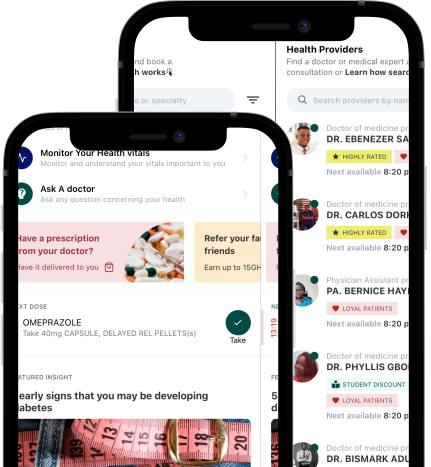
Your doctor is only an appointment away.

Feeling unwell? Our friendly healthcare professionals are here to listen, advise, and care for you. Just open the app for quick, expert help. No stress, no fuss.