Understanding Behavioral Issues
Behavioural issues are changes in a person's mood, actions, or reactions that seem unusual, disruptive, or hard to manage — such as constant fighting, refusing to listen, or sudden mood swings. These changes can affect a child's life at home, in school, and with friends, and can be stressful for the whole family. If you are worried about how a child or family member is behaving, it is a good idea to see a doctor who can help find out what is going on and how to support them.
Common Symptoms / Concerns for Behavioral Issues
When to Seek Professional Care
Book an evaluation with a healthcare provider immediately if you experience or present with:
- Child threatens to harm themselves or others
- Child talks about not wanting to live or disappearing
- Sudden and extreme change in behaviour after a head injury or illness
- Child becomes completely unable to speak, eat, or function normally
- Child is harming themselves, such as hitting or cutting their own body
- Behaviour is so severe that the child or family is in danger
- Child has a seizure or loses consciousness alongside a behaviour change
- Family member becomes violent and uncontrollable at home
What to Expect During Your Medical Consultation
When you visit the doctor for behavioural concerns, they will ask you questions about how the person has been acting at home, in school, and with others — so it helps to think about what you have noticed before the appointment. The doctor may speak with the child and the family separately to get a full picture, and this is completely normal and nothing to worry about. Depending on what they find, they may give advice, prescribe treatment, or refer you to a counsellor or specialist who can provide extra support.
Medical Divisions Vetted for Behavioral Issues
Our platform supports multiple clinical specialties capable of providing consultations for this visit type:
Talk Therapist
Clinicians available for behavioral issues consultations.
Frequently Asked Questions
What causes behavioral issues in children?
Behavioral issues can have many causes, including stress at home or school, difficult life experiences, developmental differences, or mental health conditions. Sometimes a child may be struggling with something they cannot express in words, and it comes out as difficult behavior. Poor sleep, hunger, or illness can also affect how a child behaves. It is important to look at the whole picture rather than blaming the child.
Is my child's behavior a spiritual problem or a medical one?
We understand that in many communities, unusual behavior can feel like a spiritual matter, and those beliefs are deeply respected. However, many behavioral issues also have medical or emotional causes that a doctor or counselor can help identify and treat. Seeking medical care does not mean ignoring your faith — both can work together for your child's wellbeing. A healthcare provider can check if there is an underlying condition that needs attention.
What treatments are available for behavioral issues?
Treatment depends on the cause, but common options include counseling or therapy, where a trained professional talks with the child and family to find helpful strategies. In some cases, a doctor may recommend medication to help manage specific conditions like ADHD or anxiety. Family support and changes at home or school are also a big part of treatment. Early help usually leads to better outcomes, so it is worth speaking to a healthcare provider as soon as possible.
Can discipline or home remedies alone fix behavioral issues?
Consistent, loving discipline is important, but it may not be enough on its own if there is an underlying medical or emotional cause. Home remedies are not proven to treat behavioral conditions and could delay the help your child needs. If a child's behavior is persistent, severe, or getting worse, it is a sign that professional support is needed. A healthcare provider can work with your family to find the right approach.
How can we manage or prevent behavioral issues at home?
Creating a calm, stable home routine helps children feel safe and reduces difficult behavior. Spend quality time with your child, listen to their feelings, and praise good behavior rather than only reacting to bad behavior. Make sure your child gets enough sleep, eats well, and has time to play. If you notice ongoing problems, talk to a doctor or school counselor early — getting help sooner makes a big difference.
Schedule Consultations
Get connected with local doctors. Instantly schedule appointments for Behavioral Issues on our HIPAA-compliant, telehealth-enabled platform.
Our guides are reviewed by internal medical advisory boards to uphold patient guidelines and reference certified therapies.
Your doctor is only an appointment away.
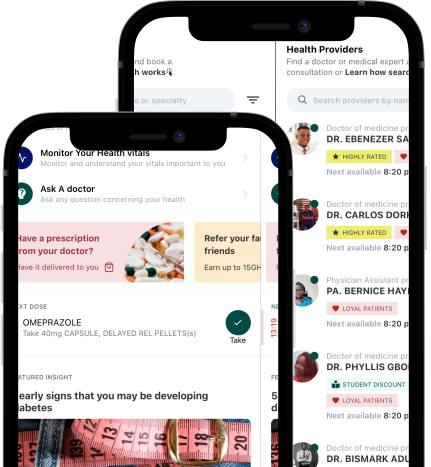
Feeling unwell? Our friendly healthcare professionals are here to listen, advise, and care for you. Just open the app for quick, expert help. No stress, no fuss.