Understanding Cushing's Syndrome
Cushing's Syndrome is a condition that happens when your body has too much of a stress hormone called cortisol for a long time. This can cause changes in your weight, skin, and energy levels that may feel worrying, but the good news is that it can be treated. If you are noticing these kinds of changes, seeing a doctor is the right step to take.
Common Symptoms / Concerns for Cushing's Syndrome
When to Seek Professional Care
Book an evaluation with a healthcare provider immediately if you experience or present with:
- Sudden severe headache that does not go away
- Very high blood pressure together with blurred vision or dizziness
- Sudden weakness or numbness on one side of the body
- A wound or sore on the skin that is not healing and looks infected
- Feeling extremely confused or unable to think clearly
- Chest pain or difficulty breathing
- Sudden swelling of the legs or feet that comes on quickly
What to Expect During Your Medical Consultation
When you visit the doctor, they will ask you questions about your symptoms, any medicines you are taking, and how you have been feeling lately. They will also do a physical check — looking at your weight, blood pressure, skin, and the shape of your body. To find out what is causing the problem, they may ask you to do a simple blood or urine test, which will help them understand your cortisol levels and plan the best care for you.
Medical Divisions Vetted for Cushing's Syndrome
Our platform supports multiple clinical specialties capable of providing consultations for this visit type:
Hormone Doctor
Clinicians available for cushing's syndrome consultations.
Related Conditions
Conditions commonly associated with Cushing's Syndrome consultations:
Erectile dysfunction (ED)
Also known as: Impotence, Difficulty getting or maintaining an erection, Erectile issues, Male sexual dysfunction, Erection problems
Frequently Asked Questions
What causes Cushing's Syndrome?
Cushing's Syndrome happens when your body has too much of a hormone called cortisol for a long time. This can happen because of a tumour in the brain or on the adrenal glands (small organs above your kidneys). It can also be caused by taking steroid medicines like prednisolone or dexamethasone for a long time. Your doctor will run tests to find out the exact cause in your case.
Can I treat Cushing's Syndrome at home, or do I need to see a doctor?
Cushing's Syndrome cannot be treated at home — you must see a doctor. The condition is caused by a medical problem inside your body, such as a tumour or long-term use of certain medicines, and it needs proper diagnosis and treatment. Home remedies will not fix the root cause and may allow the condition to get worse. Please visit a hospital or clinic as soon as possible if you think you have this condition.
What are the treatment options available?
Treatment depends on what is causing the condition. If a tumour is the cause, doctors may remove it through surgery or use radiation therapy. If steroid medicines are causing the problem, your doctor will slowly reduce your dose under careful supervision. There are also medicines that can help lower cortisol levels in your body.
Can Cushing's Syndrome be prevented?
In most cases, Cushing's Syndrome cannot be prevented because it is caused by tumours or other internal problems that are hard to predict. However, if you are taking steroid medicines, never take more than your doctor prescribes and do not stop them suddenly without medical advice. Regular check-ups can help catch problems early. Always follow your doctor's instructions when using any long-term medication.
Is Cushing's Syndrome dangerous if left untreated?
Yes, Cushing's Syndrome can be very dangerous if it is not treated. Over time, it can lead to serious problems like high blood pressure, diabetes, weak bones that break easily, and a weakened immune system that makes it hard to fight infections. It can also affect your heart and increase the risk of stroke. Getting treatment early gives you a much better chance of recovering well.
Schedule Consultations
Get connected with local doctors. Instantly schedule appointments for Cushing's Syndrome on our HIPAA-compliant, telehealth-enabled platform.
Our guides are reviewed by internal medical advisory boards to uphold patient guidelines and reference certified therapies.
Your doctor is only an appointment away.
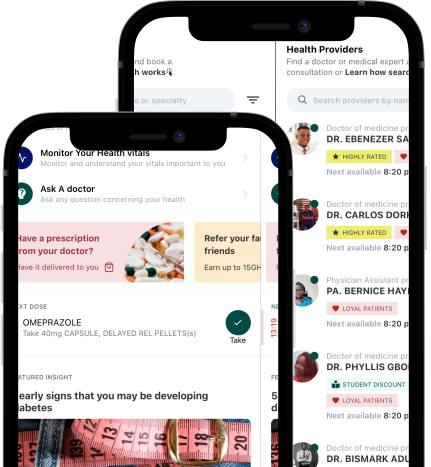
Feeling unwell? Our friendly healthcare professionals are here to listen, advise, and care for you. Just open the app for quick, expert help. No stress, no fuss.