Verified Health Resource

Understanding Dermatology Follow-Up

A dermatology follow-up is a return visit to your skin doctor after an earlier appointment, treatment, or procedure. It gives your doctor the chance to check how your skin condition is responding to treatment and to make any changes if needed. Whether you are managing a rash, an infection, or a long-term skin problem, this visit helps make sure you are healing well and staying on the right track.

Common Symptoms / Concerns for Dermatology Follow-Up

Skin rash that has not cleared up or is getting worse
Itching that continues despite using prescribed cream or medication
Skin that is still red, swollen, or inflamed
Blisters, sores, or wounds that are slow to heal
Darkening or lightening of the skin in affected areas
Dry, flaky, or peeling skin that keeps coming back
New spots, bumps, or patches appearing on the skin
Burning or stinging feeling on the skin
Skin that feels rough or thickened in certain areas
Side effects from skin medication, such as increased redness or irritation

When to Seek Professional Care

Book an evaluation with a healthcare provider immediately if you experience or present with:

  • Your skin condition is spreading rapidly to new areas of the body
  • You develop a fever above 38.5°C alongside your skin problem
  • A wound, sore, or rash becomes very painful, swollen, or starts oozing pus
  • You have a severe allergic reaction such as difficulty breathing, swelling of the face or throat after using a skin product or medication
  • Your skin is blistering badly or peeling off in large areas
  • You notice a mole or skin growth that is changing in size, shape, or colour
  • Your prescribed treatment has caused a new or worsening rash
  • You experience extreme pain, numbness, or tingling in the skin

What to Expect During Your Medical Consultation

At your dermatology follow-up, the doctor will look closely at your skin to see how it has changed since your last visit and ask you about any symptoms you are still experiencing. They may ask whether you have been using your medication as directed and whether you have noticed any side effects or improvements. Depending on what they find, they may adjust your treatment, order a skin test or biopsy, or simply reassure you that your skin is healing as expected — so there is no need to worry.

Medical Divisions Vetted for Dermatology Follow-Up

Our platform supports multiple clinical specialties capable of providing consultations for this visit type:

Related Conditions

Conditions commonly associated with Dermatology Follow-Up consultations:

Skin acne

Also known as: skin problem

Roseline

Roseline Osazuwa

300

per visit

Prime: ₵270

Accra5(2)
Highly Rated♥ Loyal PatientsVirtual

Dr. Roseline Osazuwa is an experienced Dermatologist who holds a MBBS from University of Portharcort  and a MScPD in Dermatology from Cardiff University with over 10 years experience treating both general and dermatology conditions. Dr. Roseline specializes in dermatology and Aesthetic Mediscine. She is an expert in the treatment of skin,hair and nail diseases including acne, eczema,hairloss, paediatric dermatology among others. She does aesthetic procedures such as Electrocautery, chemical peel, micro needling among others.  She is a member of the American Association of Aesthetic Medicine. 

Next available — thu, Jul 23

Frequently Asked Questions

Why do I need to come back for a follow-up if my skin looks better?

Even when your skin looks better on the outside, the underlying condition may not be fully treated yet. Your doctor needs to confirm that the treatment has worked completely and that the problem will not come back. Skipping a follow-up can lead to the condition returning or becoming harder to treat.

Can I stop using my skin cream or medication before my follow-up appointment?

You should not stop your medication without speaking to your doctor first, even if your skin feels better. Stopping too early can cause the condition to return or become resistant to treatment. Always complete the full course your doctor prescribed and bring any leftover medication to your follow-up so the doctor can review it.

What causes skin conditions to keep coming back even after treatment?

Skin conditions can return for many reasons, including heat, sweat, dust, certain soaps or creams, stress, or not completing the full course of treatment. Some conditions like eczema or fungal infections are long-term and need ongoing care. Your doctor can help you understand your triggers and how to prevent flare-ups.

Are there things I can do at home to help my skin heal faster?

Yes — keeping the affected area clean and dry, avoiding harsh soaps or perfumed products, and not scratching the skin can all help. Drinking enough water and eating a balanced diet also supports skin healing. However, home care should be used alongside your prescribed treatment, not as a replacement for it.

How can I prevent skin problems from coming back after my treatment is finished?

Prevention depends on the type of skin condition you have, but general steps include keeping your skin clean and moisturised, wearing loose cotton clothing in hot weather, and avoiding products that irritate your skin. Your doctor will give you specific advice at your follow-up based on your condition. Regular check-ups can also help catch any early signs of the problem returning.

Schedule Consultations

Get connected with local doctors. Instantly schedule appointments for Dermatology Follow-Up on our HIPAA-compliant, telehealth-enabled platform.

Clinical Divisions
Clinical Governance

Our guides are reviewed by internal medical advisory boards to uphold patient guidelines and reference certified therapies.

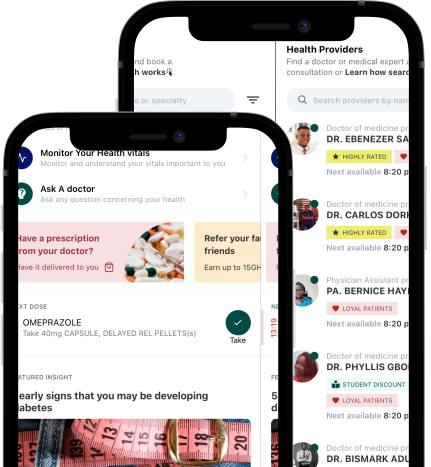
Your doctor is only an appointment away.

Feeling unwell? Our friendly healthcare professionals are here to listen, advise, and care for you. Just open the app for quick, expert help. No stress, no fuss.