Understanding Drug / Alcohol Addiction
Drug and alcohol addiction is when a person feels a strong, uncontrollable urge to keep using substances like alcohol, cannabis, heroin, or other drugs — even when it is causing harm to their health, relationships, or work. It is a medical condition, not a sign of weakness or bad character, and it can affect anyone. People seek help from a doctor when they find it difficult to stop on their own, or when their use is affecting their daily life and wellbeing.
Common Symptoms / Concerns for Drug / Alcohol Addiction
When to Seek Professional Care
Book an evaluation with a healthcare provider immediately if you experience or present with:
- Severe shaking, sweating, or seizures after stopping alcohol or drugs
- Seeing or hearing things that are not there (hallucinations)
- Thoughts of harming yourself or others
- Unconsciousness or inability to be woken up after using substances
- Chest pain or difficulty breathing after using drugs
- High fever combined with confusion after stopping alcohol
- Overdose — taking too much and becoming unresponsive or having a fit
- Severe vomiting or inability to keep any food or water down for more than a day
What to Expect During Your Medical Consultation
When you visit a doctor for drug or alcohol addiction, they will ask you questions about what substances you use, how often, and how it is affecting your life — everything you share is confidential and they are there to help, not to judge you. The doctor may also check your blood pressure, do a physical examination, and ask about your mental health and any past medical conditions. From there, they will work with you to create a plan that may include counselling, medication to ease withdrawal, or referral to a specialist or support programme.
Medical Divisions Vetted for Drug / Alcohol Addiction
Our platform supports multiple clinical specialties capable of providing consultations for this visit type:
Talk Therapist
Clinicians available for drug / alcohol addiction consultations.
Frequently Asked Questions
Is drug or alcohol addiction really a disease, or is it a lack of willpower?
Addiction is a recognised medical condition that affects the brain, making it very hard for a person to stop on their own — it is not simply a matter of willpower or moral weakness. Just like high blood pressure or diabetes, it needs proper treatment and support. Many people in Ghana and across West Africa struggle with addiction, and seeking help is a sign of strength, not weakness.
Can I stop drinking or using drugs on my own at home?
For some people with mild use, cutting down gradually at home may be possible, but for those who have been using heavily for a long time, stopping suddenly can be dangerous and even life-threatening — especially with alcohol. Withdrawal symptoms like seizures or severe confusion require medical supervision. It is always safer to speak with a doctor before trying to stop on your own.
What treatments are available for addiction in Ghana?
Treatment options include counselling and talk therapy, support groups, and in some cases medication to reduce cravings or manage withdrawal safely. Some hospitals and clinics in Ghana offer dedicated addiction or mental health services. Your doctor can refer you to the right programme based on your situation and the substance involved.
How can I help a family member who is addicted to alcohol or drugs?
The most important thing is to approach your family member with care and without shame or blame, as this makes it easier for them to accept help. Encourage them to see a doctor or speak to a counsellor, and offer to go with them for support. Avoid giving them money that may be used to buy substances, and seek advice from a health worker on how to best support them at home.
Can addiction be prevented, and what puts someone at risk?
While not everyone who tries alcohol or drugs becomes addicted, certain factors increase the risk — including starting at a young age, having a family history of addiction, stress, trauma, or mental health problems. Prevention involves open conversations about the dangers of substance use, especially with young people, and building strong community and family support systems. If you notice early signs of heavy use in yourself or someone you know, seeking help early gives the best chance of recovery.
Schedule Consultations
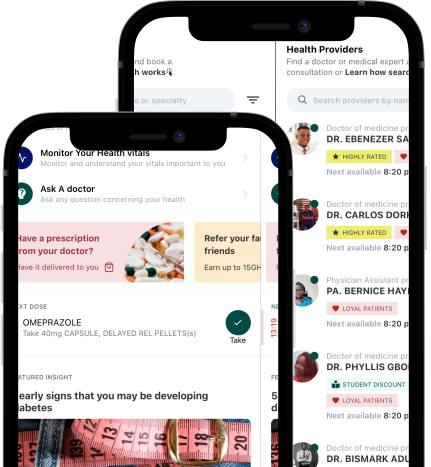
Get connected with local doctors. Instantly schedule appointments for Drug / Alcohol Addiction on our HIPAA-compliant, telehealth-enabled platform.
Our guides are reviewed by internal medical advisory boards to uphold patient guidelines and reference certified therapies.
Your doctor is only an appointment away.
Feeling unwell? Our friendly healthcare professionals are here to listen, advise, and care for you. Just open the app for quick, expert help. No stress, no fuss.