Verified Health Resource

Understanding Emotional Overeating

Emotional overeating happens when a person eats not because they are hungry, but because of feelings like stress, sadness, boredom, or loneliness — something many of us experience in our busy daily lives. Over time, this pattern can affect your weight, your health, and how you feel about yourself. Visiting a doctor is a good step to understand what is driving these habits and to get the right support to feel better.

Common Symptoms / Concerns for Emotional Overeating

Eating large amounts of food even when you are not hungry
Feeling a strong urge to eat when you are stressed, sad, or bored
Eating very quickly without really tasting or enjoying the food
Feeling guilty, ashamed, or upset with yourself after eating
Eating in secret or hiding food from family and friends
Feeling like you cannot stop eating once you have started
Craving specific comfort foods like sweets, fried foods, or snacks
Feeling numb or distracted while eating, as if eating on autopilot
Gaining weight without a clear reason related to your diet

When to Seek Professional Care

Book an evaluation with a healthcare provider immediately if you experience or present with:

  • Feeling completely unable to stop eating even when you want to
  • Noticing sudden or significant weight gain that is affecting your health
  • Experiencing feelings of deep sadness, hopelessness, or depression alongside overeating
  • Having thoughts of harming yourself or feeling that life is not worth living
  • Noticing that overeating is causing problems in your relationships, work, or daily life
  • Developing physical health problems such as high blood pressure, diabetes, or joint pain linked to weight gain
  • Feeling out of control around food most days of the week

What to Expect During Your Medical Consultation

When you visit the doctor for emotional overeating, they will have a friendly conversation with you about your eating habits, your emotions, and any stress or challenges you may be facing at home or at work. They will also check your weight and general health, and may order simple tests like a blood sugar or cholesterol check to make sure your body is doing well. You do not need to feel embarrassed — your doctor is there to help you, not to judge you, and together you will find a plan that works for you.

Medical Divisions Vetted for Emotional Overeating

Our platform supports multiple clinical specialties capable of providing consultations for this visit type:

Related Conditions

Conditions commonly associated with Emotional Overeating consultations:

Erectile dysfunction (ED)

Also known as: Impotence, Difficulty getting or maintaining an erection, Erectile issues, Male sexual dysfunction, Erection problems

Tiredness

Also known as: loss of energy, malaise, tiredness

Mental health

Ethel

Ethel Obeng-Treve

350

per visit

Prime: ₵315

Accra5(1)
Today Highly Rated♥ Loyal PatientsVirtual

Mrs. Ethel Obeng-Treve is a registered Clinical Psychologist and consultant with a specialization working with children and adolescents. Her extensive training in both Ghana and the UK has provided her with a versatile skill set, enabling her to effectively support individuals from diverse cultural backgrounds. In this decade long career, she has successfully helped individuals navigate a range of emotional and behavioural challenges including anxiety, depression, trauma and developmental disorders. As the Executive Director of Fafanto Psych Organization, Ethel and her team of professionals are dedicated to promoting mental health and wellbeing, reducing the stigma associated with mental illness, and providing dependable mental health support through comprehensive assessments and interventions including therapy, counselling and family support programs. With a strong focus on collaboration, Ethel and her team, work with individuals, families, students and schools, serving as a counselor and consultant at various educational institutions to foster positive environment and psychological growth. Additionally, she and the team offer Employee Assistance Program (EAP) services offering guidance to numerous organizations, further extending their expertise and commitment to mental well-being

Next available — tue, Jul 21

Dorcas

Dorcas Ntiamoah

200

per visit

Prime: FREE

Accra4.8(5)
Today♥ Loyal PatientsVirtual

Clinical Health Psychologist|| Psycho-Oncologist|| Certified Cognitive Behavioural Therapist|| Psychological Educator A Licensed Clinical Health Psychologist with Ghana Psychological Council (GPC), a Certified Cognitive Behavioral Therapist with years of experience in performing clinical interview and psychological assessment, psychological testing, scoring and interpretation, diagnosing of psychological conditions and providing psychotherapy. Highly Patient Centered.

Next available — tue, Jul 21

Andrew

Andrew Decker

250

per visit

Prime: ₵225

Accra
Virtual

Neuroscience informed clinical practice.

Next available — wed, Jul 22

Emefa

Emefa Amegah

200

per visit

Prime: ₵180

5(1)
Highly Rated♥ Loyal PatientsVirtual

Emefa is a Counselling Psychologist with experience across different age and professional work groups.

Next available — wed, Jul 22

Frequently Asked Questions

What causes emotional overeating?

Emotional overeating happens when you eat not because you are hungry, but because of how you are feeling — such as stress, sadness, boredom, or loneliness. Difficult life situations, like money problems or relationship troubles, can also trigger it. Over time, eating becomes a way to cope with uncomfortable emotions rather than to satisfy hunger.

Can I manage emotional overeating at home, or do I need to see a doctor?

Mild emotional overeating can often be managed at home by identifying your triggers, finding other ways to handle stress (like walking or talking to a friend), and eating at regular times. However, if it is happening very often, causing you to gain a lot of weight, or making you feel ashamed or out of control, it is a good idea to see a doctor or counsellor. Getting professional support early makes it easier to manage.

What treatments are available for emotional overeating?

The most common and effective treatment is talking therapy, especially a type called cognitive behavioural therapy (CBT), which helps you understand and change the thoughts that lead to overeating. A doctor may also refer you to a dietitian who can help you build healthier eating habits. In some cases, medication may be recommended alongside therapy.

How can I prevent emotional overeating?

You can reduce the chances of emotional overeating by learning to notice when you are eating out of emotion rather than hunger. Try to find other ways to deal with stress — such as praying, exercising, journalling, or spending time with loved ones. Eating regular meals throughout the day and getting enough sleep also helps keep cravings and emotions more balanced.

Is emotional overeating a mental health condition?

Emotional overeating on its own is not classified as a mental health condition, but it is closely linked to mental and emotional wellbeing. It often goes hand in hand with stress, anxiety, or depression. If it becomes a regular pattern that is hard to control, a mental health professional can help you understand what is driving it and how to manage it.

Schedule Consultations

Get connected with local doctors. Instantly schedule appointments for Emotional Overeating on our HIPAA-compliant, telehealth-enabled platform.

Clinical Divisions
Clinical Governance

Our guides are reviewed by internal medical advisory boards to uphold patient guidelines and reference certified therapies.

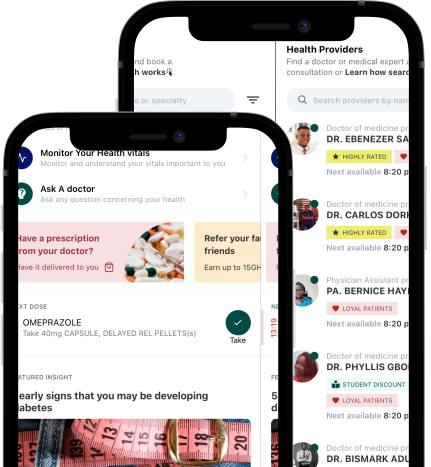
Your doctor is only an appointment away.

Feeling unwell? Our friendly healthcare professionals are here to listen, advise, and care for you. Just open the app for quick, expert help. No stress, no fuss.