Understanding Endocrinology New Patient Consultation
An endocrinology new patient consultation is your first visit with a specialist doctor who focuses on hormones and the glands that produce them — such as the thyroid, pancreas, and adrenal glands. Hormones control many things in your body, including your blood sugar, weight, energy, and reproductive health, so problems with them can affect how you feel every day. You would see an endocrinologist if your regular doctor has noticed something unusual in your blood tests, or if you have a condition like diabetes, thyroid disease, or hormonal imbalance that needs specialist care.
Common Symptoms / Concerns for Endocrinology New Patient Consultation
When to Seek Professional Care
Book an evaluation with a healthcare provider immediately if you experience or present with:
- Blood sugar reading above 16 mmol/L or below 3 mmol/L and you feel unwell
- Sudden confusion, shaking, or loss of consciousness in a person with diabetes
- Rapid or irregular heartbeat together with sweating and trembling
- Severe neck swelling that makes it hard to breathe or swallow
- Extreme weakness or dizziness that stops you from standing or walking
- Sudden, severe headache with vision changes or vomiting
- Signs of a diabetic foot infection — redness, swelling, or a wound that is not healing
What to Expect During Your Medical Consultation
At your first endocrinology appointment, the doctor will spend time asking about your symptoms, your medical history, and any medicines you are currently taking, so try to bring any previous test results or referral letters with you. They will do a physical examination — which may include checking your neck for thyroid swelling, measuring your blood pressure, and reviewing your weight — and will likely request blood tests to check your hormone levels. The visit is a chance to ask questions and understand your condition better; the doctor is there to help you, so do not be afraid to speak openly about how you have been feeling.
Medical Divisions Vetted for Endocrinology New Patient Consultation
Our platform supports multiple clinical specialties capable of providing consultations for this visit type:
Hormone Doctor
Clinicians available for endocrinology new patient consultation consultations.
Related Conditions
Conditions commonly associated with Endocrinology New Patient Consultation consultations:
Erectile dysfunction (ED)
Also known as: Impotence, Difficulty getting or maintaining an erection, Erectile issues, Male sexual dysfunction, Erection problems
Frequently Asked Questions
What conditions does an endocrinologist treat?
An endocrinologist treats conditions related to hormones and glands in the body. Common conditions include diabetes, thyroid problems (such as an overactive or underactive thyroid), hormonal imbalances, and disorders of the adrenal glands. If your regular doctor suspects a hormone-related problem, they will refer you to an endocrinologist for specialist care.
Why has my doctor referred me to an endocrinologist?
Your doctor may have noticed something in your blood tests or symptoms that suggests a problem with your hormones or glands. This does not always mean something serious — it simply means you need a specialist to take a closer look and give you the right treatment. An endocrinologist will review your results and explain what is happening in plain terms.
Can I manage a hormone condition with home remedies instead of seeing a doctor?
While eating well, exercising, and reducing stress can support your hormone health, most hormone conditions — such as diabetes or thyroid disease — cannot be safely managed with home remedies alone. Without proper diagnosis and treatment, these conditions can get worse and lead to serious complications. It is important to see a doctor so you can get the right medicines or treatment plan alongside any lifestyle changes.
What tests will the endocrinologist order?
The endocrinologist will likely request blood tests to measure your hormone levels — for example, thyroid hormones, blood sugar (glucose), or cortisol. Some patients may also need an ultrasound scan of the thyroid or other glands. These tests help the doctor understand exactly what is happening in your body so they can recommend the best treatment.
How can I prevent hormone problems from getting worse?
Taking your prescribed medicines regularly and attending your follow-up appointments are the most important steps you can take. Eating a balanced diet with less sugar and processed food, staying physically active, and avoiding excessive alcohol can also help keep your hormones in balance. If you notice new or worsening symptoms between appointments, contact your doctor rather than waiting for your next scheduled visit.
Schedule Consultations
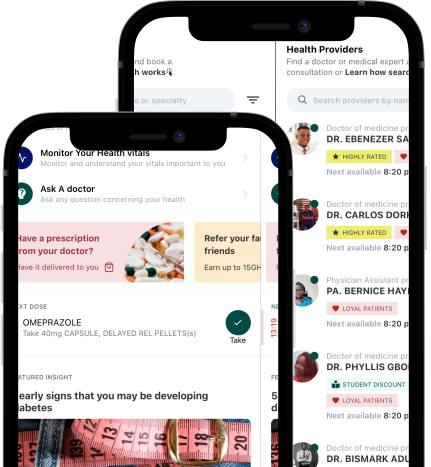
Get connected with local doctors. Instantly schedule appointments for Endocrinology New Patient Consultation on our HIPAA-compliant, telehealth-enabled platform.
Our guides are reviewed by internal medical advisory boards to uphold patient guidelines and reference certified therapies.
Your doctor is only an appointment away.
Feeling unwell? Our friendly healthcare professionals are here to listen, advise, and care for you. Just open the app for quick, expert help. No stress, no fuss.