Understanding Grief Counseling
Grief counselling is a type of support that helps people cope with the deep sadness, pain, and emotional distress that comes after losing someone or something important — such as a loved one, a relationship, a job, or good health. In Ghana and across West Africa, grief is a natural part of life, but sometimes the pain becomes too heavy to carry alone and begins to affect your daily life, sleep, or relationships. Seeing a counsellor or doctor can help you understand your feelings, find healthy ways to heal, and regain your strength over time.
Common Symptoms / Concerns for Grief Counseling
When to Seek Professional Care
Book an evaluation with a healthcare provider immediately if you experience or present with:
- Thoughts of harming yourself or not wanting to be alive
- Grief that has lasted more than several months and is getting worse, not better
- Unable to carry out daily tasks like going to work, eating, or caring for your children
- Using alcohol, drugs, or other substances to cope with the pain
- Completely withdrawing from all family and friends for weeks
- Experiencing hallucinations — such as hearing or seeing the person who passed away in a distressing way
- Feeling intense guilt or anger that you cannot control
- Physical symptoms like chest pain, severe headaches, or extreme weight loss linked to grief
What to Expect During Your Medical Consultation
When you visit a doctor or counsellor for grief, they will gently ask you about your loss, how long you have been feeling this way, and how it is affecting your daily life and relationships. They will listen without judgement and may ask about your sleep, appetite, and whether you have had any thoughts of harming yourself — this is a routine and caring part of the assessment. From there, they will work with you to create a plan that may include talking therapy, support groups, or in some cases medication to help with sleep or low mood, so you can begin to heal at your own pace.
Medical Divisions Vetted for Grief Counseling
Our platform supports multiple clinical specialties capable of providing consultations for this visit type:
Talk Therapist
Clinicians available for grief counseling consultations.
Frequently Asked Questions
Is it normal to still feel sad months after losing someone?
Yes, grief has no fixed timeline and everyone heals differently. In many West African communities, the mourning process can last a long time, and that is completely normal. However, if the sadness is getting worse over time or stopping you from living your life, it is a good idea to speak with a doctor or counsellor.
What causes grief to feel so overwhelming?
Grief is the natural response your mind and body have to a significant loss. The stronger the bond you had with what or who you lost, the more intense the grief can feel. Stress, lack of support, or multiple losses happening close together can also make grief feel much harder to manage.
Can I manage grief at home without seeing a doctor?
Mild grief can often be helped by leaning on family and friends, praying, resting, eating well, and allowing yourself to feel and express your emotions. Community and faith-based support are very important in Ghana and West Africa and can provide great comfort. However, if grief is lasting a very long time, getting worse, or affecting your ability to function, please see a doctor or counsellor — you do not have to suffer alone.
What treatment is available for grief in Ghana?
Treatment for grief usually involves talking therapy, also called counselling, where a trained professional helps you process your feelings in a safe space. Some hospitals and clinics in Ghana offer mental health services, and there are also community and faith-based counsellors available. In cases where grief has led to depression or severe anxiety, a doctor may also prescribe medication to help stabilise your mood while you heal.
How can I support a family member who is grieving?
The most important thing you can do is be present — listen without trying to fix things, and avoid telling them to 'move on' or 'be strong'. Help with practical tasks like cooking, childcare, or accompanying them to appointments. If you notice they are not eating, sleeping, or are talking about not wanting to live, encourage them gently but firmly to see a doctor or counsellor as soon as possible.
Schedule Consultations
Get connected with local doctors. Instantly schedule appointments for Grief Counseling on our HIPAA-compliant, telehealth-enabled platform.
Our guides are reviewed by internal medical advisory boards to uphold patient guidelines and reference certified therapies.
Your doctor is only an appointment away.
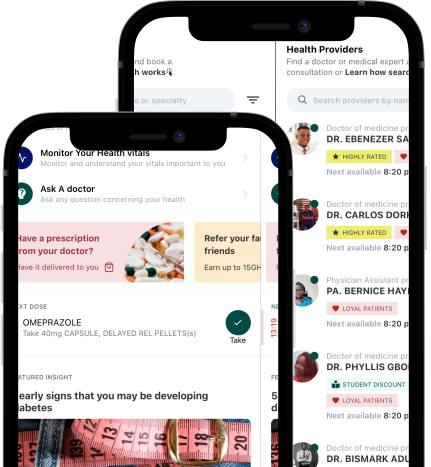
Feeling unwell? Our friendly healthcare professionals are here to listen, advise, and care for you. Just open the app for quick, expert help. No stress, no fuss.