Understanding Hyperaldosteronism
Hyperaldosteronism is a condition where the adrenal glands — two small glands that sit above your kidneys — produce too much of a hormone called aldosterone. This hormone controls the balance of salt and potassium in your body, and when there is too much of it, your blood pressure rises and your potassium levels can drop too low. People visit the doctor for this condition when they have high blood pressure that is difficult to control, or when they experience symptoms like muscle weakness, cramps, or frequent urination.
Common Symptoms / Concerns for Hyperaldosteronism
When to Seek Professional Care
Book an evaluation with a healthcare provider immediately if you experience or present with:
- Very high blood pressure reading above 180/120 mmHg
- Sudden severe muscle weakness or inability to move your arms or legs
- Irregular or very fast heartbeat with chest discomfort or pain
- Severe headache with blurred vision or confusion
- Difficulty breathing or shortness of breath at rest
- Fainting or loss of consciousness
- Extreme muscle cramps that do not go away
What to Expect During Your Medical Consultation
When you visit the doctor, they will ask you about your symptoms, how long you have had high blood pressure, and any medicines you are currently taking. They will check your blood pressure and do a general physical examination to understand your overall health. To confirm the diagnosis, they may take a blood sample to check your potassium and hormone levels, ask for a urine test, and possibly arrange a scan of the adrenal glands — all of which are straightforward tests and nothing to worry about.
Medical Divisions Vetted for Hyperaldosteronism
Our platform supports multiple clinical specialties capable of providing consultations for this visit type:
Hormone Doctor
Clinicians available for hyperaldosteronism consultations.
Related Conditions
Conditions commonly associated with Hyperaldosteronism consultations:
Erectile dysfunction (ED)
Also known as: Impotence, Difficulty getting or maintaining an erection, Erectile issues, Male sexual dysfunction, Erection problems
Frequently Asked Questions
What causes hyperaldosteronism?
Hyperaldosteronism happens when one or both of your adrenal glands (small glands that sit on top of your kidneys) produce too much of a hormone called aldosterone. The most common cause is a small, non-cancerous growth on one of the glands. In some cases, both glands are simply overactive without any growth. It is not caused by lifestyle choices, but some people may have a family history that makes them more likely to develop it.
Can hyperaldosteronism be treated or managed?
Yes, hyperaldosteronism can be treated effectively. If a growth on one gland is causing the problem, a doctor may recommend surgery to remove that gland, which can cure or greatly improve the condition. If both glands are overactive, medicines can be used to block the effects of the extra hormone and bring blood pressure and potassium levels back to normal. Most people do very well with the right treatment.
Can home remedies help, or do I need to see a doctor?
Home remedies alone cannot treat hyperaldosteronism because the problem is inside the body's hormone system. Eating less salt and avoiding processed foods can help a little with blood pressure, but they will not fix the root cause. If you have high blood pressure that is hard to control, feel weak or tired often, or notice muscle cramps, you should see a doctor as soon as possible. Early diagnosis and proper treatment can prevent serious problems like stroke or kidney damage.
How is hyperaldosteronism different from regular high blood pressure?
Regular high blood pressure is very common and is often linked to diet, weight, stress, or family history. Hyperaldosteronism is a specific hormonal condition where overactive adrenal glands are the direct cause of the high blood pressure. People with this condition often also have low potassium levels, which can cause weakness, cramps, or an irregular heartbeat — symptoms not usually seen with ordinary high blood pressure. It also tends to be harder to control with standard blood pressure medicines.
Can hyperaldosteronism be prevented?
There is no known way to prevent hyperaldosteronism, since it is usually caused by a gland growth or a problem with how the glands develop. However, you can reduce your risk of serious complications by getting your blood pressure checked regularly and seeing a doctor if it stays high despite treatment. Eating a balanced diet, staying active, and avoiding too much salt are good habits that support overall health. Catching the condition early gives you the best chance of a full recovery.
Schedule Consultations
Get connected with local doctors. Instantly schedule appointments for Hyperaldosteronism on our HIPAA-compliant, telehealth-enabled platform.
Our guides are reviewed by internal medical advisory boards to uphold patient guidelines and reference certified therapies.
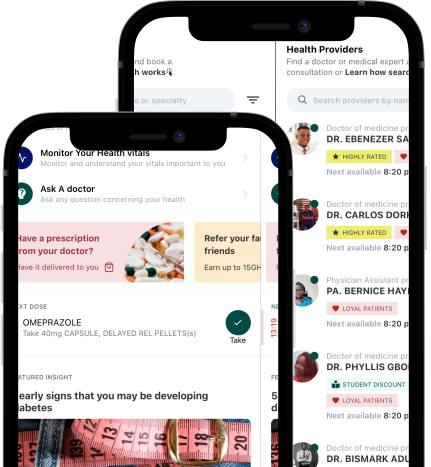
Your doctor is only an appointment away.
Feeling unwell? Our friendly healthcare professionals are here to listen, advise, and care for you. Just open the app for quick, expert help. No stress, no fuss.