Verified Health Resource

Understanding Ingrown Hair / Pseudofolliculitis Barbae

Ingrown hair, also known as Pseudofolliculitis Barbae, is a common skin condition where hairs that have been shaved or cut curl back and grow into the skin instead of outward, causing bumps, redness, and irritation. It is especially common among people with curly or coarse hair, making it very widespread in West Africa and Ghana. If the bumps become painful, infected, or are affecting your confidence or daily life, seeing a doctor can help you get the right treatment and advice.

Common Symptoms / Concerns for Ingrown Hair / Pseudofolliculitis Barbae

Small, raised bumps on the skin after shaving or cutting hair
Redness and irritation around hair follicles
Itching or burning feeling on the skin
Dark spots or patches left behind after bumps heal
Pus-filled pimples or sores on the affected area
Tenderness or pain when touching the bumps
Visible hair trapped under the skin surface
Rough or uneven skin texture in the shaved area
Swelling around the hair bumps
Scarring or thickened skin from repeated ingrown hairs

When to Seek Professional Care

Book an evaluation with a healthcare provider immediately if you experience or present with:

  • Bumps become very painful, swollen, or filled with pus and do not improve after a few days
  • You develop a fever alongside the skin bumps, which may signal infection
  • The affected area spreads rapidly or becomes hot and red
  • You notice deep, hard lumps under the skin that do not go away
  • Bleeding from the bumps that does not stop with gentle pressure
  • Dark scars or marks are getting worse and affecting your confidence or daily life
  • Home treatments have not helped after two weeks of trying
  • You have diabetes or another condition that makes skin infections more dangerous

What to Expect During Your Medical Consultation

When you visit the doctor for ingrown hairs, they will gently examine the affected area of your skin and ask you a few simple questions — such as how long you have had the problem and how you shave or remove hair. They may carefully release any hairs that are trapped under the skin to give you relief. The doctor will likely recommend a soothing cream to calm irritation or prevent infection, and will give you practical tips on safer shaving or hair removal methods to help prevent the problem from coming back.

Medical Divisions Vetted for Ingrown Hair / Pseudofolliculitis Barbae

Our platform supports multiple clinical specialties capable of providing consultations for this visit type:

Related Conditions

Conditions commonly associated with Ingrown Hair / Pseudofolliculitis Barbae consultations:

Skin acne

Also known as: skin problem

Roseline

Roseline Osazuwa

300

per visit

Prime: ₵270

Accra5(2)
Highly Rated♥ Loyal PatientsVirtual

Dr. Roseline Osazuwa is an experienced Dermatologist who holds a MBBS from University of Portharcort  and a MScPD in Dermatology from Cardiff University with over 10 years experience treating both general and dermatology conditions. Dr. Roseline specializes in dermatology and Aesthetic Mediscine. She is an expert in the treatment of skin,hair and nail diseases including acne, eczema,hairloss, paediatric dermatology among others. She does aesthetic procedures such as Electrocautery, chemical peel, micro needling among others.  She is a member of the American Association of Aesthetic Medicine. 

Next available — thu, Jul 23

Frequently Asked Questions

Why do I keep getting bumps after shaving?

When you shave, the cut hair can curl back and grow into the skin instead of growing outward. This is more common if you have curly or coarse hair, which is very common among people in West Africa. Shaving too close to the skin or using a blunt blade makes it worse. Changing your shaving technique or using a single-blade razor can help reduce the bumps.

Can I treat ingrown hairs at home?

Yes, mild cases can often be managed at home. Gently exfoliating the skin with a soft cloth or brush can help free trapped hairs, and applying a warm compress can reduce swelling. Avoid picking or squeezing the bumps, as this can cause infection and scarring. If the bumps are painful, spreading, or filled with pus, it is best to see a doctor.

Will the dark marks left by ingrown hairs go away?

The dark spots, called post-inflammatory hyperpigmentation, are very common and are caused by the skin's response to irritation. They often fade on their own over several weeks or months. A doctor can recommend creams that help lighten the marks faster. Protecting the skin from the sun also helps prevent the marks from getting darker.

What is the best way to prevent ingrown hairs?

The best prevention is to change how you remove hair. Use a sharp, single-blade razor and shave in the direction the hair grows, not against it. Soften the hair with warm water before shaving and apply a moisturising shaving gel or cream. Some people find that switching to electric clippers or other hair removal methods reduces the problem significantly.

Can ingrown hairs become a serious infection?

In most cases, ingrown hairs are not dangerous, but they can become infected if bacteria enter the skin. Signs of infection include increasing pain, swelling, warmth, and pus coming from the bump. If you have a condition like diabetes, infections can be more serious and harder to treat. See a doctor promptly if you notice any of these signs.

Schedule Consultations

Get connected with local doctors. Instantly schedule appointments for Ingrown Hair / Pseudofolliculitis Barbae on our HIPAA-compliant, telehealth-enabled platform.

Clinical Divisions
Clinical Governance

Our guides are reviewed by internal medical advisory boards to uphold patient guidelines and reference certified therapies.

Your doctor is only an appointment away.

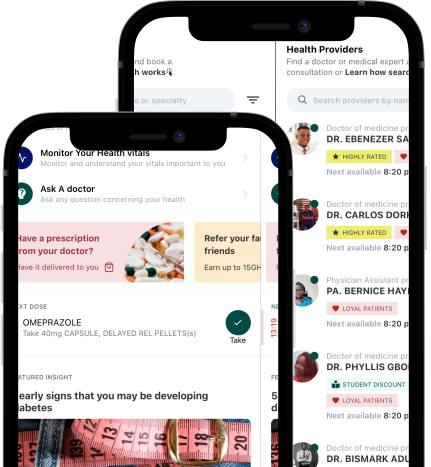
Feeling unwell? Our friendly healthcare professionals are here to listen, advise, and care for you. Just open the app for quick, expert help. No stress, no fuss.