Verified Health Resource

Understanding Keloid

A keloid is a type of raised, thick scar that grows beyond the edges of a wound or skin injury. It forms when the skin produces too much scar tissue after a cut, burn, piercing, or even a small scratch. People with darker skin tones — common in Ghana and West Africa — are more likely to develop keloids, and a doctor can help manage or reduce them.

Common Symptoms / Concerns for Keloid

Raised, thick lump on the skin at or near a healed wound
Scar that grows larger than the original injury
Itching or irritation around the scar
Tenderness or pain when the scar is touched
Shiny, smooth skin over the raised area
Scar that feels hard or rubbery
Skin discolouration — darker or reddish patch over the scar
Scar that continues to grow months after the wound healed

When to Seek Professional Care

Book an evaluation with a healthcare provider immediately if you experience or present with:

  • The keloid is growing rapidly and becoming very large
  • The scar is causing significant pain or discomfort in daily life
  • The keloid is on the face, neck, or a joint and is affecting movement or appearance
  • Signs of infection appear — redness, warmth, swelling, or pus from the area
  • The keloid bleeds without any injury or trauma
  • You are planning a surgery or procedure and have a history of keloids
  • The keloid is causing emotional distress or affecting your confidence

What to Expect During Your Medical Consultation

When you visit a doctor for a keloid, they will look closely at the scar and ask about your skin history, any past injuries, and whether keloids run in your family. The doctor may recommend treatments such as steroid injections, silicone sheets, or referral to a skin specialist — all of which are safe and commonly used. You do not need to feel embarrassed; keloids are very common in West Africa and your doctor is experienced in helping patients manage them.

Medical Divisions Vetted for Keloid

Our platform supports multiple clinical specialties capable of providing consultations for this visit type:

Related Conditions

Conditions commonly associated with Keloid consultations:

Skin acne

Also known as: skin problem

Roseline

Roseline Osazuwa

300

per visit

Prime: ₵270

Accra5(2)
Highly Rated♥ Loyal PatientsVirtual

Dr. Roseline Osazuwa is an experienced Dermatologist who holds a MBBS from University of Portharcort  and a MScPD in Dermatology from Cardiff University with over 10 years experience treating both general and dermatology conditions. Dr. Roseline specializes in dermatology and Aesthetic Mediscine. She is an expert in the treatment of skin,hair and nail diseases including acne, eczema,hairloss, paediatric dermatology among others. She does aesthetic procedures such as Electrocautery, chemical peel, micro needling among others.  She is a member of the American Association of Aesthetic Medicine. 

Next available — thu, Jul 23

Frequently Asked Questions

Why do I keep getting keloids after every injury or piercing?

Some people's skin naturally produces too much scar tissue when healing, which leads to keloids. This tendency often runs in families and is more common in people with darker skin tones, including many people in Ghana and West Africa. If you are prone to keloids, it is best to avoid unnecessary piercings or skin procedures and to inform your doctor before any surgery.

Can I treat a keloid at home without seeing a doctor?

There are no proven home remedies that can remove a keloid completely. Some people use shea butter or aloe vera to soothe the skin, but these will not shrink the keloid. For effective treatment — such as steroid injections, pressure therapy, or silicone gel — you need to see a doctor or skin specialist.

What treatment options are available for keloids?

Doctors can treat keloids in several ways, including steroid injections directly into the scar, silicone gel sheets worn over the area, cryotherapy (freezing the scar), laser treatment, or surgical removal. Surgery alone is usually not recommended because keloids often grow back after being cut out. Your doctor will recommend the best option based on the size and location of your keloid.

Will a keloid go away on its own over time?

Keloids rarely disappear on their own — in fact, they often continue to grow slowly over time if left untreated. Early treatment gives the best results, so it is better to see a doctor sooner rather than waiting. With the right treatment, keloids can be significantly reduced or flattened.

How can I prevent a keloid from forming after a wound or surgery?

If you know you are prone to keloids, tell your doctor or surgeon before any procedure so they can take precautions. After a wound heals, using silicone gel sheets or pressure dressings on the area can help reduce the chance of a keloid forming. Keeping the wound clean, moisturised, and protected from the sun during healing also helps.

Schedule Consultations

Get connected with local doctors. Instantly schedule appointments for Keloid on our HIPAA-compliant, telehealth-enabled platform.

Clinical Divisions
Clinical Governance

Our guides are reviewed by internal medical advisory boards to uphold patient guidelines and reference certified therapies.

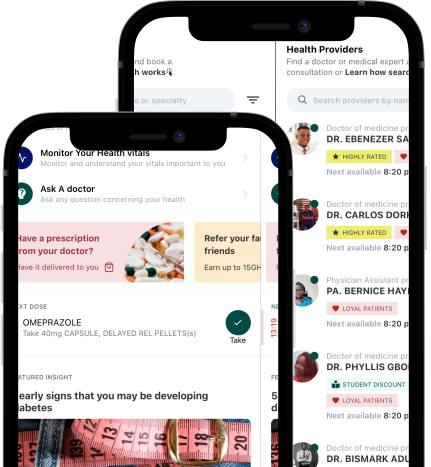
Your doctor is only an appointment away.

Feeling unwell? Our friendly healthcare professionals are here to listen, advise, and care for you. Just open the app for quick, expert help. No stress, no fuss.