Verified Health Resource

Understanding Malaise

Malaise is a general feeling of being unwell, tired, or uncomfortable — your body's way of telling you that something is not quite right. It is often a sign that your body is fighting an infection, dealing with stress, or managing an underlying health condition. If this feeling lasts more than a few days or is getting worse, it is important to see a doctor so they can find out what is causing it and help you feel better.

Common Symptoms / Concerns for Malaise

Feeling tired all the time, even after resting or sleeping
A general sense of weakness or heaviness in the body
Lack of energy to do everyday tasks
Loss of appetite or not feeling like eating
Difficulty concentrating or feeling mentally foggy
Mild headache that keeps coming back
Feeling cold or having chills without a clear reason
Aching muscles or joints without any injury
Feeling low in mood or unusually sad
Sleeping more than usual but still feeling unrefreshed

When to Seek Professional Care

Book an evaluation with a healthcare provider immediately if you experience or present with:

  • High fever above 39°C that does not come down with paracetamol
  • Difficulty breathing or shortness of breath
  • Chest pain or a feeling of tightness in the chest
  • Sudden confusion, dizziness, or difficulty staying awake
  • Yellowing of the eyes or skin (signs of jaundice)
  • Severe vomiting or diarrhoea that leads to signs of dehydration
  • Malaise that has lasted more than two weeks without improvement
  • Unexplained weight loss alongside persistent tiredness

What to Expect During Your Medical Consultation

When you visit the doctor for malaise, they will ask you questions about how long you have been feeling unwell, any other symptoms you have noticed, and your recent health history. They will also do a physical check-up — looking at things like your temperature, blood pressure, and any swollen glands — and may request a blood test or other simple tests to help find the cause. The goal is to understand what your body is going through so you can get the right treatment and start feeling like yourself again.

Medical Divisions Vetted for Malaise

Our platform supports multiple clinical specialties capable of providing consultations for this visit type:

Related Conditions

Conditions commonly associated with Malaise consultations:

Erectile dysfunction (ED)

Also known as: Impotence, Difficulty getting or maintaining an erection, Erectile issues, Male sexual dysfunction, Erection problems

Tiredness

Also known as: loss of energy, malaise, tiredness

Mental health

Ethel

Ethel Obeng-Treve

350

per visit

Prime: ₵315

Accra5(1)
Today Highly Rated♥ Loyal PatientsVirtual

Mrs. Ethel Obeng-Treve is a registered Clinical Psychologist and consultant with a specialization working with children and adolescents. Her extensive training in both Ghana and the UK has provided her with a versatile skill set, enabling her to effectively support individuals from diverse cultural backgrounds. In this decade long career, she has successfully helped individuals navigate a range of emotional and behavioural challenges including anxiety, depression, trauma and developmental disorders. As the Executive Director of Fafanto Psych Organization, Ethel and her team of professionals are dedicated to promoting mental health and wellbeing, reducing the stigma associated with mental illness, and providing dependable mental health support through comprehensive assessments and interventions including therapy, counselling and family support programs. With a strong focus on collaboration, Ethel and her team, work with individuals, families, students and schools, serving as a counselor and consultant at various educational institutions to foster positive environment and psychological growth. Additionally, she and the team offer Employee Assistance Program (EAP) services offering guidance to numerous organizations, further extending their expertise and commitment to mental well-being

Next available — tue, Jul 21

Dorcas

Dorcas Ntiamoah

200

per visit

Prime: FREE

Accra4.8(5)
Today♥ Loyal PatientsVirtual

Clinical Health Psychologist|| Psycho-Oncologist|| Certified Cognitive Behavioural Therapist|| Psychological Educator A Licensed Clinical Health Psychologist with Ghana Psychological Council (GPC), a Certified Cognitive Behavioral Therapist with years of experience in performing clinical interview and psychological assessment, psychological testing, scoring and interpretation, diagnosing of psychological conditions and providing psychotherapy. Highly Patient Centered.

Next available — tue, Jul 21

Andrew

Andrew Decker

250

per visit

Prime: ₵225

Accra
Virtual

Neuroscience informed clinical practice.

Next available — wed, Jul 22

Emefa

Emefa Amegah

200

per visit

Prime: ₵180

5(1)
Highly Rated♥ Loyal PatientsVirtual

Emefa is a Counselling Psychologist with experience across different age and professional work groups.

Next available — wed, Jul 22

Frequently Asked Questions

What causes malaise (feeling generally unwell or run-down)?

Malaise can be caused by many conditions, including infections like malaria, typhoid, or the flu, as well as anaemia, dehydration, or chronic illnesses such as diabetes or high blood pressure. In West Africa, malaria is one of the most common causes and should always be considered. Stress, poor sleep, and poor nutrition can also leave you feeling weak and unwell.

Can I treat malaise at home, or do I need to see a doctor?

Mild malaise from tiredness or a minor illness can often improve with rest, drinking plenty of water, and eating nutritious food. However, if your symptoms last more than a few days, are getting worse, or come with fever, weight loss, or difficulty breathing, you should see a doctor promptly. In West Africa, it is especially important to rule out malaria early, as it can become serious if left untreated.

How long does malaise usually last?

How long malaise lasts depends on what is causing it. If it is due to a short-term infection like a cold or mild flu, you may feel better within a few days to a week. If it is linked to a condition like malaria, anaemia, or a chronic illness, it may persist until the underlying cause is properly treated. Always seek medical advice if you do not feel better after a few days.

What treatments are available for malaise?

Treatment for malaise depends on the underlying cause identified by your doctor. For example, malaria is treated with antimalarial medicines, anaemia may require iron supplements or dietary changes, and infections may need antibiotics. Your doctor may run blood tests to find the cause before recommending the right treatment. Do not self-medicate, especially with antimalarials or antibiotics, without a proper diagnosis.

How can I prevent malaise and keep my energy levels up?

You can reduce your risk of malaise by sleeping under an insecticide-treated mosquito net to prevent malaria, eating a balanced diet rich in vegetables, protein, and iron, and drinking clean, safe water. Regular exercise, managing stress, and attending routine health check-ups also help keep your body strong. Staying up to date with vaccinations and treating any infections early can prevent prolonged periods of feeling unwell.

Schedule Consultations

Get connected with local doctors. Instantly schedule appointments for Malaise on our HIPAA-compliant, telehealth-enabled platform.

Clinical Divisions
Clinical Governance

Our guides are reviewed by internal medical advisory boards to uphold patient guidelines and reference certified therapies.

Your doctor is only an appointment away.

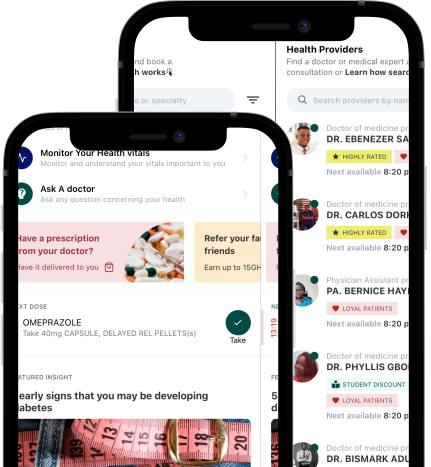
Feeling unwell? Our friendly healthcare professionals are here to listen, advise, and care for you. Just open the app for quick, expert help. No stress, no fuss.