Verified Health Resource

Understanding Mole Removal

A mole is a small, dark spot on the skin that most people have somewhere on their body — they are very common and usually harmless. Sometimes a person may want a mole removed because it bothers them in appearance or causes discomfort, while other times a doctor may recommend removal if the mole looks unusual or shows signs of a health concern. It is important to see a qualified doctor for mole removal rather than trying to remove it at home, as a professional can check whether the mole is safe and carry out the procedure safely.

Common Symptoms / Concerns for Mole Removal

A dark or raised spot on the skin that has been there for a long time
A mole that has recently changed in size or shape
A mole that has changed colour or become uneven in colour
A mole that bleeds without being scratched or injured
A mole that itches or feels sore regularly
A mole with rough, crusty, or uneven edges
A new growth or spot appearing on the skin in adulthood
A mole that looks different from other spots on your body
A mole that is larger than the size of a pencil eraser
Skin around a mole that looks red or swollen

When to Seek Professional Care

Book an evaluation with a healthcare provider immediately if you experience or present with:

  • A mole that bleeds on its own or does not stop bleeding after minor contact
  • A mole that has rapidly grown larger over a few weeks or months
  • A mole with multiple colours — brown, black, red, white, or blue — mixed together
  • A mole with an irregular or jagged border that keeps changing
  • A new dark spot or growth appearing on the skin after age 30
  • A mole that causes persistent pain, itching, or a burning feeling
  • A family member has been diagnosed with skin cancer and you have a suspicious mole
  • A mole that looks very different from all other spots on your skin

What to Expect During Your Medical Consultation

When you visit the doctor about a mole, they will look at it carefully — sometimes using a small magnifying tool — and may ask you how long you have had it and whether you have noticed any changes in its size, shape, or colour. The doctor will then explain whether the mole should be removed for medical reasons or whether it is simply a cosmetic choice, so you can decide together on the best next step. You can feel at ease knowing the doctor is there to help you understand your options and ensure any procedure is done safely and comfortably.

Medical Divisions Vetted for Mole Removal

Our platform supports multiple clinical specialties capable of providing consultations for this visit type:

Related Conditions

Conditions commonly associated with Mole Removal consultations:

Skin acne

Also known as: skin problem

Roseline

Roseline Osazuwa

300

per visit

Prime: ₵270

Accra5(2)
Highly Rated♥ Loyal PatientsVirtual

Dr. Roseline Osazuwa is an experienced Dermatologist who holds a MBBS from University of Portharcort  and a MScPD in Dermatology from Cardiff University with over 10 years experience treating both general and dermatology conditions. Dr. Roseline specializes in dermatology and Aesthetic Mediscine. She is an expert in the treatment of skin,hair and nail diseases including acne, eczema,hairloss, paediatric dermatology among others. She does aesthetic procedures such as Electrocautery, chemical peel, micro needling among others.  She is a member of the American Association of Aesthetic Medicine. 

Next available — thu, Jul 23

Frequently Asked Questions

Is it dangerous to have a mole removed?

Mole removal is generally a safe and simple procedure when done by a trained doctor or skin specialist. The doctor will numb the area so you do not feel pain during the removal. Most people heal well within a few weeks with proper care.

Can I remove a mole at home using local remedies?

It is not safe to try to remove a mole at home using herbs, creams, or sharp objects. Doing so can cause infection, scarring, or damage to the skin. If a mole is bothering you, always see a doctor who can remove it safely and check whether it is harmful.

How do I know if my mole is cancerous?

Warning signs include a mole that changes in size, shape, or colour, has uneven edges, bleeds, or looks very different from your other spots. However, only a doctor can tell for certain whether a mole is harmful. If you are unsure, it is always better to get it checked early.

Will mole removal leave a scar?

Some scarring is possible after mole removal, but a skilled doctor will try to minimise this. The size and depth of the mole affects how the skin heals. Following your doctor's aftercare instructions — such as keeping the area clean and protected from the sun — helps the skin heal better.

Can moles be prevented from growing or spreading?

You cannot always prevent moles from forming, but protecting your skin from strong sunlight can reduce the risk of new ones developing or existing ones changing. Wearing protective clothing and avoiding long exposure to the midday sun are helpful habits. Regular skin checks help you notice any changes early.

Schedule Consultations

Get connected with local doctors. Instantly schedule appointments for Mole Removal on our HIPAA-compliant, telehealth-enabled platform.

Clinical Divisions
Clinical Governance

Our guides are reviewed by internal medical advisory boards to uphold patient guidelines and reference certified therapies.

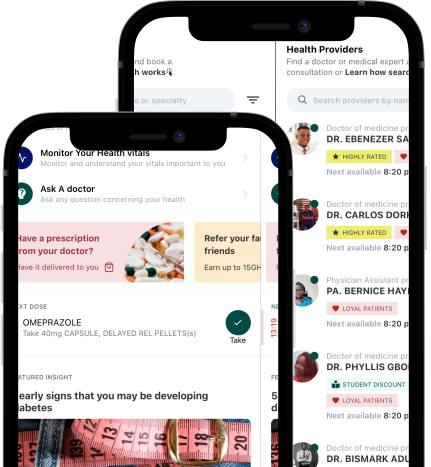
Your doctor is only an appointment away.

Feeling unwell? Our friendly healthcare professionals are here to listen, advise, and care for you. Just open the app for quick, expert help. No stress, no fuss.