Understanding Orthopedic Consultation (Ankle)
An Orthopedic Consultation (Ankle) is a specialist appointment where a doctor examines the bones, joints, and soft tissues of your ankle to find out what is causing your pain or discomfort. People visit an orthopedic specialist for many reasons, including ankle pain, swelling, stiffness, or difficulty walking after an injury or over time. Getting the right diagnosis early can help you recover faster and prevent the problem from getting worse.
Common Symptoms / Concerns for Orthopedic Consultation (Ankle)
When to Seek Professional Care
Book an evaluation with a healthcare provider immediately if you experience or present with:
- Severe swelling and bruising after a fall or injury
- Unable to put any weight on the ankle
- Ankle looks deformed or out of place
- Ankle pain that does not improve after a few days of rest
- Open wound or bone visible around the ankle after an injury
- Ankle feels completely numb or cold after an injury
- Sudden severe pain in the ankle with no clear cause
What to Expect During Your Medical Consultation
When you see an orthopedic specialist for your ankle, the doctor will start by asking you about your symptoms — how long you have had the pain, what makes it better or worse, and whether you had a recent injury or fall. They will then gently examine your ankle, checking for swelling, tenderness, and how well you can move it. If needed, the doctor may send you for an X-ray or scan to get a clearer picture of what is happening inside the ankle, so they can recommend the best treatment for you.
Medical Divisions Vetted for Orthopedic Consultation (Ankle)
Our platform supports multiple clinical specialties capable of providing consultations for this visit type:
Bone & Joint Surgeon
Clinicians available for orthopedic consultation (ankle) consultations.
Frequently Asked Questions
What causes ankle pain?
Ankle pain is most often caused by sprains, which happen when the ligaments around the ankle are stretched or torn — usually from a fall, a twist, or landing badly during sports. Other common causes include fractures (broken bones), swollen tendons, or arthritis. Sometimes wearing the wrong footwear or walking on uneven ground for long periods can also lead to ankle pain. If the pain does not go away after a few days of rest, it is a good idea to see a doctor.
When should I see a specialist instead of resting at home?
You should see a doctor or orthopedic specialist if your ankle is very swollen, you cannot put any weight on it, or the pain is getting worse instead of better after two to three days of rest. You should also seek care right away if you heard a popping sound when the injury happened, or if the ankle looks out of shape. Resting at home with ice and elevation is fine for mild sprains, but a specialist can make sure nothing is broken and help you heal properly.
What treatment options are available for ankle problems?
Treatment depends on how serious the injury is. For mild to moderate sprains, a physiotherapist can guide you through exercises to strengthen the ankle and get you moving again safely. A brace or supportive bandage may be recommended to protect the ankle while it heals. In more serious cases — such as a badly broken bone or a completely torn ligament — surgery may be needed, but your doctor will only suggest this when it is truly necessary.
How long does it take to recover from an ankle injury?
Recovery time depends on the type and severity of the injury. A mild sprain can heal in one to two weeks with proper rest and care, while a more serious sprain may take four to six weeks. A broken ankle or surgery can require several months of recovery and physiotherapy before you are fully back on your feet. Following your doctor's advice and completing your physiotherapy exercises will help you recover as quickly as possible.
How can I prevent ankle injuries?
Wearing supportive, well-fitting shoes is one of the best ways to protect your ankles, especially if you walk on rough or uneven ground. Warming up before exercise and doing simple ankle-strengthening exercises regularly can also reduce your risk of injury. Be careful when walking on wet or slippery surfaces, and try to avoid carrying heavy loads that could throw off your balance. If you have had an ankle injury before, wearing a brace during sports or strenuous activity can help prevent it from happening again.
Schedule Consultations
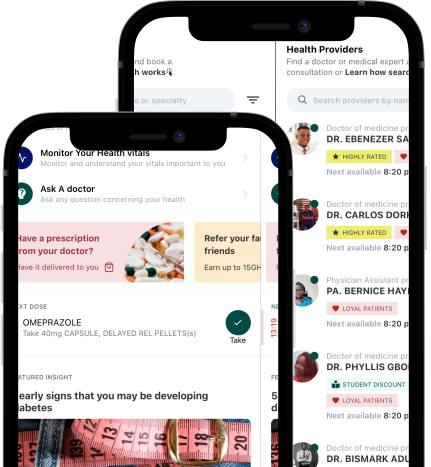
Get connected with local doctors. Instantly schedule appointments for Orthopedic Consultation (Ankle) on our HIPAA-compliant, telehealth-enabled platform.
Our guides are reviewed by internal medical advisory boards to uphold patient guidelines and reference certified therapies.
Your doctor is only an appointment away.
Feeling unwell? Our friendly healthcare professionals are here to listen, advise, and care for you. Just open the app for quick, expert help. No stress, no fuss.