Understanding Pediatric Eye Problem
Eye problems in children are very common and can affect how your child sees, learns, and plays. As a parent or caregiver, you may notice your child's eyes looking red, watery, or different from usual, or your child may complain that things look blurry or that their eyes hurt. Bringing your child to see a doctor early can help protect their eyesight and make sure any problem is treated before it gets worse.
Common Symptoms / Concerns for Pediatric Eye Problem
When to Seek Professional Care
Book an evaluation with a healthcare provider immediately if you experience or present with:
- Sudden loss of vision in one or both eyes
- Eye injury from a sharp object, stick, or chemical
- Severe eye pain that does not go away
- The white part of the eye turns very red and the child cannot open it
- A white or cloudy spot visible in the pupil (the dark centre of the eye)
- Eyelids are very swollen and the child has a high fever
- Child's eye is bulging or sticking out more than usual
- No improvement after two days of treatment for an eye infection
What to Expect During Your Medical Consultation
When you bring your child to the doctor for an eye problem, the doctor will ask you questions about what you have noticed, how long it has been happening, and whether your child has had any injury or illness. The doctor will then gently examine your child's eyes, check how well they can see, and look for signs of infection, injury, or other problems. Depending on what they find, they may prescribe eye drops or medicine, or refer you to an eye specialist for further tests — and they will explain everything to you in a way that is easy to understand.
Medical Divisions Vetted for Pediatric Eye Problem
Our platform supports multiple clinical specialties capable of providing consultations for this visit type:
Optometrist
Clinicians available for pediatric eye problem consultations.
Eye Doctor
Clinicians available for pediatric eye problem consultations.
Related Conditions
Conditions commonly associated with Pediatric Eye Problem consultations:
Apollo
Also known as: pink eye, Apollo, Conjunctivitis
Frequently Asked Questions
What are the most common causes of eye problems in children?
In Ghana and West Africa, common causes of eye problems in children include infections like conjunctivitis (red eye), which can spread easily in schools and crowded places. Vitamin A deficiency is also a major cause and can seriously damage a child's vision if not treated. Injuries from dust, sand, or sharp objects are common too, especially in children who play outdoors.
Are home remedies safe to use for my child's eye problem?
Most home remedies — such as putting breast milk, herbs, or leaves in the eye — are not safe and can make the problem worse or cause serious infection. It is best to avoid putting anything in your child's eye unless a doctor has told you to. If your child's eye is red, swollen, or painful, see a health worker as soon as possible.
When should I take my child to see a doctor instead of waiting at home?
You should see a doctor right away if your child's eye is very red, swollen, or producing a lot of discharge, or if your child is in pain or cannot open their eye. Also go to a clinic if your child's vision seems blurry, if they are squinting a lot, or if one eye looks different from the other. Do not wait more than a day or two — eye problems in children can get worse quickly.
What treatments are available for children's eye problems?
Treatment depends on the cause of the problem. Eye infections are usually treated with antibiotic eye drops or ointment that a doctor or nurse will prescribe. If the problem is caused by poor nutrition, the doctor may give vitamin A supplements. Some conditions, like a squint or poor vision, may need glasses or a referral to an eye specialist.
How can I protect my child's eyes and prevent eye problems?
Make sure your child eats foods rich in vitamin A, such as carrots, sweet potatoes, eggs, and leafy green vegetables, to keep their eyes healthy. Teach your child to wash their hands regularly and avoid touching or rubbing their eyes, especially at school. Take your child for regular health check-ups so that any eye problem can be caught and treated early.
Schedule Consultations
Get connected with local doctors. Instantly schedule appointments for Pediatric Eye Problem on our HIPAA-compliant, telehealth-enabled platform.
Our guides are reviewed by internal medical advisory boards to uphold patient guidelines and reference certified therapies.
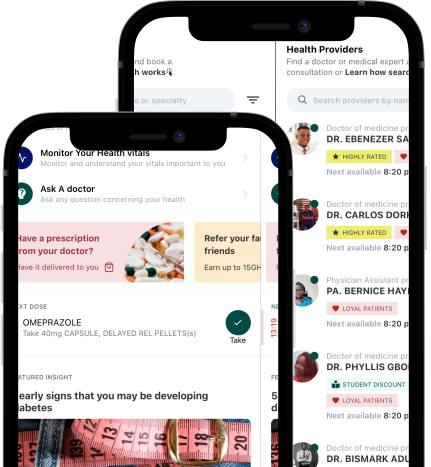
Your doctor is only an appointment away.
Feeling unwell? Our friendly healthcare professionals are here to listen, advise, and care for you. Just open the app for quick, expert help. No stress, no fuss.