Verified Health Resource

Understanding Post-Traumatic Stress Disorder (PTSD)

Post-Traumatic Stress Disorder (PTSD) is a mental health condition that can develop after a person goes through or witnesses a very frightening or distressing event, such as an accident, violence, loss of a loved one, or a natural disaster. People with PTSD may keep reliving the experience through flashbacks or nightmares, and may feel constantly on edge or emotionally numb. It is important to see a doctor or counsellor if these feelings are affecting your daily life, relationships, or ability to work.

Common Symptoms / Concerns for Post-Traumatic Stress Disorder (PTSD)

Repeated, unwanted memories or flashbacks of a traumatic event
Nightmares or disturbing dreams about what happened
Feeling as though the traumatic event is happening again
Avoiding people, places, or situations that remind you of the event
Feeling emotionally numb or disconnected from others
Difficulty sleeping or staying asleep
Feeling constantly alert, jumpy, or easily startled
Sudden outbursts of anger or irritability
Difficulty concentrating or remembering things
Feeling hopeless, guilty, or blaming yourself for what happened

When to Seek Professional Care

Book an evaluation with a healthcare provider immediately if you experience or present with:

  • Flashbacks or nightmares that are so intense they stop you from functioning day to day
  • Thoughts of harming yourself or ending your life
  • Using alcohol or drugs to cope with distressing memories
  • Complete withdrawal from family, friends, or work for more than two weeks
  • Feeling so fearful or on edge that you cannot leave your home
  • Children showing signs of trauma such as bedwetting, refusing to speak, or extreme clinginess after a distressing event
  • Hearing or seeing things that others cannot, or feeling completely out of touch with reality

What to Expect During Your Medical Consultation

When you visit a doctor or mental health professional for PTSD, they will ask you gently about the event or events that affected you, how long you have been experiencing these feelings, and how they are impacting your daily life. They may also ask about your sleep, mood, and any coping methods you are using. You will not be judged — the goal is to understand your experience so that the right support, whether counselling, therapy, or medication, can be offered to help you feel better.

Medical Divisions Vetted for Post-Traumatic Stress Disorder (PTSD)

Our platform supports multiple clinical specialties capable of providing consultations for this visit type:

Related Conditions

Conditions commonly associated with Post-Traumatic Stress Disorder (PTSD) consultations:

Erectile dysfunction (ED)

Also known as: Impotence, Difficulty getting or maintaining an erection, Erectile issues, Male sexual dysfunction, Erection problems

Tiredness

Also known as: loss of energy, malaise, tiredness

Mental health

Ethel

Ethel Obeng-Treve

350

per visit

Prime: ₵315

Accra5(1)
Today Highly Rated♥ Loyal PatientsVirtual

Mrs. Ethel Obeng-Treve is a registered Clinical Psychologist and consultant with a specialization working with children and adolescents. Her extensive training in both Ghana and the UK has provided her with a versatile skill set, enabling her to effectively support individuals from diverse cultural backgrounds. In this decade long career, she has successfully helped individuals navigate a range of emotional and behavioural challenges including anxiety, depression, trauma and developmental disorders. As the Executive Director of Fafanto Psych Organization, Ethel and her team of professionals are dedicated to promoting mental health and wellbeing, reducing the stigma associated with mental illness, and providing dependable mental health support through comprehensive assessments and interventions including therapy, counselling and family support programs. With a strong focus on collaboration, Ethel and her team, work with individuals, families, students and schools, serving as a counselor and consultant at various educational institutions to foster positive environment and psychological growth. Additionally, she and the team offer Employee Assistance Program (EAP) services offering guidance to numerous organizations, further extending their expertise and commitment to mental well-being

Next available — tue, Jul 21

Dorcas

Dorcas Ntiamoah

200

per visit

Prime: FREE

Accra4.8(5)
♥ Loyal PatientsVirtual

Clinical Health Psychologist|| Psycho-Oncologist|| Certified Cognitive Behavioural Therapist|| Psychological Educator A Licensed Clinical Health Psychologist with Ghana Psychological Council (GPC), a Certified Cognitive Behavioral Therapist with years of experience in performing clinical interview and psychological assessment, psychological testing, scoring and interpretation, diagnosing of psychological conditions and providing psychotherapy. Highly Patient Centered.

Next available — wed, Jul 22

Andrew

Andrew Decker

250

per visit

Prime: ₵225

Accra
Virtual

Neuroscience informed clinical practice.

Next available — wed, Jul 22

Emefa

Emefa Amegah

200

per visit

Prime: ₵180

5(1)
Highly Rated♥ Loyal PatientsVirtual

Emefa is a Counselling Psychologist with experience across different age and professional work groups.

Next available — wed, Jul 22

Frequently Asked Questions

What causes PTSD?

PTSD is caused by experiencing or witnessing a deeply shocking or frightening event. Common causes include road accidents, physical or sexual violence, war, the sudden death of a loved one, or a serious illness. Not everyone who goes through a traumatic event will develop PTSD — it depends on many factors including personal history, support from family and community, and how severe the event was.

Can PTSD go away on its own without treatment?

For some people, symptoms may ease over time, especially with strong family and community support. However, for many people PTSD does not go away without proper help, and symptoms can get worse if left untreated. It is always better to speak to a doctor or counsellor early so you can get the right support and recover more quickly.

Are there home remedies or things I can do to help myself?

While professional treatment is important, there are things you can do at home to support your recovery. Talking to a trusted friend, family member, or pastor or imam about how you feel can help. Regular gentle exercise, maintaining a daily routine, and avoiding alcohol and drugs can also make a difference. However, these steps work best alongside professional care, not instead of it.

How is PTSD treated?

PTSD is treated with talking therapies such as counselling or cognitive behavioural therapy (CBT), which help you process what happened in a safe environment. In some cases, a doctor may also prescribe medication to help with anxiety, depression, or sleep problems. Treatment takes time, but many people do recover and go on to live full, healthy lives.

Can PTSD affect children, and how would I know?

Yes, children can develop PTSD after a frightening experience. Signs in children include bedwetting after being toilet trained, refusing to talk, nightmares, clinging to parents, losing interest in play, or acting out the traumatic event repeatedly. If you notice these signs in a child after a distressing event, it is important to speak to a doctor or school counsellor as soon as possible.

Schedule Consultations

Get connected with local doctors. Instantly schedule appointments for Post-Traumatic Stress Disorder (PTSD) on our HIPAA-compliant, telehealth-enabled platform.

Clinical Divisions
Clinical Governance

Our guides are reviewed by internal medical advisory boards to uphold patient guidelines and reference certified therapies.

Your doctor is only an appointment away.

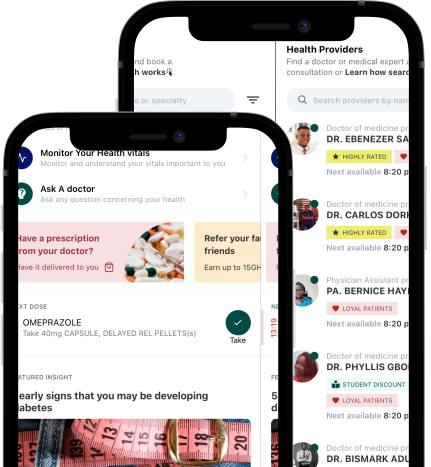
Feeling unwell? Our friendly healthcare professionals are here to listen, advise, and care for you. Just open the app for quick, expert help. No stress, no fuss.