Verified Health Resource

Understanding Rosacea

Rosacea is a long-term skin condition that causes redness, flushing, and sometimes small bumps on the face — it can look like a blush that does not go away. It is more common in people with lighter skin but can affect anyone, and it tends to come and go over time. If you notice ongoing redness or irritation on your face, seeing a doctor can help you understand what is causing it and how to manage it.

Common Symptoms / Concerns for Rosacea

Redness or flushing on the cheeks, nose, forehead, or chin
Skin that feels hot or burns easily
Small red bumps or pimple-like spots on the face
Visible small blood vessels on the skin surface
Dry, rough, or scaly patches on the face
Swollen or puffy skin, especially around the nose
Eyes that feel irritated, red, or watery
Skin that stings or itches after using certain products
Flare-ups triggered by sun, heat, or spicy food
Thickened or bumpy skin texture over time

When to Seek Professional Care

Book an evaluation with a healthcare provider immediately if you experience or present with:

  • Redness and swelling on the face that is getting worse despite home care
  • Eye pain, blurred vision, or severe eye redness alongside skin symptoms
  • Painful bumps or sores on the face that are not healing
  • Skin on the nose becoming very thick, enlarged, or disfigured
  • Flare-ups happening more frequently or lasting longer than usual
  • Skin symptoms spreading beyond the face to the neck or chest
  • Significant emotional distress or loss of confidence due to skin appearance

What to Expect During Your Medical Consultation

When you visit the doctor for rosacea, they will ask you some simple questions — such as how long you have had the redness, what seems to make it worse (like heat, spicy food, or sunlight), and how it affects your daily life. The doctor will then take a close look at the skin on your face to understand the condition better. Based on what they find, they may suggest a gentle skin cream, some lifestyle tips, or refer you to a skin specialist if needed — there is nothing to worry about, and help is available.

Medical Divisions Vetted for Rosacea

Our platform supports multiple clinical specialties capable of providing consultations for this visit type:

Related Conditions

Conditions commonly associated with Rosacea consultations:

Skin acne

Also known as: skin problem

Roseline

Roseline Osazuwa

300

per visit

Prime: ₵270

Accra5(2)
Highly Rated♥ Loyal PatientsVirtual

Dr. Roseline Osazuwa is an experienced Dermatologist who holds a MBBS from University of Portharcort  and a MScPD in Dermatology from Cardiff University with over 10 years experience treating both general and dermatology conditions. Dr. Roseline specializes in dermatology and Aesthetic Mediscine. She is an expert in the treatment of skin,hair and nail diseases including acne, eczema,hairloss, paediatric dermatology among others. She does aesthetic procedures such as Electrocautery, chemical peel, micro needling among others.  She is a member of the American Association of Aesthetic Medicine. 

Next available — thu, Jul 23

Frequently Asked Questions

What causes rosacea?

The exact cause of rosacea is not fully known, but it is linked to sensitive skin, genetics, and certain triggers like sun exposure, heat, spicy food, and stress. It is not caused by poor hygiene or a skin infection. Some people are simply more prone to it than others, and it tends to run in families.

Can I treat rosacea at home without seeing a doctor?

You can manage mild rosacea at home by avoiding known triggers like strong sunlight, hot drinks, and harsh skin products, and by using a gentle moisturiser and sunscreen daily. However, if your skin is not improving or the redness and bumps are getting worse, it is important to see a doctor. A doctor can prescribe creams or medicines that work much better than home remedies alone.

Is rosacea the same as acne?

Rosacea and acne can look similar because both can cause red bumps on the face, but they are different conditions. Rosacea usually comes with persistent redness and flushing, and it does not have blackheads like acne does. Using acne treatments on rosacea can sometimes make the skin worse, so it is important to get the right diagnosis from a doctor.

What treatment options are available for rosacea?

A doctor may prescribe a medicated cream or gel to reduce redness and bumps, and in some cases oral antibiotics for a short period. Avoiding personal triggers — such as sun, heat, alcohol, or spicy food — is also a key part of managing the condition. While there is no permanent cure, most people can control their symptoms well with the right treatment and lifestyle changes.

How can I prevent rosacea flare-ups?

The best way to prevent flare-ups is to identify and avoid your personal triggers, which may include direct sunlight, very hot weather, spicy foods, alcohol, or stress. Wearing a hat and applying sunscreen every day can make a big difference, especially in the West African climate. Using gentle, fragrance-free skin products and avoiding scrubbing your face harshly will also help keep your skin calm.

Schedule Consultations

Get connected with local doctors. Instantly schedule appointments for Rosacea on our HIPAA-compliant, telehealth-enabled platform.

Clinical Divisions
Clinical Governance

Our guides are reviewed by internal medical advisory boards to uphold patient guidelines and reference certified therapies.

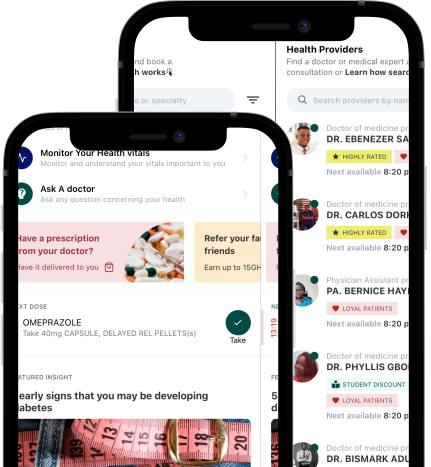
Your doctor is only an appointment away.

Feeling unwell? Our friendly healthcare professionals are here to listen, advise, and care for you. Just open the app for quick, expert help. No stress, no fuss.