Verified Health Resource

Understanding Seborrheic Keratosis

Seborrheic keratosis is a common, harmless skin condition that causes dark, rough, or waxy patches to appear on the skin — it is not cancer and cannot spread to others. Many people in Ghana and West Africa develop these growths as they get older, and they are nothing to be afraid of. You may want to visit a doctor if a patch is bothering you, changing in appearance, or if you are unsure whether it is something more serious.

Common Symptoms / Concerns for Seborrheic Keratosis

Dark brown, black, or tan patches on the skin
Rough or bumpy texture on the surface of the growth
Waxy or 'stuck-on' appearance, like a piece of wax on the skin
Round or oval-shaped spots that vary in size
Itching or mild irritation around the affected area
Patches that appear on the face, chest, back, or shoulders
Growths that feel slightly raised above the surrounding skin
Multiple spots appearing close together in one area

When to Seek Professional Care

Book an evaluation with a healthcare provider immediately if you experience or present with:

  • A growth that bleeds without being scratched or injured
  • A patch that is growing quickly or changing shape within a few weeks
  • A spot that becomes very painful, swollen, or warm to the touch
  • A growth that looks very different from your other skin patches
  • A sore that does not heal after several weeks
  • You are unsure whether the growth is seborrheic keratosis or something else
  • A patch that develops an unusual colour, such as red, white, or mixed shades

What to Expect During Your Medical Consultation

When you visit the doctor, they will look closely at your skin and ask you questions about when the patches first appeared and whether they have changed over time. The doctor may use a small magnifying tool to examine the growth more carefully, and in some cases they may take a tiny sample of skin to confirm the diagnosis. The appointment is straightforward and nothing to worry about — most of the time, the doctor can reassure you on the spot and discuss simple options if the growth is causing discomfort.

Medical Divisions Vetted for Seborrheic Keratosis

Our platform supports multiple clinical specialties capable of providing consultations for this visit type:

Related Conditions

Conditions commonly associated with Seborrheic Keratosis consultations:

Skin acne

Also known as: skin problem

Roseline

Roseline Osazuwa

300

per visit

Prime: ₵270

Accra5(2)
Highly Rated♥ Loyal PatientsVirtual

Dr. Roseline Osazuwa is an experienced Dermatologist who holds a MBBS from University of Portharcort  and a MScPD in Dermatology from Cardiff University with over 10 years experience treating both general and dermatology conditions. Dr. Roseline specializes in dermatology and Aesthetic Mediscine. She is an expert in the treatment of skin,hair and nail diseases including acne, eczema,hairloss, paediatric dermatology among others. She does aesthetic procedures such as Electrocautery, chemical peel, micro needling among others.  She is a member of the American Association of Aesthetic Medicine. 

Next available — thu, Jul 23

Frequently Asked Questions

What causes seborrheic keratosis?

Seborrheic keratosis is caused by the overgrowth of skin cells, and it tends to run in families. It is more common as people get older, so it is very normal to develop these growths with age. Sun exposure over many years may also play a role. It is not caused by any infection or poor hygiene.

Is seborrheic keratosis dangerous or a sign of cancer?

Seborrheic keratosis is not cancer and is not dangerous. These growths are completely harmless and do not turn into cancer. However, if a growth changes quickly in size, shape, or colour, or starts to bleed, it is a good idea to see a doctor to be sure.

Can seborrheic keratosis spread to other people?

No, seborrheic keratosis is not contagious at all. You cannot catch it from another person, and you cannot pass it on through touch or close contact. It is simply a natural change in the skin that happens over time.

Do home remedies work, or do I need to see a doctor?

Home remedies like shea butter, coconut oil, or herbal pastes will not remove seborrheic keratosis, but they can help keep the skin moisturised and reduce irritation. If a growth is itchy, painful, bleeding, or bothering you for cosmetic reasons, a doctor can safely remove it. You should also see a doctor if you are unsure whether a growth is seborrheic keratosis or something else.

Can I prevent seborrheic keratosis or stop it from spreading?

There is no guaranteed way to prevent seborrheic keratosis, since it is largely linked to age and genetics. Protecting your skin from too much sun by wearing hats or using sunscreen may help reduce the number of growths over time. New spots may appear as you get older, but this is normal and not a sign that anything is wrong.

Schedule Consultations

Get connected with local doctors. Instantly schedule appointments for Seborrheic Keratosis on our HIPAA-compliant, telehealth-enabled platform.

Clinical Divisions
Clinical Governance

Our guides are reviewed by internal medical advisory boards to uphold patient guidelines and reference certified therapies.

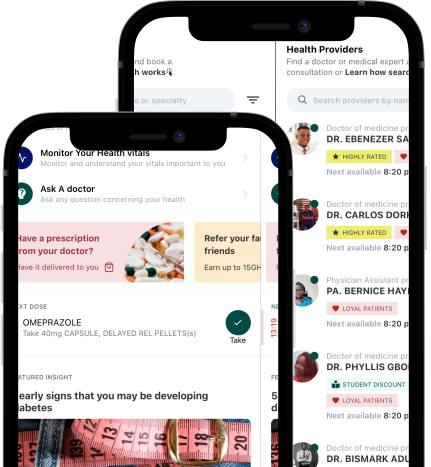
Your doctor is only an appointment away.

Feeling unwell? Our friendly healthcare professionals are here to listen, advise, and care for you. Just open the app for quick, expert help. No stress, no fuss.