Verified Health Resource

Understanding Skin Cancer Screening

Skin cancer screening is a check-up where a doctor examines your skin to look for unusual spots, moles, or growths that could be early signs of skin cancer. Although skin cancer is often thought to affect only fair-skinned people, it can and does occur in people of all skin tones, including those in Ghana and West Africa. Catching any changes early gives you the best chance of successful treatment.

Common Symptoms / Concerns for Skin Cancer Screening

A new mole or spot on the skin that was not there before
A mole or dark patch that is changing in size, shape, or colour
A sore or wound on the skin that does not heal after several weeks
A spot that bleeds easily or oozes without being scratched
A rough, scaly, or crusty patch of skin that keeps coming back
A dark streak or line under a fingernail or toenail
A shiny or waxy-looking lump on the skin
Itching, tenderness, or pain in a mole or skin spot
A flat, pale, or yellowish scar-like area on the skin
A spot with uneven edges or more than one colour

When to Seek Professional Care

Book an evaluation with a healthcare provider immediately if you experience or present with:

  • A mole or skin spot that has grown noticeably larger within a few weeks
  • Any skin sore that has not healed after four weeks of normal wound care
  • A spot that bleeds on its own or with very light touch
  • A dark or discoloured patch under a nail that is spreading
  • A lump or swelling under the skin near an unusual spot
  • A skin growth that is painful, very itchy, or feels hard to the touch
  • Any skin change that worries you, even if you are not sure it is serious

What to Expect During Your Medical Consultation

During a skin cancer screening, the doctor will ask you about any skin changes you have noticed and whether you have a family history of skin problems or cancer. They will then carefully examine your skin from head to toe, looking closely at moles, spots, and any areas of concern using a small magnifying light. If anything looks unusual, the doctor may take a small sample of skin (a biopsy) to be tested — this is a quick and straightforward procedure, and the doctor will explain every step before they begin.

Medical Divisions Vetted for Skin Cancer Screening

Our platform supports multiple clinical specialties capable of providing consultations for this visit type:

Related Conditions

Conditions commonly associated with Skin Cancer Screening consultations:

Skin acne

Also known as: skin problem

Roseline

Roseline Osazuwa

300

per visit

Prime: ₵270

Accra5(2)
Highly Rated♥ Loyal PatientsVirtual

Dr. Roseline Osazuwa is an experienced Dermatologist who holds a MBBS from University of Portharcort  and a MScPD in Dermatology from Cardiff University with over 10 years experience treating both general and dermatology conditions. Dr. Roseline specializes in dermatology and Aesthetic Mediscine. She is an expert in the treatment of skin,hair and nail diseases including acne, eczema,hairloss, paediatric dermatology among others. She does aesthetic procedures such as Electrocautery, chemical peel, micro needling among others.  She is a member of the American Association of Aesthetic Medicine. 

Next available — thu, Jul 23

Frequently Asked Questions

Can dark-skinned people in Ghana get skin cancer?

Yes, skin cancer can affect people of all skin tones, including those with dark skin. While darker skin provides some natural protection from the sun, it does not make you immune. Skin cancer in people with dark skin is often found on areas that receive less sun, such as the palms, soles of the feet, and under the nails, so it is important to check these areas regularly.

What causes skin cancer?

Skin cancer is mainly caused by damage to skin cells over time. The most common cause is too much exposure to ultraviolet (UV) rays from the sun. Other factors include a family history of skin cancer, having many moles, a weakened immune system, or previous skin injuries and scars. Spending long hours outdoors without sun protection increases your risk.

Can I treat a suspicious skin spot at home?

No home remedy can treat or remove skin cancer safely. If you notice a spot that is changing, bleeding, or not healing, you should see a doctor as soon as possible rather than trying to treat it yourself. Early medical attention gives the best chance of a good outcome, and delaying care can allow the condition to become more serious.

How is skin cancer treated?

The most common treatment is surgery to remove the affected area of skin, which is often done under local anaesthetic as a simple procedure. Depending on the type and stage of skin cancer, the doctor may also recommend radiation therapy or medication. When skin cancer is caught early, treatment is usually straightforward and very effective.

How can I protect myself from skin cancer?

You can reduce your risk by applying sunscreen with SPF 30 or higher when spending time outdoors, wearing protective clothing such as long sleeves and a hat, and avoiding the midday sun when UV rays are strongest. Check your skin regularly for any new or changing spots, and visit a doctor for a screening if you notice anything unusual. Early detection is the most powerful protection you have.

Schedule Consultations

Get connected with local doctors. Instantly schedule appointments for Skin Cancer Screening on our HIPAA-compliant, telehealth-enabled platform.

Clinical Divisions
Clinical Governance

Our guides are reviewed by internal medical advisory boards to uphold patient guidelines and reference certified therapies.

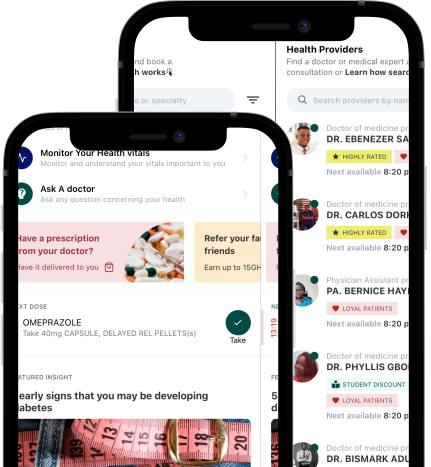
Your doctor is only an appointment away.

Feeling unwell? Our friendly healthcare professionals are here to listen, advise, and care for you. Just open the app for quick, expert help. No stress, no fuss.