Elikem Debrah
₵200
per visit
Prime: ₵180
Cape Coast5(1)
Highly RatedVirtual
A physiotherapist who believes Motion is Life
Next available — tue, Oct 20

Sports physical therapy helps people who have been hurt while playing sport, exercising, or doing physical work — and it also helps athletes perform better and avoid injury. A trained therapist will look at how your body moves, find the source of your pain or weakness, and guide you through exercises and treatment to help you recover. Whether you play football on weekends or train every day, sports physical therapy is for anyone who wants to get back to moving well and feeling strong.
Book an evaluation with a healthcare provider immediately if you experience or present with:
When you come for your first sports physical therapy appointment, the therapist will ask you questions about your injury — how it happened, where it hurts, and what makes it better or worse. They will then gently examine the affected area, checking your movement, strength, and flexibility to understand what is going on. From there, they will explain what they found in simple terms and work with you on a treatment plan — which may include hands-on therapy, guided exercises, and advice on how to recover safely and prevent the problem from coming back.
Our platform supports multiple clinical specialties capable of providing consultations for this visit type:
Clinicians available for sports physical therapy consultations.
₵200
per visit
Prime: ₵180
A physiotherapist who believes Motion is Life
Next available — tue, Oct 20
Sports physical therapy is a type of treatment that helps people recover from injuries caused by exercise, sports, or physical activity. A trained therapist uses exercises, massage, and other techniques to reduce pain and restore movement. It is suitable for both professional athletes and everyday people who stay active.
Anyone who has been injured while playing sports, exercising, or doing physical work can benefit from sports physical therapy. This includes footballers, runners, gym-goers, and even people who do heavy manual labour. You do not have to be a professional athlete to seek this type of care.
Recovery time depends on the type and severity of your injury. Minor sprains or muscle strains may heal within a few weeks, while more serious injuries like torn ligaments can take several months. Your therapist will give you a personalised plan and update it as you improve.
Some exercises and techniques may cause mild discomfort, especially in the early stages of treatment, but they should not be severely painful. Your therapist will always work within your comfort level and adjust the treatment if needed. It is important to tell your therapist if anything feels too painful so they can modify your care.
You can reduce your risk of injury by warming up properly before exercise and cooling down afterwards. Wearing the right footwear and protective gear for your sport also makes a big difference. A sports physical therapist can teach you safe movement techniques and design a strengthening programme to keep your body resilient.
Get connected with local doctors. Instantly schedule appointments for Sports Physical Therapy on our HIPAA-compliant, telehealth-enabled platform.
Our guides are reviewed by internal medical advisory boards to uphold patient guidelines and reference certified therapies.
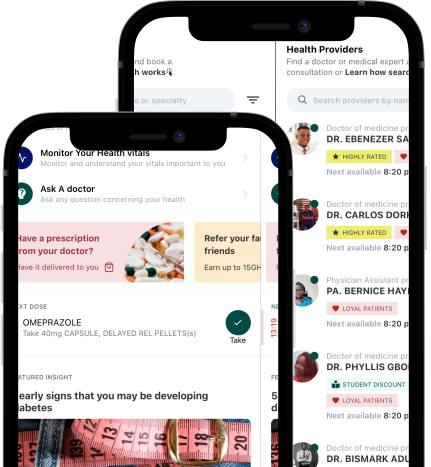
Feeling unwell? Our friendly healthcare professionals are here to listen, advise, and care for you. Just open the app for quick, expert help. No stress, no fuss.