

What Is the Avocado Seed, and Why Are People Talking About It?
The avocado seed (also called the avocado pit or stone) is the large, hard kernel found at the centre of the Persea americana fruit. While most people discard it without a second thought, the avocado seed makes up roughly 13–16% of the entire fruit by weight and is packed with bioactive compounds, including polyphenols, flavonoids, dietary fibre, and fatty acids, that have attracted serious scientific interest. In short, the health benefits of avocado seed range from antioxidant and anti-inflammatory activity to potential support for heart health, blood sugar regulation, and even antimicrobial defence. However, it is important to understand both the promise and the current limitations of this research before adding avocado seed to your diet.
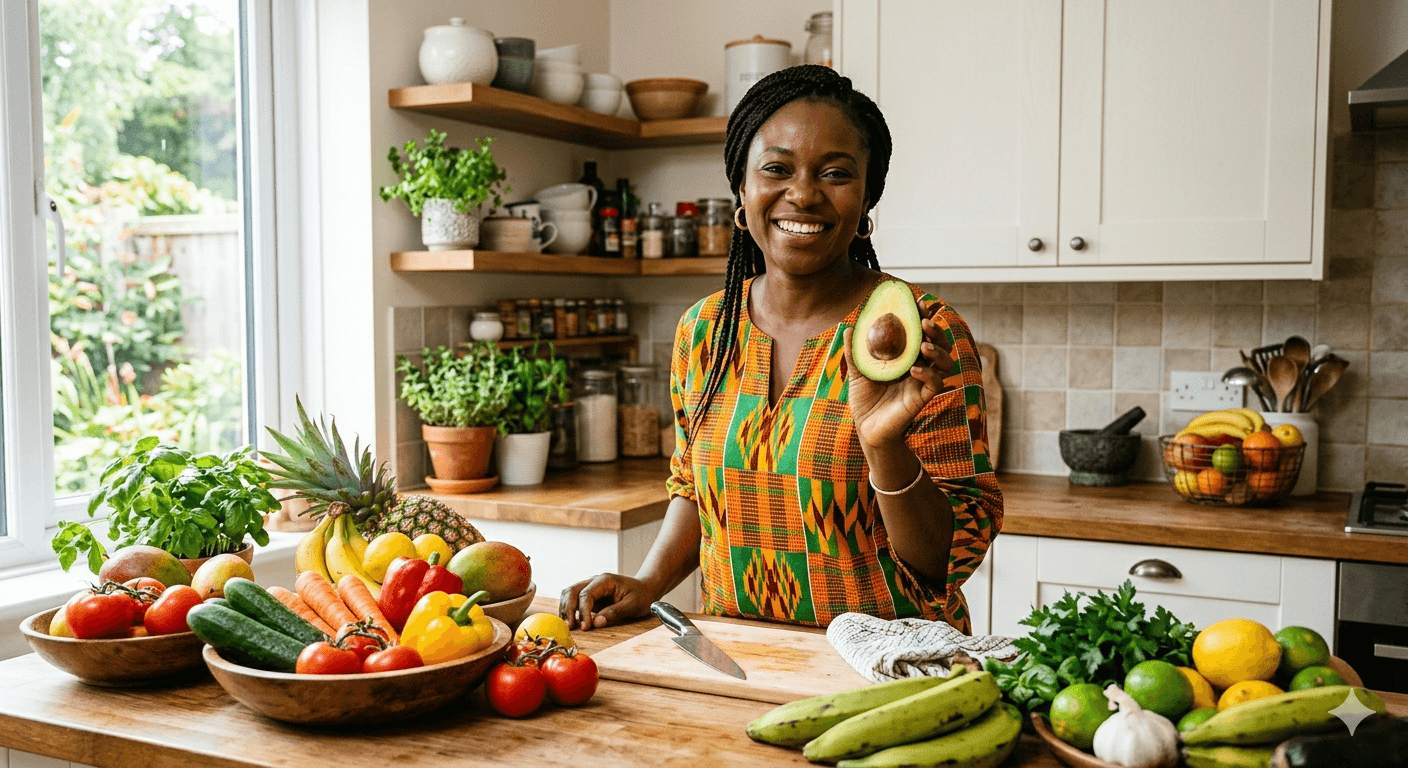
In Ghana and across West Africa, avocados are widely grown and enjoyed. Local communities have long used various parts of the avocado tree, including the seed, in traditional remedies. Modern science is now beginning to validate some of these age-old uses.
Key Takeaways
- The avocado seed is rich in polyphenols, dietary fibre, and flavonoids that may offer real health benefits.
- Research suggests it has anti-inflammatory, antioxidant, cholesterol-lowering, and antimicrobial properties.
- Penn State University researchers found that crushed avocado seed extract exhibits potent anti-inflammatory activity.
- The seed is not yet widely considered safe for direct consumption; most evidence comes from animal or cell-culture studies.
- Consult a healthcare provider before using avocado seed supplements or powder.
What Is Inside the Avocado Seed? A Nutritional Profile
The avocado seed is one of the richest known plant sources of soluble dietary fibre, containing more fibre by weight than the fruit flesh itself. Beyond fibre, scientists have identified a wide range of biologically active compounds in the seed, including:
- Polyphenols and flavonoids — natural antioxidants that neutralise free radicals and reduce cellular damage
- Proanthocyanidins (condensed tannins) — powerful anti-inflammatory and antimicrobial agents
- Fatty acids — including oleic and linoleic acid, similar to those found in the fruit flesh
- Phytochemicals — such as catechins, quercetin, and epicatechin
- Minerals — calcium, magnesium, and potassium
Research published in the journal Molecules confirms that "phenolic compounds are vital in defence responses, such as anti-aging, anti-inflammatory, antioxidant and anti-proliferative activities," making the avocado seed a potentially valuable source of these plant compounds. (California Avocado Commission)
6 Evidence-Based Health Benefits of Avocado Seed
1. Potent Antioxidant Activity
The avocado seed contains significantly higher levels of antioxidants than the fruit flesh. Antioxidants protect your cells from oxidative stress, the damage caused by unstable molecules called free radicals, which is linked to ageing, heart disease, cancer, and chronic inflammation. Studies show avocado seed extract has strong free-radical scavenging ability, potentially surpassing green tea in antioxidant concentration in some measures.
2. Anti-Inflammatory Properties
One of the most studied health benefits of avocado seed is its capacity to reduce inflammation. Researchers at Penn State University crushed avocado seeds to produce a bright orange extract and tested it against enzymes known to drive inflammatory responses. Their findings, published in Advances in Food Technology and Nutritional Sciences, showed that the extract "exhibited anti-inflammatory properties" and represents "a potential source for novel anti-inflammatory compounds that could be developed as a functional food ingredient or pharmaceuticals." (ScienceDaily)
Chronic low-grade inflammation is a root driver of many common diseases, including diabetes, heart disease, and arthritis, making this finding especially significant for Ghanaians who carry a high burden of these conditions.

3. Heart Health and Cholesterol Management
Dietary fibre and polyphenols in the avocado seed may support cardiovascular health by helping to lower LDL ("bad") cholesterol and blood pressure. Animal studies have observed meaningful reductions in cholesterol when subjects consumed avocado seed flour at doses of 125–500 mg/kg body weight. (eMediHealth)
Researchers at Penn State also noted that "avocado seeds may improve hypercholesterolaemia, and be useful in the treatment of hypertension, inflammatory conditions and diabetes." (Dr. Axe) If you are managing high blood pressure, be sure to also read about ways to lower your blood pressure through lifestyle changes.
A 2023 systematic review published in PubMed further confirmed that avocados as a whole, rich in monounsaturated fatty acids (MUFAs), fibre, and plant sterols, have measurable cholesterol-lowering effects. (PubMed)
4. Blood Sugar Regulation
Animal studies have found that avocado seed extract may help reduce blood sugar levels by improving cellular glucose uptake and reducing the oxidative damage and inflammation associated with diabetes. (eMediHealth) The high soluble fibre content also slows glucose absorption in the gut, which can help prevent blood sugar spikes after meals.
For those living with or at risk of diabetes, check out our guide to complications of diabetes and how to avoid them for actionable prevention strategies.
5. Antimicrobial and Antifungal Activity
Traditional communities, including Ghanaians, have long used avocado seed decoctions to treat gut infections, diarrhoea, and fungal conditions. Science is beginning to confirm why. The condensed tannins (proanthocyanidins) and other phytochemicals in the seed have demonstrated activity against a range of bacteria, fungi, and even parasites in laboratory settings. (Drugs.com)
Research has shown that avocado seeds "possess insecticidal, fungicidal, and anti-microbial activity," suggesting potential applications in both medicine and food preservation. Researchers have noted that, historically, the Aztec and Maya cultures also used avocado seed decoctions to treat "mycotic and parasitic infections, diabetes, inflammation, and gastrointestinal irregularity." (Medical News Today)
6. Anti-Cancer Potential (Preliminary Research)
Among the most exciting, though still early, findings is the potential for avocado seed compounds to exhibit anti-cancer activity. Laboratory studies using animal and human cell lines found that biologically active components of avocado seeds showed "anticancer potential against prostate, lung, breast and colon cancers as well as hepatocellular carcinoma." (California Avocado Commission)
Researchers studying the avocado seed husk found chemical compounds that could help combat heart problems, kill viruses, and "eventually be used to treat cancer, heart disease, and other conditions." (Medical News Today) It is critical to emphasise that these are early-stage findings, they do not mean eating avocado seeds will prevent or treat cancer.
Is the Avocado Seed Safe to Eat?
This is where scientific caution is essential. Despite the promising research, there is currently no consensus that avocado seeds are safe for regular human consumption. Key concerns include:
- Limited human trials — most evidence comes from animal studies and laboratory cell cultures, not clinical trials in people.
- Potential toxicity — the seed contains compounds (such as trypsin inhibitors and certain tannins) that may be harmful in large doses.
- Preparation challenges — the raw seed is very hard; improper processing can be hazardous.
- Official guidance — the California Avocado Commission and many nutrition bodies advise against eating the seed, stating there is not enough evidence of safety to recommend it.
If you do choose to try avocado seed powder, which involves drying, peeling, and grinding the pit, consume only very small quantities and preferably under the guidance of a qualified nutrition professional.
When Should You See a Doctor?
You should consult a healthcare professional if:
- You are considering avocado seed supplements and have an existing health condition (diabetes, hypertension, liver disease)
- You experience any adverse reactions after consuming avocado seed powder (nausea, abdominal pain, allergic symptoms)
- You are pregnant or breastfeeding
- You take medications that may interact with high-antioxidant or fibre-rich supplements
A nutrition specialist or internal medicine doctor can give you personalised guidance, and you can connect with one conveniently through DrDoGood's virtual consultation platform. To make the most of any health appointment, read our guide on the top 8 questions to ask during your virtual doctor visit.
Practical Ways to Use Avocado Seed
If you're keen to explore the benefits, here are some low-risk approaches used by health enthusiasts:
1. Avocado seed tea — Dry the seed, grate a small amount, and steep in hot water for 5–10 minutes. This is a traditional use in several cultures.
2. Smoothie powder — Dry and grind the seed into a fine powder and add a small amount (¼–½ teaspoon) to smoothies.
3. Skin & hair care — Ground avocado seed powder can be used as a gentle exfoliant in homemade face scrubs, reducing direct ingestion concerns entirely.
4. Food preservation — Avocado seed extract shows promise as a natural food preservative due to its antioxidant and antimicrobial properties.
Always source clean, pesticide-free avocados if you plan to use the seed.
The Bottom Line
The health benefits of avocado seed are genuinely exciting, it is one of the most antioxidant-rich, fibre-dense, and bioactive parts of a fruit you probably already enjoy. Research, particularly from Penn State University and various international laboratories, points to real potential in reducing inflammation, supporting heart health, managing blood sugar, and even fighting harmful microbes. At the same time, the safety profile for human consumption has not been fully established, and official health bodies advise caution.
The wisest approach? Enjoy the proven benefits of the avocado fruit flesh, stay informed about emerging research, and speak with a healthcare provider before adding avocado seed to your diet in any significant way. DrDoGood makes it easy to get expert nutritional advice from the comfort of your home.
This article is for informational purposes only. Always consult a qualified healthcare provider before making health decisions.