Who is a Internal Medicine Doctor?
An Internal Medicine Doctor — also called an Internist — is a specialist who focuses on preventing, diagnosing, and treating diseases that affect adults. They are trained to manage a wide range of health conditions, from common illnesses like diabetes and high blood pressure to more complex problems involving the heart, lungs, kidneys, and other organs. If you are an adult dealing with a long-term health condition, unexplained symptoms, or multiple health problems at once, an Internist is the right doctor to see.
Duties and Responsibilities of a Internal Medicine Doctor
When to See a Internal Medicine Doctor
You should consider booking an consultation if you are experiencing any of the following symptoms or conditions:
- Persistent fever lasting more than 3 days with no clear cause
- Unexplained weight loss over a short period of time
- High blood pressure that is difficult to control
- Blood sugar levels that are too high or hard to manage
- Ongoing tiredness or weakness that does not improve with rest
- Chest pain or shortness of breath during daily activities
- Swelling of the legs, feet, or ankles
- Frequent urination, excessive thirst, or changes in urine colour
- Managing two or more long-term health conditions at the same time
- Needing a thorough health check-up as an adult
Conditions & Visit Reasons
Select a specific condition to learn more or search for specialists offering directed therapy plans:
Conditions Treated
Common conditions that a Internal Medicine Doctor can diagnose, manage, or treat:
Headache
Also known as: cephalgia, dolor capitis, ha, head ache, head pain
Cough
Fever
Also known as: elevated temperature, febrile illness, feverish
Tiredness
Also known as: loss of energy, malaise, tiredness
Vomiting
Types of Internal Medicine Doctor Specialists
Cardiology
Focuses on heart and blood vessel conditions such as heart failure, chest pain, and irregular heartbeat.
Endocrinology
Deals with hormone-related conditions including diabetes, thyroid disorders, and hormonal imbalances.
Gastroenterology
Specialises in diseases of the digestive system, including the stomach, intestines, and liver.
Nephrology
Focuses on kidney diseases, kidney failure, and conditions that affect kidney function.
Pulmonology
Manages lung and breathing conditions such as asthma, chronic cough, and tuberculosis.
Rheumatology
Treats joint, muscle, and autoimmune conditions such as arthritis and lupus.
Infectious Disease
Specialises in diagnosing and treating infections caused by bacteria, viruses, parasites, and fungi.
Haematology
Focuses on blood disorders including anaemia, sickle cell disease, and clotting problems.
What to Expect at Your Appointment
At your first visit, the Internist will ask you about your symptoms, your medical history, and any medications you are currently taking, so it helps to bring a list. They will carry out a physical examination — checking your blood pressure, heart, lungs, and abdomen — and may request blood tests or other investigations to get a clearer picture of your health. The appointment is a calm, thorough process, and the doctor will explain their findings and next steps in a way that is easy to understand.
Training & Education Credentials
An Internal Medicine Doctor completes a medical degree (MBChB or equivalent) followed by several years of specialist residency training in internal medicine. In Ghana and West Africa, they may hold postgraduate qualifications such as the Fellowship of the Ghana College of Physicians and Surgeons (FGCP) or the Fellowship of the West African College of Physicians (FWACP).
Frequently Asked Questions
How much does it cost to see an Internal Medicine Doctor in Ghana?
The cost of seeing an Internist in Ghana varies depending on whether you visit a government hospital, a private clinic, or a specialist centre. At public hospitals, fees are generally lower and may be covered partly by the National Health Insurance Scheme (NHIS). Private specialist consultations typically cost more, so it is a good idea to call ahead and ask about fees before your appointment.
What should I bring to my first appointment with an Internist?
Bring any previous medical records, laboratory results, or hospital discharge letters you have. It also helps to write down a list of all the medications you are currently taking, including dosages, as well as a summary of your symptoms and how long you have had them. If you have a referral letter from another doctor, bring that too.
Do I need a referral to see an Internal Medicine Doctor?
In many public hospitals in Ghana, you may need a referral from a general practitioner or a primary health facility before seeing a specialist. However, at private clinics and specialist centres, you can often book an appointment directly without a referral. It is best to check with the specific hospital or clinic beforehand.
When should I go to the emergency room instead of booking an appointment?
Go to the emergency room immediately if you experience severe chest pain, difficulty breathing, sudden weakness or numbness on one side of the body, loss of consciousness, or very high blood sugar with vomiting. These are warning signs that need urgent attention and should not wait for a scheduled appointment. When in doubt, it is always safer to seek emergency care first.
Can an Internist treat my diabetes and high blood pressure together?
Yes — this is one of the key strengths of an Internal Medicine Doctor. They are specially trained to manage multiple long-term conditions at the same time, so they can oversee your diabetes, blood pressure, and any other related health issues in a coordinated way. They will also monitor how your medications interact with each other to keep you as healthy as possible.
Book a Internal Medicine Doctor
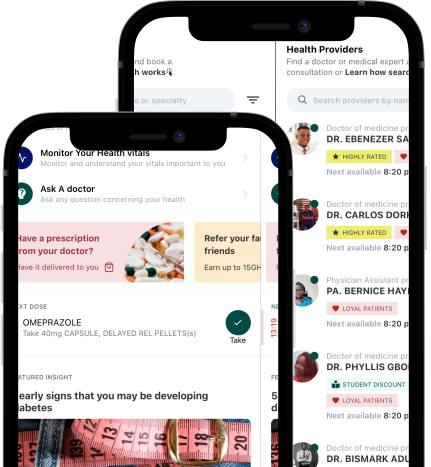
Find verified board-certified Internal Medicine Doctors on DrDoGood. Compare reviews, check real-time availability, and schedule your appointment online.
All practitioners on DrDoGood are thoroughly vetted for credentials, licensing, and patient satisfaction histories.
Your doctor is only an appointment away.
Feeling unwell? Our friendly healthcare professionals are here to listen, advise, and care for you. Just open the app for quick, expert help. No stress, no fuss.