Ozempic 101
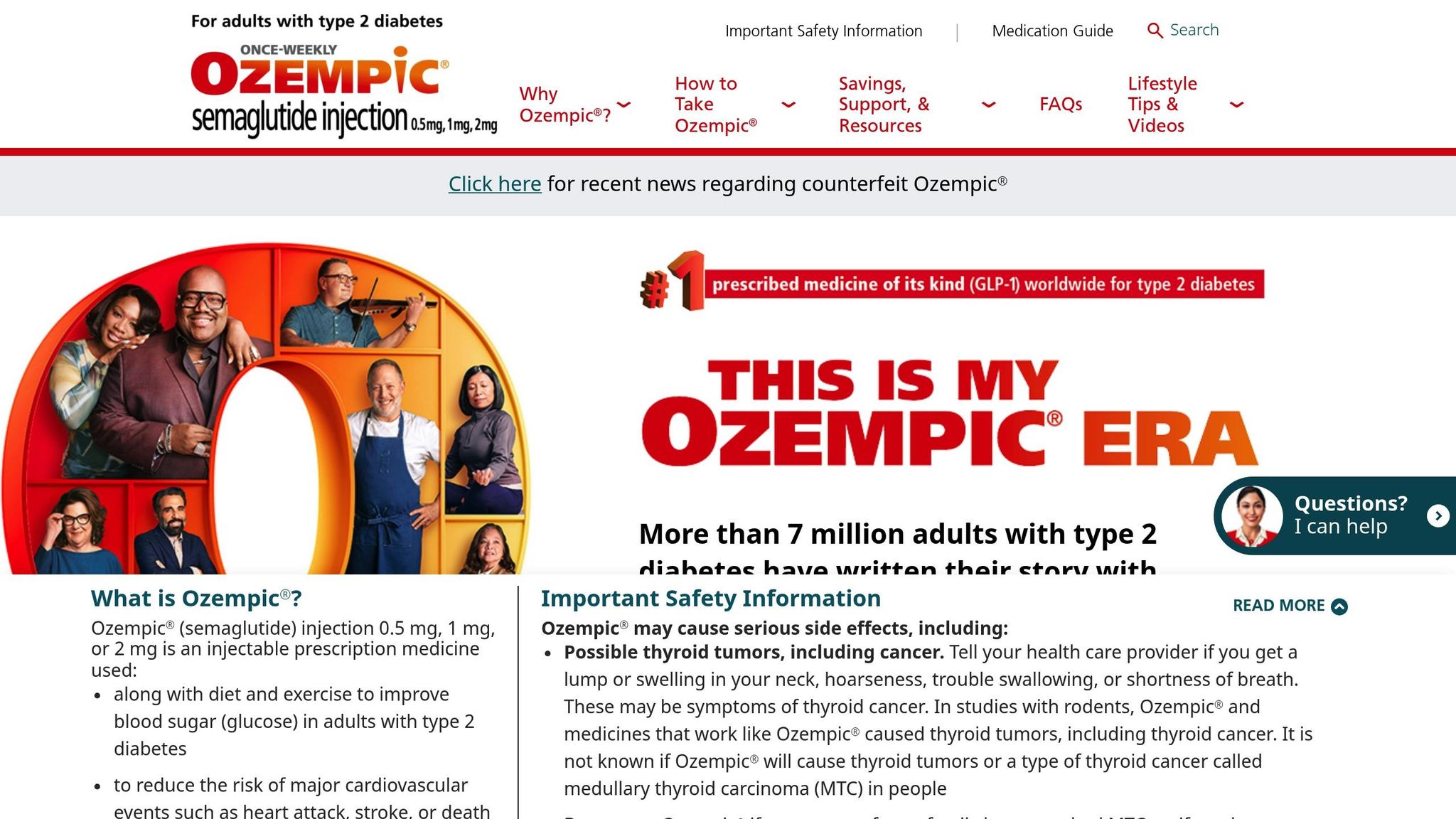
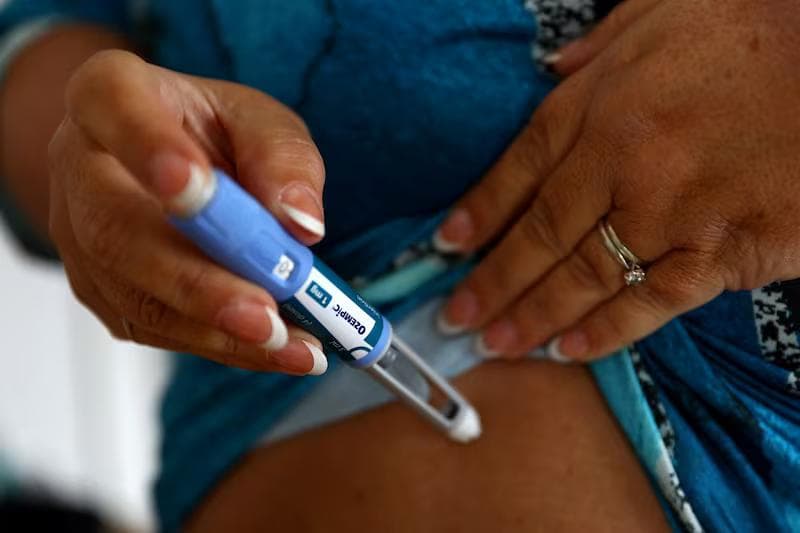
Ozempic (semaglutide) is a weekly injection used to manage type 2 diabetes and support weight loss. It works by mimicking the GLP-1 hormone, which helps regulate blood sugar, reduce appetite, and slow digestion. Over 7 million people globally use it alongside diet and exercise for better diabetes control and heart health. Here's what you need to know:
- Blood Sugar Control: Reduces HbA1c levels by up to 2.1%.
- Weight Loss: Patients may lose 10–20% of body weight within 6–12 months.
- Heart and Kidney Benefits: Lowers risks of cardiovascular events and kidney complications.
- Dosage: Starts at 0.5 mg weekly, with possible increases to 2.0 mg.
- Side Effects: Common ones include nausea, diarrhoea, and constipation, which often improve over time.
Ozempic is not suitable for type 1 diabetes, thyroid issues, or severe digestive conditions. In Ghana, DrDoGood offers convenient access to Ozempic, with virtual consultations starting at ₵45 and monthly plans from ₵100. Proper storage and regular medical check-ups are essential for safe use.
The Science Behind Ozempic
Blood Sugar Control
Ozempic plays a crucial role in managing blood sugar levels for individuals with type 2 diabetes. It mimics _GLP-1_ (glucagon-like peptide-1), a hormone that prompts the pancreas to release insulin after meals. This mechanism increases insulin production while simultaneously reducing glucagon secretion, which helps limit the liver's glucose output \[3\].
> "Ozempic improves blood sugar levels by helping the pancreas release insulin and limiting the release of sugar into the bloodstream." - Ayesha Gulzar, PharmD \[3\]
Clinical studies reveal that patients who take the maximum approved dose of 2 mg weekly can see an average HbA1c reduction of 2.1% \[4\]. But Ozempic's benefits don’t stop there - it also has a notable impact on weight management.
Weight Management Effects
Beyond controlling blood sugar, Ozempic helps with weight management by influencing appetite. It targets areas in the brain responsible for hunger and the feeling of fullness \[5\]. Research indicates that it reduces energy intake during lunch by 35% and daily calorie consumption by 24%. On average, patients experience a weight loss of 5.0 kg, with studies showing three times more fat loss compared to lean mass reduction \[6\].
Usage and Storage
To ensure Ozempic retains its effectiveness, proper usage and storage are key. Before its first use, it should be stored at temperatures between 2°C and 8°C. Once opened, it can be kept at room temperature (up to 30°C) for a maximum of 56 days.
The dosing schedule typically begins with 0.5 mg weekly. After four weeks, the dose is increased to 1.0 mg, and it can go up to 2.0 mg if necessary. Your doctor may also adjust other diabetes medications to reduce the risk of hypoglycaemia \[4\].
Ozempic is a game-changer. Here’s how it works.
::: @iframe https://www.youtube.com/embed/laPaezEsteI :::
Who Can Use Ozempic
This section focuses on who may benefit from Ozempic, outlining the medical criteria and specific considerations for managing diabetes in Ghana.
Medical Requirements
Ozempic is prescribed for adults living with type 2 diabetes to help regulate blood sugar levels when combined with diet and exercise \[2\]. Research shows it not only improves blood sugar control but also aids in weight loss \[2\]. Additionally, Ozempic may lower the risk of heart-related events in patients with existing heart conditions and slow the progression of chronic kidney disease \[2\].
Health Restrictions
Certain medical conditions may limit the use of Ozempic. Below is a quick guide to these restrictions:
| Condition | Restriction Details | | --- | --- | | Thyroid Issues | Should not be used if there’s a personal or family history of medullary thyroid carcinoma (MTC) or MEN 2 \[7\]. | | Pancreatic Conditions | Not recommended for individuals with a history of pancreatitis \[3\]. | | Diabetes Type | Ozempic is not suitable for type 1 diabetes or diabetic ketoacidosis \[3\]. | | Vision Problems | Caution is advised for those with diabetic retinopathy \[7\]. | | Digestive Issues | Avoid if you have severe gastroparesis or major digestive complications \[8\]. |
Understanding these restrictions is key to ensuring safe and effective use of the medication.
Lifestyle Factors in Ghana
Managing diabetes effectively in Ghana requires more than medication - it involves adapting treatment to local lifestyle habits and routines.
Dietary Considerations
- Traditional Ghanaian meals often include carbohydrate-heavy staples like yam, plantain, and rice. These foods may need portion adjustments to maintain stable blood sugar levels.
- Research indicates that many Ghanaian patients consume fewer sugary beverages and fast foods compared to global averages \[9\].
- Monitoring blood sugar levels is especially important during cultural festivities, where food consumption may increase significantly.
Physical Activity Patterns
- Urban living in Ghana often leads to reduced physical activity, which can impact diabetes management. Incorporating regular exercise into daily routines is essential.
- Engaging in activities like walking, dancing, or gardening can support weight control and improve overall treatment results.
To achieve the best outcomes, patients should collaborate with their healthcare team to create a plan that addresses their medical needs while considering these local dietary and activity patterns.
Health Improvements with Ozempic
Blood Sugar Results
Ozempic has proven to be highly effective in helping patients manage their blood sugar levels. In a 30-week clinical trial, 73% of patients using the 0.5 mg dose achieved an HbA1c level of 7% or below - a significant milestone in diabetes management\[10\]. On average, patients saw reductions in HbA1c levels ranging from 1.4% to 2.1% during the study\[2\].
Weight Loss Results
Beyond blood sugar control, Ozempic also aids in weight management. Clinical observations reveal the following typical weight loss outcomes:
| Duration | Typical Weight Loss Results | | --- | --- | | 6 months | 10–15% of body weight | | 12 months | 15–20% of body weight | | Long-term | Up to 30% for some patients\[11\] |
Dr. Marc Bessler, Chief of Minimal Access/Bariatric Surgery, emphasises the impact of medications like Ozempic, stating:
> "It's opened up people's eyes to obesity as a disease now that there's effective medication for it."\[11\]
In addition to weight and metabolic improvements, Ozempic contributes to better heart health.
Heart Health Benefits
Ozempic's benefits extend to cardiovascular health, making it a valuable option for individuals with type 2 diabetes who are also at risk of heart disease. Research highlights two critical advantages:
- Lower Risk of Cardiovascular Events
Studies show that Ozempic reduces the likelihood of major cardiovascular events, such as heart attacks, strokes, and deaths linked to heart disease\[2\].
- Improved Vascular Health
Ozempic may also enhance overall heart health by reducing inflammation and improving the function of blood vessels\[12\].
These benefits underline Ozempic's role in managing type 2 diabetes and its complications. For patients in Ghana, regular check-ups and consultations with healthcare providers are essential to achieving the best possible results.
###### sbb-itb-3568213
Side Effects and Safety
Common Side Effects
Many people using Ozempic experience mild to moderate side effects, especially during the initial stages. These effects often subside as the body adjusts. The most frequently reported issues are related to the digestive system:
| Side Effect | Frequency | Management Tips | | --- | --- | --- | | Nausea | Most common | Eat smaller meals 4–6 times a day | | Diarrhoea | 8–9% (standard dose), 31% (2.4 mg dose) | Stay hydrated; choose easy-to-digest foods like bananas, rice, and toast | | Constipation | Up to 5% | Increase your fibre intake and drink plenty of water | | Abdominal Pain | Common | Drink water frequently and eat smaller, more frequent meals |
> "With any medicine, it's very important to talk to your health care professional about side effects. Talk to yours about any side effect that bothers you or doesn't go away." \[13\]
Although these side effects are generally manageable, it’s important to stay alert for more serious complications that might require immediate medical intervention.
Serious Side Effects
While rare, some side effects of Ozempic can be severe and should not be ignored:
Thyroid and Pancreatic Concerns:
- Thyroid Tumours: Be cautious of symptoms like neck swelling or difficulty swallowing.
- Pancreatitis: Watch for severe upper abdominal pain, especially if accompanied by nausea or vomiting.
Vision and Organ Risks:
- Diabetic Retinopathy: Reported in 3% of users, compared to 1.8% in those taking a placebo \[14\].
- Gallbladder Issues: Occurs in 1.5% of users versus 0.4% on placebo \[14\].
- Kidney Problems: Often linked to dehydration, so staying hydrated is critical.
Reducing Side Effects
To lower the chances of side effects or manage them effectively, try these strategies:
Timing and Dosage Tips:
- Take Ozempic at the same time every week to maintain consistency.
- Begin with the lowest dose and increase gradually as directed by your healthcare provider.
- Rotate injection sites between the abdomen, thigh, and upper arm to reduce irritation.
Dietary Adjustments:
- Stick to foods that are easy to digest, especially if you’re experiencing nausea or diarrhoea.
- Avoid spicy meals and fizzy drinks, as they can worsen symptoms.
- Aim to drink 2–3 litres of water daily to stay well-hydrated.
Regular Medical Monitoring:
Frequent check-ups are crucial to catch any potential complications early. Contact your doctor immediately if you notice:
- Persistent, severe stomach pain lasting more than 24 hours.
- Changes in vision or sudden blurriness.
- Signs of severe dehydration, such as extreme thirst or reduced urination.
- Unusual swelling or unexplained pain in any part of your body.
Getting Ozempic Through DrDoGood
If you're considering Ozempic for your health needs, DrDoGood makes the process simple and convenient.
Doctor Appointments
Start with a virtual consultation through the DrDoGood mobile app or by dialing the USSD code \_920\_336#. This consultation is handled by a qualified endocrinologist and includes:
- Initial Assessment: A detailed review of your medical history and overall health.
- Treatment Planning: A discussion about Ozempic dosage and how to manage your treatment effectively.
- Follow-up: Regular check-ins to monitor your progress and make any necessary adjustments.
This seamless process ensures you receive tailored care every step of the way.
Costs and Plans
DrDoGood offers flexible payment options, making Ozempic treatment more accessible. Here's a breakdown of the costs:
| Service | Cost | Details | | --- | --- | --- | | Monthly Consultation Plan | ₵100 | Unlimited access to doctors | | Ozempic Pen (Standard) | ₵450 | 4-week supply | | Ozempic Pen (Higher Dose) | ₵600 | 4-week supply | | Initial Consultation | ₵45 | One-time fee for new patients |
For ongoing treatment, the Monthly Consultation Plan is a great option, offering unlimited access to healthcare providers for medication adjustments and support.
Delivery and Insurance
DrDoGood ensures safe delivery of Ozempic through a temperature-controlled supply chain that keeps the medication effective.
Delivery Highlights:
- Temperature is monitored throughout transit.
- Secure packaging ensures safety.
- Real-time delivery tracking via the DrDoGood app.
- Service available in major cities across Ghana.
Insurance Options:
- Direct billing with partnered insurance providers.
- Integration with employer health benefits.
- Flexible payment plans for out-of-pocket costs.
Since Ozempic is temperature-sensitive, DrDoGood uses special cooling packages to maintain the required storage temperature of 2-8°C during delivery. This ensures the medication arrives in perfect condition.
Next Steps with Ozempic
If you're ready to begin your Ozempic journey, here's how to get started and ensure a smooth treatment experience.
Starting Your Treatment
1. Schedule Your Assessment Reach out to DrDoGood for a consultation. You can use their mobile app or call \_920\_336#. A qualified endocrinologist will review your medical history and decide if Ozempic is suitable for you.
2. Begin Treatment After receiving your prescription, take these steps to prepare:
- Store your medication in a refrigerator (between 2°C and 8°C). - Get a sharps container for safe disposal of needles. - Follow your personalised dosing schedule carefully. - Use the DrDoGood app to track your treatment and stay organised.
Once you’ve started, managing side effects is key to staying on track.
Managing Side Effects
Side effects can happen, but there are ways to handle them effectively \[13\]:
| Strategy | How to Do It | | --- | --- | | Meal Planning | Stick to smaller portions of bland, low-fat foods like crackers or rice. | | Timing | Avoid lying down right after meals and eat more slowly to aid digestion. | | Hydration | Sip on clear or ice-cold drinks throughout the day to stay hydrated. | | Environment | Spend time outdoors or in fresh air to help ease discomfort. |
Important Safety Tips
- Always use Ozempic with a valid prescription.
- Never share your Ozempic pen with anyone else \[1\].
- Double-check the packaging and expiry date before using the medication \[15\].
- Keep your medication stored properly in the refrigerator \[15\].
- Attend all follow-up appointments to monitor your progress.
- Report any unusual symptoms to your healthcare provider immediately.
Track Your Progress
Once you’ve started treatment and addressed side effects, tracking your progress is essential. The DrDoGood app can help you with:
- Monitoring your blood sugar levels.
- Logging any side effects you experience.
- Scheduling follow-up appointments.
- Managing medication refills.
- Accessing helpful support resources.
FAQs
::: faq
How does Ozempic help people with type 2 diabetes lose weight?
Ozempic helps people with type 2 diabetes manage their weight by slowing down how quickly food moves through the digestive system. This creates a longer-lasting feeling of fullness, which can reduce hunger and the amount of food consumed. Over time, this process may contribute to noticeable weight loss.
In clinical trials, participants using Ozempic experienced an average weight loss of 6.4 kg (14 pounds) over 40 weeks. However, individual results can differ based on personal health and lifestyle choices. It's important to consult your healthcare provider to see if Ozempic is the right option for you. :::
::: faq
What should I know about side effects and dosage when starting Ozempic?
When beginning Ozempic, it’s essential to be aware of its possible side effects and to follow safe dosage adjustments. Common side effects include nausea, vomiting, diarrhoea, abdominal pain, and constipation. These are generally mild, but more serious issues like pancreatitis, vision changes, low blood sugar, kidney problems, or allergic reactions can also occur. If you notice severe symptoms, such as intense stomach pain or swelling, stop taking the medication and seek medical help immediately.
Typically, your doctor will start you on a 0.25 mg dose once a week for 4 weeks, gradually increasing it to 0.5 mg weekly. If necessary, the dose may be further increased to 1 mg or 2 mg, with at least 4 weeks between adjustments. For those also using medications like sulfonylureas or insulin, your doctor may modify those doses to help avoid low blood sugar.
Always stick to your doctor’s instructions and report any unusual symptoms right away to ensure your treatment remains safe and effective. :::
::: faq
How do diet and exercise in Ghana influence the effectiveness of Ozempic for managing type 2 diabetes?
Diet and exercise are key to boosting the effectiveness of Ozempic in managing type 2 diabetes. Eating a balanced diet filled with whole grains, fruits, vegetables, and lean proteins helps stabilise blood sugar levels. At the same time, regular physical activity improves how the body uses insulin and aids in maintaining a healthy weight. Together, these habits work hand-in-hand with Ozempic to regulate blood sugar and support weight loss.
In Ghana, traditional meals can be adjusted to include healthier choices. For example, you could use less oil in stews or swap fried plantains for boiled ones. Everyday activities like walking, dancing, or even farming can also contribute to better health. By pairing Ozempic with these lifestyle changes, individuals can improve their diabetes management and overall quality of life. :::