Who is a Primary Care Doctor?
A Primary Care Doctor is your first point of contact for any health concern — from a simple cough to managing a long-term condition like diabetes or high blood pressure. They are trained to look after your overall health, treat a wide range of common illnesses, and refer you to a specialist when needed. If you are unsure which doctor to see, starting with a Primary Care Doctor is always the right choice.
Duties and Responsibilities of a Primary Care Doctor
When to See a Primary Care Doctor
You should consider booking an consultation if you are experiencing any of the following symptoms or conditions:
- Fever, chills, or body aches lasting more than two days
- Persistent cough, sore throat, or difficulty breathing
- Stomach pain, diarrhoea, vomiting, or signs of dehydration
- Headaches that keep coming back or are unusually severe
- Feeling unusually tired, weak, or losing weight without trying
- High blood pressure, chest discomfort, or irregular heartbeat
- Skin rashes, wounds that are not healing, or signs of infection
- Needing a routine check-up, blood sugar test, or health screening
- Managing an ongoing condition such as diabetes, asthma, or hypertension
- Unsure which type of doctor or specialist you need to see
Conditions & Visit Reasons
Select a specific condition to learn more or search for specialists offering directed therapy plans:
Types of Primary Care Doctor Specialists
Family Medicine
Provides comprehensive care for patients of all ages — from newborns to the elderly — within the same family.
General Practice
Offers broad, first-contact medical care for a wide range of everyday health problems and chronic conditions.
Internal Medicine (General)
Focuses on the prevention, diagnosis, and treatment of diseases in adults, often managing complex or multiple conditions at once.
Community Health
Delivers primary care services at the community level, with a focus on public health, disease prevention, and health education.
What to Expect at Your Appointment
At your first visit, the doctor will ask about your symptoms, your medical history, and any medicines you are currently taking — so try to bring a list if you can. They will carry out a physical examination, which may include checking your blood pressure, temperature, and listening to your heart and lungs. Depending on what they find, they may request some basic tests or prescribe treatment on the same day, and they will explain everything to you in a way that is easy to understand.
Training & Education Credentials
A Primary Care Doctor completes a medical degree (MBChB or equivalent) followed by a period of supervised clinical training, typically lasting several years. In Ghana, doctors may hold a fellowship from the Ghana College of Physicians and Surgeons in Family Medicine or General Practice, confirming they meet the required standard of care.
Frequently Asked Questions
How much does it cost to see a Primary Care Doctor in Ghana?
The cost varies depending on whether you visit a government hospital, a clinic, or a private facility. At public health centres, fees are generally low and may be covered partly by the National Health Insurance Scheme (NHIS). Private clinics may charge more, so it is worth calling ahead to ask about consultation fees before your visit.
What should I bring to my first appointment?
Bring your NHIS card if you have one, any previous medical records or test results, and a list of any medicines or herbal remedies you are currently taking. If you have been seen by another doctor before, let your Primary Care Doctor know so they have the full picture of your health.
Do I need a referral to see a specialist?
In most cases, yes — your Primary Care Doctor will assess your condition first and then refer you to the right specialist if needed. This helps make sure you see the most appropriate doctor for your problem and can also help with NHIS coverage at referral hospitals.
When should I go to the emergency room instead of seeing my Primary Care Doctor?
Go to the emergency room immediately if you experience severe chest pain, difficulty breathing, sudden weakness or numbness, heavy bleeding, loss of consciousness, or a very high fever with confusion. These are warning signs that need urgent attention and should not wait for a regular appointment.
Can a Primary Care Doctor manage my diabetes or high blood pressure long-term?
Yes, absolutely. Primary Care Doctors are well trained to manage chronic conditions like diabetes and high blood pressure over the long term. They will monitor your condition at regular visits, adjust your treatment as needed, and refer you to a specialist only if your condition becomes more complex.
Book a Primary Care Doctor
Find verified board-certified Primary Care Doctors on DrDoGood. Compare reviews, check real-time availability, and schedule your appointment online.
All practitioners on DrDoGood are thoroughly vetted for credentials, licensing, and patient satisfaction histories.
Available Primary Care Doctors
Schedule visits with these verified medical providers:
Dr. Abigail Adu-Opokua
Primary Care Doctor
Pleasant medical doctor with over 8 years experience in clinical practice and keen interest in preventive medicine and women’s health.
Your doctor is only an appointment away.
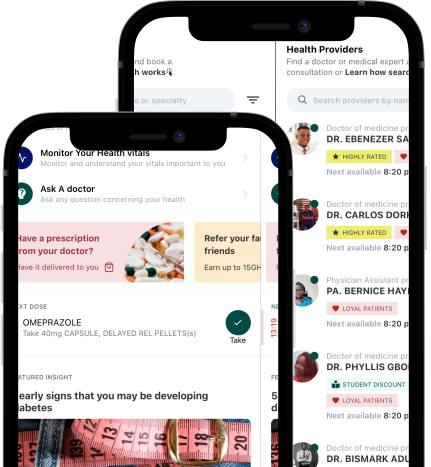
Feeling unwell? Our friendly healthcare professionals are here to listen, advise, and care for you. Just open the app for quick, expert help. No stress, no fuss.