Who is a Allergy Doctor?
An allergy doctor, also called an allergist, helps people whose bodies react badly to things like dust, pollen, certain foods, insect stings, or medicines. If you keep sneezing, breaking out in rashes, or having trouble breathing and you are not sure why, an allergist can find the cause and give you the right treatment. Anyone who has ongoing or unexplained allergic reactions should consider seeing an allergist.
Duties and Responsibilities of a Allergy Doctor
When to See a Allergy Doctor
You should consider booking an consultation if you are experiencing any of the following symptoms or conditions:
- Persistent sneezing, runny nose, or itchy eyes that keep coming back
- Skin rash, hives, or itching that will not go away
- Breathing difficulties or wheezing that gets worse in certain places or seasons
- Swelling of the face, lips, or throat after eating certain foods
- Stomach pain, vomiting, or diarrhoea after eating specific foods
- Reactions to insect stings such as bees or wasps
- Asthma that is hard to control with your current medicines
- Itchy or watery eyes that flare up during certain times of year
- Reactions to medicines like antibiotics or painkillers
- Eczema or dry, irritated skin that keeps getting worse
Conditions & Visit Reasons
Select a specific condition to learn more or search for specialists offering directed therapy plans:
Types of Allergy Doctor Specialists
Food Allergy
Focuses on identifying and managing allergic reactions to foods such as peanuts, fish, milk, and eggs.
Asthma
Deals with a condition that causes the airways to narrow and swell, making it hard to breathe, often triggered by allergens or dust.
Skin Allergy
Covers allergic skin conditions such as eczema, hives, and contact dermatitis that cause rashes, itching, or swelling.
Drug Allergy
Focuses on allergic reactions to medicines, such as penicillin or aspirin, which can cause rashes, swelling, or more serious symptoms.
Insect Allergy
Manages severe allergic reactions to insect stings or bites, such as those from bees or wasps, which can be life-threatening.
Allergic Rhinitis
Treats ongoing sneezing, runny nose, and nasal congestion caused by allergens like pollen, dust, or animal fur.
Immunodeficiency
Cares for people whose immune system is too weak to fight infections properly, helping them stay healthy and prevent serious illness.
What to Expect at Your Appointment
At your first visit, the allergist will ask you about your symptoms, how long you have had them, and what seems to make them worse — so it helps to think about this before you go. They will do a physical examination and may perform simple skin tests or order a blood test to find out exactly what is triggering your reactions. There is nothing to worry about — the tests are straightforward, and the doctor will explain everything clearly and answer any questions you have.
Training & Education Credentials
An allergist first completes a medical degree followed by several years of postgraduate training in internal medicine or paediatrics, and then an additional two to three years of specialist training in allergy and immunology. They must pass board certification examinations to practise as a qualified allergist.
Frequently Asked Questions
What does an allergy test involve?
An allergy test is usually a skin prick test, where the doctor places small amounts of common allergens on your forearm or back and lightly pricks the skin. If you are allergic to something, a small raised bump will appear within 15 to 20 minutes. The test is not very painful and is done right in the clinic. Your doctor will explain the results and what they mean for you.
How much does it cost to see an allergist?
The cost of seeing an allergist varies depending on the clinic and whether you have health insurance. In Ghana, a consultation can range from around GHS 150 to GHS 500 or more at private hospitals, while public hospitals may charge less. Allergy tests and any medicines prescribed will add to the cost. It is a good idea to call the clinic ahead of time to ask about fees.
What should I bring to my first appointment?
Bring your national ID or health insurance card, any previous medical records or test results, and a list of medicines you are currently taking. If you have noticed certain things that seem to trigger your symptoms, write them down and bring that list too. This helps the doctor understand your situation quickly and give you the best care.
How do I prepare for an allergy test?
Your doctor will usually ask you to stop taking antihistamines (common allergy medicines like cetirizine or loratadine) for at least 3 to 7 days before the test, as they can affect the results. Avoid applying lotions or creams to your arms or back on the day of the test. Wear loose, comfortable clothing so the doctor can easily access your skin. Let your doctor know about all medicines you take before stopping any of them.
When should I go to the emergency room instead of booking an allergist?
Go to the emergency room immediately if you have sudden difficulty breathing, severe swelling of the face, lips, or throat, a rapid heartbeat, or you feel faint after contact with something. These can be signs of a severe allergic reaction called anaphylaxis, which is life-threatening and needs urgent treatment. Do not wait to book an appointment in these situations. An allergist appointment is for managing ongoing or mild allergy problems, not emergencies.
Book a Allergy Doctor
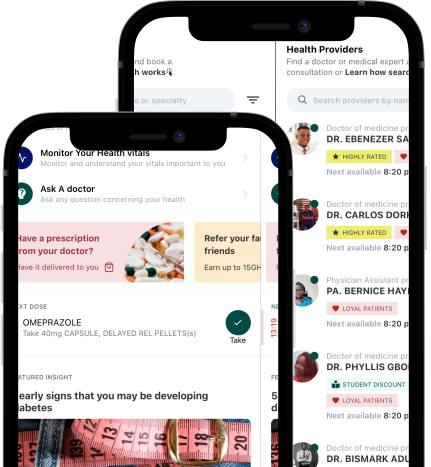
Find verified board-certified Allergy Doctors on DrDoGood. Compare reviews, check real-time availability, and schedule your appointment online.
All practitioners on DrDoGood are thoroughly vetted for credentials, licensing, and patient satisfaction histories.
Your doctor is only an appointment away.
Feeling unwell? Our friendly healthcare professionals are here to listen, advise, and care for you. Just open the app for quick, expert help. No stress, no fuss.