Understanding Animal Allergies
Animal allergies happen when your body reacts badly to things like pet fur, feathers, or animal skin flakes. You might sneeze, itch, or have trouble breathing when you are near animals like cats, dogs, goats, or chickens. A doctor can help you find out what is causing your reaction and give you the right treatment to feel better.
Common Symptoms / Concerns for Animal Allergies
When to Seek Professional Care
Book an evaluation with a healthcare provider immediately if you experience or present with:
- Difficulty breathing or feeling like your throat is closing
- Severe swelling of the face, lips, or tongue
- Dizziness or feeling faint after contact with an animal
- Chest tightness that does not go away
- Hives spreading rapidly over the body
- Vomiting or stomach pain after animal contact
- Wheezing that gets worse quickly and does not improve
- Loss of consciousness or extreme weakness after animal exposure
What to Expect During Your Medical Consultation
When you visit the doctor for animal allergies, they will ask you about your symptoms and which animals seem to trigger them. The doctor may examine your skin, nose, and eyes to understand how your body is reacting. They may refer you for allergy tests or prescribe antihistamines and other medicines to help you feel more comfortable.
Medical Divisions Vetted for Animal Allergies
Our platform supports multiple clinical specialties capable of providing consultations for this visit type:
Allergy Doctor
Clinicians available for animal allergies consultations.
Frequently Asked Questions
What causes animal allergies?
Animal allergies are caused by proteins found in an animal's skin flakes, saliva, urine, or fur. When these tiny particles enter your body through the air or by touch, your immune system treats them as a threat and causes a reaction. Common animals that trigger allergies in West Africa include cats, dogs, goats, chickens, and rabbits.
Can I keep a pet if I have animal allergies?
It is possible to keep a pet, but you will need to take extra care to manage your symptoms. Keeping the animal out of your bedroom, washing your hands after touching it, and cleaning your home regularly can help reduce reactions. Talk to your doctor about the best way to manage your allergy if you want to keep a pet.
Can home remedies replace seeing a doctor for animal allergies?
Some simple steps at home, like avoiding the animal and keeping windows open for fresh air, can help reduce mild symptoms. However, home remedies alone are usually not enough to treat animal allergies properly. It is important to see a doctor so you can get the right diagnosis and treatment, especially if your symptoms are affecting your daily life.
What treatments are available for animal allergies?
Doctors can prescribe antihistamines to reduce sneezing, itching, and a runny nose. Nasal sprays and eye drops may also be recommended to ease specific symptoms. In more serious cases, your doctor may refer you to a specialist for allergy testing or longer-term treatment options.
How can I prevent reactions to animals?
The best way to prevent a reaction is to avoid close contact with the animals that trigger your symptoms. If you must be around animals, wash your hands and face afterwards and change your clothes. Keep your living space clean and well-ventilated, and always carry any medicines your doctor has prescribed in case of a reaction.
Schedule Consultations
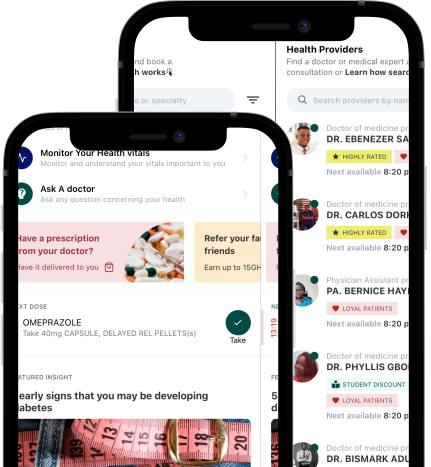
Get connected with local doctors. Instantly schedule appointments for Animal Allergies on our HIPAA-compliant, telehealth-enabled platform.
Our guides are reviewed by internal medical advisory boards to uphold patient guidelines and reference certified therapies.
Your doctor is only an appointment away.
Feeling unwell? Our friendly healthcare professionals are here to listen, advise, and care for you. Just open the app for quick, expert help. No stress, no fuss.