Understanding Frailty
Frailty is a condition where the body becomes weak and less able to cope with everyday activities or recover from illness, injury, or stress. It is more common in older adults and can make simple tasks like walking, climbing stairs, or carrying groceries feel very difficult. If you or a loved one is losing strength, feeling constantly tired, or losing weight without trying, it is important to see a doctor so the right support can be put in place.
Common Symptoms / Concerns for Frailty
When to Seek Professional Care
Book an evaluation with a healthcare provider immediately if you experience or present with:
- A sudden fall or injury that makes it hard to move or walk
- Rapid or unexplained weight loss over a few weeks
- Confusion or sudden change in behaviour in an older person
- Inability to get out of bed or care for yourself without help
- Difficulty swallowing food or drinks
- Chest pain, shortness of breath, or fainting alongside weakness
- Wounds or sores that are not healing properly
- A family member or carer notices a sudden decline in strength or alertness
What to Expect During Your Medical Consultation
When you visit the doctor for frailty, they will ask about your daily activities, appetite, recent falls, and any medicines you are taking. They may check your grip strength, watch how you walk, and carry out simple memory or balance tests. Blood tests may also be requested to look for underlying causes such as anaemia, low vitamins, or other conditions that can be treated to help you feel stronger.
Medical Divisions Vetted for Frailty
Our platform supports multiple clinical specialties capable of providing consultations for this visit type:
Internal Medicine Doctor
Clinicians available for frailty consultations.
Related Conditions
Conditions commonly associated with Frailty consultations:
Headache
Also known as: cephalgia, dolor capitis, ha, head ache, head pain
Cough
Fever
Also known as: elevated temperature, febrile illness, feverish
Tiredness
Also known as: loss of energy, malaise, tiredness
Vomiting
Frequently Asked Questions
What causes frailty in older people?
Frailty is usually caused by a combination of ageing, poor nutrition, long-term illness, and reduced physical activity. Conditions like diabetes, heart disease, or anaemia can also make frailty worse. In some cases, taking many different medicines at the same time can contribute to weakness and fatigue.
Is frailty a normal part of getting old?
While frailty is more common as people age, it is not something that must be accepted as normal. Many people remain strong and active well into old age. With the right care, exercise, and nutrition, frailty can often be slowed down or even improved.
Can frailty be treated or reversed?
Yes, frailty can often be improved with the right support. Gentle exercise, eating a balanced diet with enough protein, and treating any underlying health conditions can all help. Your doctor may refer you to a physiotherapist or nutritionist as part of your care plan.
What can I do at home to help someone who is frail?
Encourage regular gentle movement such as short walks or simple exercises, and make sure the person is eating and drinking enough each day. Remove hazards in the home that could cause falls, such as loose rugs or poor lighting. It is also important to keep up with doctor visits so any changes in health are caught early.
How can frailty be prevented?
Staying physically active, eating nutritious meals, and keeping up with regular health check-ups are the best ways to prevent frailty. Managing long-term conditions like high blood pressure or diabetes also helps protect your strength as you age. Staying socially connected and mentally active can also make a difference to overall wellbeing.
Schedule Consultations
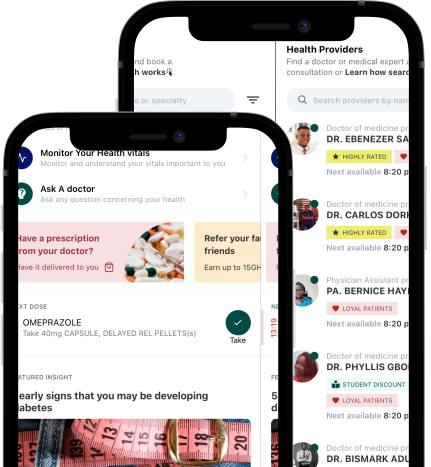
Get connected with local doctors. Instantly schedule appointments for Frailty on our HIPAA-compliant, telehealth-enabled platform.
Our guides are reviewed by internal medical advisory boards to uphold patient guidelines and reference certified therapies.
Your doctor is only an appointment away.
Feeling unwell? Our friendly healthcare professionals are here to listen, advise, and care for you. Just open the app for quick, expert help. No stress, no fuss.