Who is a Joints & Autoimmune Doctor?
A Joints & Autoimmune Doctor — known as a Rheumatologist — is a specialist who diagnoses and treats conditions that affect the joints, muscles, and the body's immune system. These doctors help people living with painful, swollen, or stiff joints, as well as conditions where the body's defence system mistakenly attacks its own tissues. If you have long-lasting joint pain, swelling, or have been told you may have an autoimmune condition, a Joints & Autoimmune Doctor is the right specialist to see.
Duties and Responsibilities of a Joints & Autoimmune Doctor
When to See a Joints & Autoimmune Doctor
You should consider booking an consultation if you are experiencing any of the following symptoms or conditions:
- Joint pain, swelling, or stiffness lasting more than 6 weeks
- Morning stiffness in the joints that lasts more than 30 minutes
- Painful, swollen, or warm joints in multiple parts of the body
- Sudden severe pain and swelling in the big toe or ankle (possible gout)
- A rash across the cheeks and nose, especially with joint pain or fatigue
- Unexplained fatigue, fever, or weight loss alongside joint symptoms
- Dry eyes and dry mouth together with joint pain
- Fingers or toes that turn white or blue in the cold (Raynaud's phenomenon)
- Diagnosed with an autoimmune condition and needing specialist management
- Muscle weakness or pain that does not improve with rest
Conditions & Visit Reasons
Select a specific condition to learn more or search for specialists offering directed therapy plans:
Types of Joints & Autoimmune Doctor Specialists
Inflammatory Arthritis
Focuses on conditions like rheumatoid arthritis and psoriatic arthritis where the immune system causes joint inflammation.
Lupus (SLE) Care
Specialises in managing systemic lupus erythematosus, an autoimmune disease that can affect the skin, joints, kidneys, and other organs.
Osteoarthritis & Degenerative Joint Disease
Deals with wear-and-tear joint damage that causes pain and reduced movement, especially in older adults.
Vasculitis
Manages inflammation of blood vessels caused by the immune system, which can affect many parts of the body.
Gout & Crystal Arthropathy
Treats gout and other conditions caused by crystal deposits in the joints, leading to sudden severe pain and swelling.
Paediatric Rheumatology
Cares for children with joint and autoimmune conditions such as juvenile idiopathic arthritis.
What to Expect at Your Appointment
At your first visit, the Joints & Autoimmune Doctor will ask you detailed questions about your symptoms — when they started, which joints are affected, and how they affect your daily life. They will gently examine your joints, check for swelling or tenderness, and may ask for blood tests or X-rays to help find the cause of your problem. You can expect a caring and thorough consultation; the doctor's goal is to understand your condition fully so they can create the best treatment plan for you.
Training & Education Credentials
A Joints & Autoimmune Doctor first completes a medical degree (MBChB or equivalent), followed by several years of postgraduate training in internal medicine, and then a further specialisation in rheumatology. In Ghana and West Africa, specialists may hold certifications from the West African College of Physicians (WACP) or equivalent international boards such as the Royal College of Physicians.
Frequently Asked Questions
How much does it cost to see a Joints & Autoimmune Doctor in Ghana?
Consultation fees vary depending on whether you visit a government hospital, a private clinic, or a specialist centre. At government facilities, costs are generally lower and may be partly covered by the National Health Insurance Scheme (NHIS). It is a good idea to call ahead and ask about fees and whether your NHIS card is accepted.
What should I bring to my first appointment?
Bring any previous medical reports, blood test results, or X-rays you already have, as these help the doctor understand your history. Also bring a list of all medications and supplements you are currently taking, your NHIS card if you have one, and a note of your symptoms — when they started and what makes them better or worse.
How do I prepare for my appointment?
Before your visit, write down all the joints or areas of your body that are painful or swollen, and note whether the pain is worse in the morning or after activity. Think about any family members who have had similar problems, as some joint and autoimmune conditions run in families. Try to arrive a little early so you have time to complete any registration paperwork.
When should I go to the emergency room instead of waiting for an appointment?
Go to the emergency room immediately if you have a single joint that is extremely swollen, hot, and painful — this could be a joint infection that needs urgent treatment. Also seek emergency care if you have chest pain, difficulty breathing, or sudden weakness alongside your joint symptoms, as these can be signs of a serious complication of an autoimmune disease.
Can autoimmune diseases be cured, or will I need treatment forever?
Most autoimmune diseases cannot be completely cured, but they can be very well controlled with the right treatment, allowing you to live a normal and active life. Some patients achieve long periods with no symptoms (called remission) and may be able to reduce their medication over time. Your doctor will work with you to find the best long-term plan and will monitor you regularly to keep your condition under control.
Book a Joints & Autoimmune Doctor
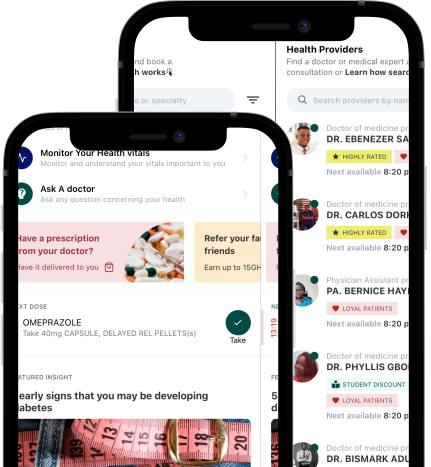
Find verified board-certified Joints & Autoimmune Doctors on DrDoGood. Compare reviews, check real-time availability, and schedule your appointment online.
All practitioners on DrDoGood are thoroughly vetted for credentials, licensing, and patient satisfaction histories.
Your doctor is only an appointment away.
Feeling unwell? Our friendly healthcare professionals are here to listen, advise, and care for you. Just open the app for quick, expert help. No stress, no fuss.