Who is a Plastic & Reconstructive Surgeon?
A Plastic & Reconstructive Surgeon is a doctor who repairs, rebuilds, or improves parts of the body that have been damaged by injury, disease, burns, or birth differences. They work on both the outside appearance and the function of the body — helping people look and feel better after accidents, surgeries, or conditions they were born with. If you or a loved one has a wound that will not heal, a scar causing problems, or a body part that needs rebuilding, this is the specialist to see.
Duties and Responsibilities of a Plastic & Reconstructive Surgeon
When to See a Plastic & Reconstructive Surgeon
You should consider booking an consultation if you are experiencing any of the following symptoms or conditions:
- A burn injury that covers a large area of the body or the face
- A wound or ulcer that has not healed after several weeks of treatment
- A child born with cleft lip, cleft palate, or extra or missing fingers
- Severe scarring after an accident, surgery, or infection that limits movement or causes pain
- A lump or growth on the skin that a doctor has recommended removing
- Breast reconstruction needed after surgery for breast cancer
- A hand or finger injury affecting grip, movement, or feeling
- Skin cancer or a suspicious skin lesion that needs to be removed and repaired
- Facial injuries from a road accident or assault that need rebuilding
- A birth difference or deformity affecting how a body part looks or works
Conditions & Visit Reasons
Select a specific condition to learn more or search for specialists offering directed therapy plans:
Types of Plastic & Reconstructive Surgeon Specialists
Burns Surgery
Focuses on treating severe burn injuries through skin grafting and long-term wound management.
Hand Surgery
Specialises in repairing injuries and conditions affecting the hand, wrist, and fingers to restore function.
Craniofacial Surgery
Corrects birth differences and injuries affecting the skull, face, and jaw.
Breast Reconstruction
Rebuilds the breast after mastectomy or injury using the patient's own tissue or implants.
Paediatric Plastic Surgery
Treats birth differences and injuries in children, including cleft lip and palate repair.
Wound Care & Microsurgery
Uses advanced techniques to repair complex wounds and reconnect tiny blood vessels and nerves.
Cosmetic Surgery
Improves the appearance of the face and body through procedures like scar revision, rhinoplasty, and eyelid surgery.
What to Expect at Your Appointment
At your first visit, the surgeon will listen carefully to your concerns and ask about your medical history, any previous surgeries, and how your condition is affecting your daily life. They will examine the area of concern closely and may take photographs to help plan your treatment. You will leave with a clear explanation of your options, what any procedure involves, and what results you can realistically expect — there is no pressure to decide on the day.
Training & Education Credentials
A Plastic & Reconstructive Surgeon completes medical school followed by a surgical residency of at least five to six years, with specialised training in reconstructive and cosmetic techniques. In Ghana and West Africa, surgeons may hold fellowship certification from the West African College of Surgeons (WACS) or the Ghana College of Physicians and Surgeons, confirming their expertise and competence.
Frequently Asked Questions
How much does plastic or reconstructive surgery cost in Ghana?
The cost varies widely depending on the type of procedure, the hospital, and whether it is reconstructive (medically necessary) or cosmetic. Reconstructive procedures — such as cleft lip repair or burn treatment — may be covered by the National Health Insurance Scheme (NHIS) or supported by charitable programmes. It is best to ask the hospital's billing office for a full estimate before your appointment.
What should I bring to my first appointment?
Bring your NHIS card or any health insurance documents, a referral letter from your doctor if you have one, and any previous medical records, test results, or photographs related to your condition. If your child is the patient, bring their immunisation record and birth certificate. Wearing loose, comfortable clothing that gives easy access to the area being examined is also helpful.
How do I prepare for a reconstructive surgery procedure?
Your surgeon will give you specific instructions before the operation, but in general you should stop smoking if you smoke, eat well to support healing, and avoid blood-thinning medicines like aspirin unless your doctor says otherwise. You will usually be asked not to eat or drink anything from midnight before the surgery. Make sure you arrange for someone to take you home and stay with you for the first day or two after the procedure.
When should I go to the emergency room instead of booking an appointment?
Go to the emergency room immediately if you have a large or deep wound that is bleeding heavily and will not stop, a severe burn covering a wide area of the body or the face, or signs of serious infection such as high fever, spreading redness, or pus from a wound. Do not wait for a scheduled appointment in these situations — prompt treatment can save lives and prevent permanent damage.
Is cosmetic surgery available in Ghana, and is it safe?
Yes, cosmetic procedures such as scar revision, keloid treatment, and eyelid surgery are available at several hospitals and private clinics in Ghana. Safety depends on choosing a qualified, board-certified surgeon who operates in a properly equipped facility. Always verify that your surgeon is registered with the Medical and Dental Council of Ghana and ask about their experience with the specific procedure you are considering.
Book a Plastic & Reconstructive Surgeon
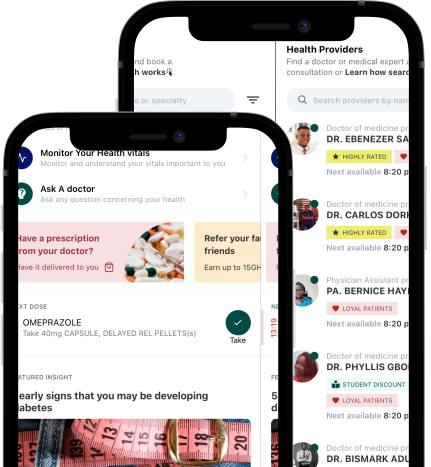
Find verified board-certified Plastic & Reconstructive Surgeons on DrDoGood. Compare reviews, check real-time availability, and schedule your appointment online.
All practitioners on DrDoGood are thoroughly vetted for credentials, licensing, and patient satisfaction histories.
Your doctor is only an appointment away.
Feeling unwell? Our friendly healthcare professionals are here to listen, advise, and care for you. Just open the app for quick, expert help. No stress, no fuss.