Understanding Abnormal Tooth Eruption
Abnormal tooth eruption happens when teeth come in at the wrong time, grow in the wrong position, or do not come in at all. This can affect both children losing their baby teeth and adults, and it can cause pain, crowding, or problems with biting and chewing. If you or your child has a tooth that seems to be growing in the wrong place or has not appeared when expected, it is a good idea to see a dentist so the problem can be caught early.
Common Symptoms / Concerns for Abnormal Tooth Eruption
When to Seek Professional Care
Book an evaluation with a healthcare provider immediately if you experience or present with:
- Severe pain in the jaw or gum that does not go away after two days
- A tooth is growing into the roof of the mouth or the tongue area
- Swelling in the face, cheek, or neck alongside a problem tooth
- A child has reached age 7 and their adult front teeth have not yet appeared
- Pus or a bad smell coming from the gum around a tooth
- Difficulty opening the mouth or swallowing due to swelling
- A baby tooth has not fallen out but the adult tooth is already growing behind it
- Fever combined with pain and swelling near a tooth
What to Expect During Your Medical Consultation
When you visit the dentist, they will ask you about your symptoms, how long you have had them, and whether there is any pain. The dentist will look inside your mouth to check how your teeth are growing and may take an X-ray to see what is happening beneath the gum. There is no need to worry — the dentist is there to help, and most cases of abnormal tooth eruption can be treated with simple steps once the problem is identified.
Medical Divisions Vetted for Abnormal Tooth Eruption
Our platform supports multiple clinical specialties capable of providing consultations for this visit type:
Teeth Straightening Doctor
Clinicians available for abnormal tooth eruption consultations.
Frequently Asked Questions
Why are my child's teeth coming in crooked or late?
Teeth can come in crooked or late due to several reasons, including overcrowding in the jaw, early loss of baby teeth, or genetic factors inherited from parents. Poor nutrition during early childhood, especially lack of calcium and vitamin D, can also delay tooth eruption. In some cases, habits like prolonged thumb-sucking or pacifier use can push teeth out of their normal position.
Does abnormal tooth eruption affect only children, or can adults be affected too?
Abnormal tooth eruption is most common in children and teenagers as their permanent teeth are still developing and coming in. However, adults can also experience issues such as impacted wisdom teeth or teeth shifting due to tooth loss or gum disease. It is important for both children and adults to have regular dental check-ups to catch any eruption problems early.
What can I do at home, and when should I see a dentist about abnormal tooth eruption?
At home, you can encourage good oral hygiene by brushing twice daily and eating a balanced diet rich in calcium to support healthy tooth development. However, if you notice a tooth that is very late to appear, growing in a very unusual direction, or causing pain and swelling, you should see a dentist as soon as possible. Home care cannot correct structural problems — a dentist or orthodontist is needed to properly assess and treat abnormal eruption.
What are the treatment options for abnormal tooth eruption?
Treatment depends on the severity of the problem and may include braces or other orthodontic appliances to guide teeth into the correct position. In some cases, a dentist may recommend extracting a baby tooth that is blocking a permanent tooth from coming in properly. For impacted teeth that are stuck under the gum, a minor surgical procedure may be needed to expose and guide the tooth into place.
Can diet or lifestyle changes help prevent abnormal tooth eruption?
A diet rich in calcium and vitamin D — found in foods like fish, leafy greens, dairy products, and fortified foods — supports strong, healthy tooth development from an early age. Avoiding sugary foods and drinks helps prevent tooth decay, which can damage baby teeth and disrupt the normal eruption of permanent teeth. Discouraging habits like thumb-sucking after age three and ensuring children have regular dental visits are also important steps in preventing eruption problems.
Schedule Consultations
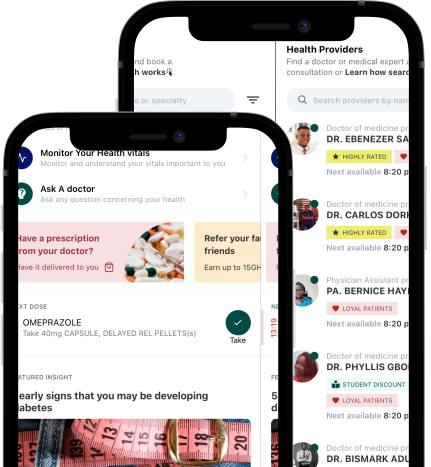
Get connected with local doctors. Instantly schedule appointments for Abnormal Tooth Eruption on our HIPAA-compliant, telehealth-enabled platform.
Our guides are reviewed by internal medical advisory boards to uphold patient guidelines and reference certified therapies.
Your doctor is only an appointment away.
Feeling unwell? Our friendly healthcare professionals are here to listen, advise, and care for you. Just open the app for quick, expert help. No stress, no fuss.