Understanding ENT Emergency Visit
An ENT emergency is when you have a sudden, serious problem with your ear, nose, or throat that cannot wait for a regular appointment. These problems can come on quickly and may affect your ability to hear, breathe, swallow, or speak. If you or someone you know is experiencing a severe or worsening problem in any of these areas, it is important to see a doctor right away.
Common Symptoms / Concerns for ENT Emergency Visit
When to Seek Professional Care
Book an evaluation with a healthcare provider immediately if you experience or present with:
- Difficulty breathing or swallowing that is getting worse
- Sudden complete loss of hearing in one or both ears
- Heavy bleeding from the ear or nose that does not stop after 10 minutes
- Severe dizziness that makes it impossible to stand or walk
- Swelling in the throat or neck that is growing quickly
- High fever with a very painful, swollen throat
- A foreign object stuck in the ear, nose, or throat
- Sudden severe pain in the ear after a head injury or loud noise
What to Expect During Your Medical Consultation
When you arrive, the doctor will ask you about your symptoms, how long you have had them, and whether anything made them worse. They will then gently examine your ears, nose, and throat using a small light and other simple tools, and may ask for a blood test or scan if needed. Our team will make sure you are comfortable throughout and will explain everything they find in a way that is easy to understand.
Medical Divisions Vetted for ENT Emergency Visit
Our platform supports multiple clinical specialties capable of providing consultations for this visit type:
Ear, Nose & Throat Doctor
Clinicians available for ent emergency visit consultations.
Related Conditions
Conditions commonly associated with ENT Emergency Visit consultations:
Headache
Also known as: cephalgia, dolor capitis, ha, head ache, head pain
Cough
Frequently Asked Questions
What are the most common causes of ENT emergencies in West Africa?
Common ENT emergencies in West Africa include severe throat infections (like quinsy or peritonsillar abscess), sudden hearing loss, nosebleeds that won't stop, foreign objects stuck in the ear or nose, and deep neck infections. Conditions like malaria and sickle cell disease can also cause ear, nose, and throat complications. Dusty environments and limited access to early treatment can make minor problems turn into emergencies. Seeking care early is the best way to prevent a small issue from becoming serious.
When should I stop using home remedies and see a doctor for an ENT problem?
You should see a doctor right away if your symptoms are getting worse after two or three days of home treatment, or if you have a high fever, difficulty swallowing, or trouble breathing. Putting oil, leaves, or other objects into the ear or nose can make the problem worse and should be avoided. If a child has something stuck in their ear or nose, do not try to remove it at home — go to a clinic immediately. Any sudden loss of hearing or vision changes alongside ENT symptoms also requires urgent medical attention.
What treatments are available for ENT emergencies?
Treatment depends on the specific problem, but common options include antibiotics for infections, drainage of abscesses, and removal of foreign objects by a trained doctor. Some conditions, like a severely blocked airway or a large abscess, may require a minor surgical procedure. Pain relief and anti-inflammatory medicines are often given to help you feel more comfortable during recovery. Your doctor will choose the safest and most effective treatment based on your condition and available resources.
How can I prevent ENT problems from becoming emergencies?
Treating ear, throat, and nose infections early — before they get severe — is the most important step in prevention. Avoid inserting objects into your ears or nose, and protect your ears from very loud noise and dirty water. Staying up to date on vaccinations, such as those for meningitis and measles, can also reduce the risk of serious ENT complications. If you or your child has recurring ear or throat infections, talk to a doctor about long-term management options.
What should I do if my ENT symptoms come back after treatment?
If your symptoms return after completing treatment, it is important to go back to the clinic rather than restarting old medicines on your own. Recurring symptoms can mean the infection was not fully cleared, or that there is an underlying condition that needs further investigation. Your doctor may recommend additional tests, a different antibiotic, or a referral to an ENT specialist. Do not ignore returning symptoms, as repeated infections can lead to permanent damage to your hearing or other complications.
Schedule Consultations
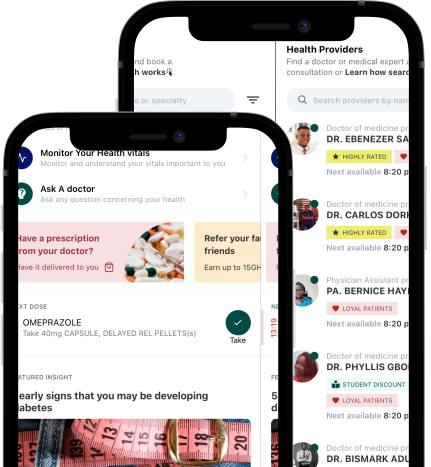
Get connected with local doctors. Instantly schedule appointments for ENT Emergency Visit on our HIPAA-compliant, telehealth-enabled platform.
Our guides are reviewed by internal medical advisory boards to uphold patient guidelines and reference certified therapies.
Your doctor is only an appointment away.
Feeling unwell? Our friendly healthcare professionals are here to listen, advise, and care for you. Just open the app for quick, expert help. No stress, no fuss.