Who is a Ear, Nose & Throat Doctor?
An Ear, Nose & Throat (ENT) doctor — also called an otorhinolaryngologist — is a specialist who diagnoses and treats problems affecting the ears, nose, throat, and related areas of the head and neck. They help patients with conditions ranging from hearing loss and sinus infections to voice problems and swallowing difficulties. If you or your child has ongoing ear pain, blocked nose, sore throat, or any head and neck concern that has not improved, an ENT doctor is the right specialist to see.
Duties and Responsibilities of a Ear, Nose & Throat Doctor
When to See a Ear, Nose & Throat Doctor
You should consider booking an consultation if you are experiencing any of the following symptoms or conditions:
- Ear pain or discharge that has lasted more than a few days
- Hearing loss or muffled hearing in one or both ears
- Ringing or buzzing sounds in the ears (tinnitus)
- Blocked or stuffy nose lasting more than two weeks
- Frequent or severe sinus headaches and facial pressure
- Recurring sore throat or tonsil infections
- Hoarse or changed voice lasting more than two weeks
- Difficulty swallowing food or liquids
- A lump or swelling in the neck that does not go away
- Loud snoring or stopping breathing during sleep
Conditions & Visit Reasons
Select a specific condition to learn more or search for specialists offering directed therapy plans:
Conditions Treated
Common conditions that a Ear, Nose & Throat Doctor can diagnose, manage, or treat:
Headache
Also known as: cephalgia, dolor capitis, ha, head ache, head pain
Cough
Types of Ear, Nose & Throat Doctor Specialists
Otology / Neurotology
Focuses on diseases of the ear, including hearing loss, ear infections, and balance disorders.
Rhinology
Specialises in conditions of the nose and sinuses, such as chronic sinusitis and nasal polyps.
Laryngology
Deals with disorders of the voice box (larynx) and throat, including voice problems and swallowing difficulties.
Head and Neck Surgery / Oncology
Manages tumours and cancers of the head and neck, including the thyroid, salivary glands, and lymph nodes.
Paediatric ENT
Specialises in ear, nose, and throat conditions in infants and children, such as recurrent ear infections and enlarged tonsils.
Facial Plastic and Reconstructive Surgery
Performs cosmetic and reconstructive surgery of the face, nose, and neck.
Sleep Medicine (ENT)
Evaluates and treats sleep-related breathing disorders such as snoring and obstructive sleep apnoea.
What to Expect at Your Appointment
At your first visit, the ENT doctor will ask about your symptoms, how long you have had them, and your general health history. They will gently examine your ears using a small light, look inside your nose and throat, and feel the glands in your neck — all of which is quick and painless. Depending on what they find, they may arrange a hearing test, a nasal endoscopy (a thin camera to look inside the nose), or imaging such as an X-ray or scan, so try not to worry — the doctor will explain every step.
Training & Education Credentials
An ENT doctor completes a medical degree followed by a residency of at least five years specialising in otorhinolaryngology and head and neck surgery. In Ghana and across West Africa, specialists are certified by the West African College of Surgeons (WACS) or the Ghana College of Physicians and Surgeons (GCPS) after passing rigorous examinations.
Frequently Asked Questions
How much does it cost to see an ENT doctor in Ghana?
The cost of an ENT consultation in Ghana varies depending on whether you visit a government hospital, a private clinic, or a specialist centre. At government facilities, fees are generally lower and may be covered partly by the National Health Insurance Scheme (NHIS). Private specialist consultations typically range from GHS 200 to GHS 600 or more, so it is worth calling ahead to confirm the fee and whether your NHIS card is accepted.
What should I bring to my ENT appointment?
Bring your NHIS card or any health insurance documents, a valid ID, and any previous medical records, test results, or referral letters from your doctor. If you have been using any ear drops, nasal sprays, or medications for your symptoms, bring those along or write down their names so the specialist can review them.
How do I prepare for an ENT visit?
No special preparation is usually needed for a routine ENT appointment. Try to write down your symptoms before you go — when they started, how often they occur, and anything that makes them better or worse. If you are coming for a hearing test, avoid loud noise the day before, and if you have a blocked nose, avoid using nasal sprays on the morning of your visit unless your doctor has told you to.
When should I go to the emergency room instead of booking an ENT appointment?
Go to the emergency room immediately if you have sudden complete hearing loss in one ear, a severe nosebleed that will not stop after 20 minutes of pressure, difficulty breathing due to throat swelling, or a high fever with a very stiff neck. These can be signs of serious conditions that need urgent care and should not wait for a scheduled appointment.
Can children see an ENT doctor, and is it safe?
Yes, ENT doctors regularly treat children of all ages, including babies. Conditions like recurrent ear infections, enlarged tonsils, and hearing problems are very common in children and respond well to ENT care. The examination is gentle and child-friendly, and the doctor will explain everything to both you and your child to make the visit as comfortable as possible.
Book a Ear, Nose & Throat Doctor
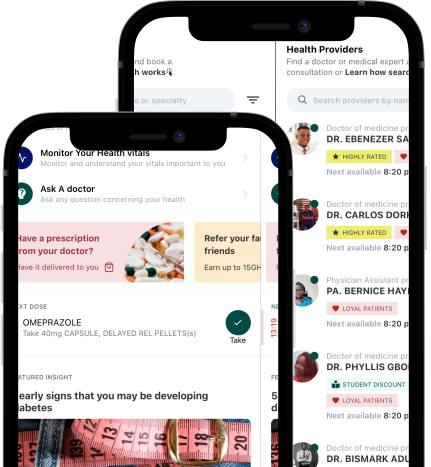
Find verified board-certified Ear, Nose & Throat Doctors on DrDoGood. Compare reviews, check real-time availability, and schedule your appointment online.
All practitioners on DrDoGood are thoroughly vetted for credentials, licensing, and patient satisfaction histories.
Your doctor is only an appointment away.
Feeling unwell? Our friendly healthcare professionals are here to listen, advise, and care for you. Just open the app for quick, expert help. No stress, no fuss.