Abigail Adu-Opokua
₵100
per visit
Prime: ₵90
Accra
TodayVirtual
Pleasant medical doctor with over 8 years experience in clinical practice and keen interest in preventive medicine and women’s health.
Next available — mon, Oct 19

Fatigue or tiredness means feeling very weak, exhausted, or lacking the energy to carry out your normal daily activities. It is a common problem that can be caused by many things, including poor sleep, stress, anaemia, malaria, or other illnesses. If your tiredness is severe, has lasted a long time, or is affecting your life, it is important to see a doctor to find out the cause and get the right treatment.
Book an evaluation with a healthcare provider immediately if you experience or present with:
When you visit the doctor for fatigue, they will ask you questions about how long you have been tired, your sleep habits, your diet, and any other symptoms you may have noticed. The doctor will also examine you — checking things like your blood pressure, heart rate, and the colour of your eyes and skin. They may ask for some simple blood tests, such as a malaria test or a blood count, to help find the cause of your tiredness and recommend the best treatment for you.
Our platform supports multiple clinical specialties capable of providing consultations for this visit type:
Clinicians available for fatigue / tiredness consultations.
₵100
per visit
Prime: ₵90
Pleasant medical doctor with over 8 years experience in clinical practice and keen interest in preventive medicine and women’s health.
Next available — mon, Oct 19
Tiredness in Ghana is often caused by malaria, anaemia (low blood), poor sleep, or not eating enough nutritious food. Hard physical work, stress, and dehydration can also make you feel very tired. Sometimes an underlying illness like diabetes or thyroid problems can cause ongoing fatigue. If your tiredness does not go away after rest, it is important to see a doctor.
Mild tiredness can often be helped at home by resting well, drinking enough water, and eating balanced meals with fruits, vegetables, and protein. If your tiredness lasts more than two weeks, is very severe, or comes with other symptoms like fever, weight loss, or difficulty breathing, you should visit a clinic or hospital. Do not ignore tiredness that keeps coming back, as it may be a sign of something that needs treatment.
Yes, in some cases tiredness can be a sign of a serious condition such as malaria, anaemia, HIV, diabetes, heart problems, or cancer. This is especially true if the tiredness is very strong, does not improve with rest, or comes with other warning signs like fever, unexplained weight loss, or swollen body parts. It is always better to get checked by a health worker so that any serious cause can be found and treated early.
The treatment depends on what is causing your tiredness. For example, if you have malaria, the doctor will give you antimalarial medicines; if you have anaemia, you may receive iron tablets or other supplements. The doctor will first ask you questions and may do some blood tests to find the cause before giving you the right treatment. Following the doctor's advice and completing your treatment fully will help you recover faster.
You can help prevent tiredness by sleeping at least 7 to 8 hours each night, eating regular balanced meals, and drinking plenty of clean water throughout the day. Avoid too much alcohol, and try to manage stress through rest, prayer, or talking to someone you trust. Sleeping under a treated mosquito net and taking preventive care for common illnesses like malaria can also protect your energy. Regular light exercise, such as walking, can also help you feel more energetic over time.
Get connected with local doctors. Instantly schedule appointments for Fatigue / Tiredness on our HIPAA-compliant, telehealth-enabled platform.
Our guides are reviewed by internal medical advisory boards to uphold patient guidelines and reference certified therapies.
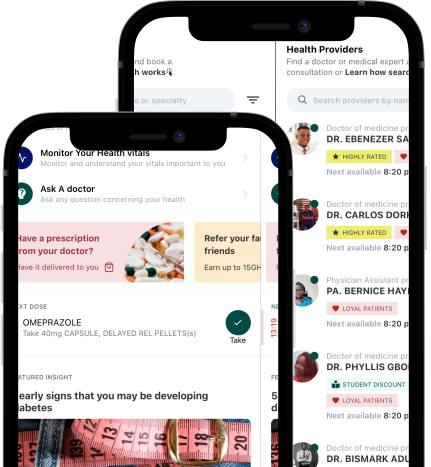
Feeling unwell? Our friendly healthcare professionals are here to listen, advise, and care for you. Just open the app for quick, expert help. No stress, no fuss.