Understanding Gapped Teeth
Gapped teeth, sometimes called diastema, is when there is a noticeable space or gap between two or more teeth — most commonly the two front teeth on top. Many people in Ghana and West Africa live with gapped teeth without any problems, but some visit a dentist because the gap is growing, causing discomfort, or affecting how they feel about their smile. A dentist can check whether the gap needs treatment or simply needs to be monitored.
Common Symptoms / Concerns for Gapped Teeth
When to Seek Professional Care
Book an evaluation with a healthcare provider immediately if you experience or present with:
- The gap between your teeth is getting noticeably wider over time
- You have pain or tenderness in your gums around the gap
- Your gums are swollen, bleeding, or pulling away from your teeth
- You are having difficulty chewing or biting food properly
- Your teeth feel loose or like they have shifted
- You notice a change in the way your upper and lower teeth fit together when you bite
- A child's permanent teeth are coming in with large gaps that are not closing
What to Expect During Your Medical Consultation
When you visit the dentist for gapped teeth, they will ask you how long you have had the gap, whether it has changed, and if you have any pain or difficulty eating. The dentist will examine your teeth and gums closely, check how your bite fits together, and may take an X-ray to see the roots of your teeth and the bone underneath. This is a straightforward appointment — the dentist is simply gathering information to advise you on the best next step, whether that is treatment or just keeping an eye on things.
Medical Divisions Vetted for Gapped Teeth
Our platform supports multiple clinical specialties capable of providing consultations for this visit type:
Teeth Straightening Doctor
Clinicians available for gapped teeth consultations.
Frequently Asked Questions
What causes gaps between teeth?
Gaps between teeth, also called diastema, can be caused by several things. They may run in the family if your jaw is larger than your teeth. A habit like thumb-sucking or pushing your tongue against your teeth can also push them apart over time. Sometimes a gap forms when a tooth is missing or when the tissue above the front teeth is too large.
Can a gap between my teeth close on its own?
In young children, a gap between the front teeth often closes naturally as the adult teeth come in. However, in teenagers and adults, gaps rarely close on their own without treatment. If you have noticed a gap that is getting bigger, it is best to see a dentist so they can find the cause and advise you.
What are the treatment options for closing a gap between teeth?
There are several ways a dentist can close a gap between teeth. Braces or clear aligners can gradually move the teeth closer together over several months. Dental bonding uses a tooth-coloured material to fill in the space, which is a quicker and more affordable option. A retainer may also be used after braces to keep the teeth in their new position.
Are gapped teeth harmful to my health?
In most cases, a small gap between teeth does not cause serious health problems. However, larger gaps can make it harder to clean between teeth properly, which may lead to gum disease or tooth decay over time. Some people also find that gaps affect the way they speak or chew. It is a good idea to visit a dentist to check whether your gap needs any attention.
How can I prevent my tooth gap from getting worse?
To keep a gap from widening, try to avoid habits like tongue thrusting or sucking your thumb, as these can push teeth apart. Seeing a dentist regularly helps catch any changes early before they become a bigger problem. If you have had treatment to close a gap, wearing your retainer as directed will help keep the teeth in place. Good oral hygiene, including brushing and flossing daily, also protects the gums and keeps teeth stable.
Schedule Consultations
Get connected with local doctors. Instantly schedule appointments for Gapped Teeth on our HIPAA-compliant, telehealth-enabled platform.
Our guides are reviewed by internal medical advisory boards to uphold patient guidelines and reference certified therapies.
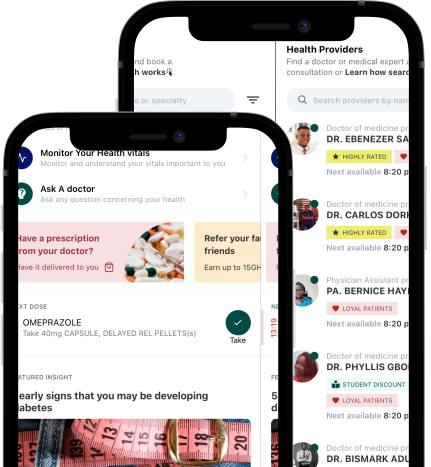
Your doctor is only an appointment away.
Feeling unwell? Our friendly healthcare professionals are here to listen, advise, and care for you. Just open the app for quick, expert help. No stress, no fuss.