Understanding Home Lung Function Test
A home lung function test is a simple test you can do at yourself at home to check how well your lungs are working — usually using a small device called a peak flow meter or a spirometry device that measures how much air you can breathe out. It is often used by people who have asthma, a persistent cough, or other breathing problems to keep track of their lung health between doctor visits. If your results are lower than normal, or if you are feeling short of breath more often, it is a good idea to see a doctor.
Common Symptoms / Concerns for Home Lung Function Test
When to Seek Professional Care
Book an evaluation with a healthcare provider immediately if you experience or present with:
- Breathing becomes so difficult you cannot speak in full sentences
- Your lips or fingertips turn blue or grey
- Your peak flow reading drops very low and does not improve after using your inhaler
- You feel chest pain along with difficulty breathing
- You are breathing much faster than normal and cannot slow it down
- You feel confused, dizzy, or faint due to difficulty breathing
- A child is breathing so hard their stomach is pulling in with each breath
What to Expect During Your Medical Consultation
When you visit the doctor about your breathing, they will ask you questions about your symptoms — such as how long you have had them, what makes them better or worse, and whether you have been exposed to dust, smoke, or fumes. The doctor will listen to your lungs with a stethoscope and may ask you to breathe into a device to measure how well your lungs are working. You may also be sent for a chest X-ray or a blood test, but the doctor will explain everything clearly and work with you to find the best way to help you breathe easier.
Medical Divisions Vetted for Home Lung Function Test
Our platform supports multiple clinical specialties capable of providing consultations for this visit type:
Lung Doctor
Clinicians available for home lung function test consultations.
Frequently Asked Questions
What is a home lung function test and how does it work?
A home lung function test measures how well your lungs are working by checking how much air you can breathe in and out. The most common device used is a peak flow meter or a small spirometer, which you blow into as hard and fast as you can. The reading tells you whether your airways are open and healthy or narrowed and restricted. It is a simple, painless test you can do yourself without going to a clinic.
When is it okay to test my lungs at home, and when should I see a doctor instead?
Home testing is useful for monitoring a known condition like asthma or COPD, or for tracking changes in your breathing over time. You should see a doctor if you experience sudden shortness of breath, chest pain, coughing up blood, or if your readings drop significantly from your normal range. A doctor visit is also important if you have never been diagnosed before and want to understand what your results mean. Home tests are for monitoring, not for diagnosing a new condition.
What are the common causes of poor lung function?
Poor lung function can be caused by conditions like asthma, chronic obstructive pulmonary disease (COPD), or repeated chest infections. Exposure to smoke, dust, indoor cooking fumes, and air pollution — which are common in many parts of West Africa — can also damage the lungs over time. Allergies, tuberculosis, and untreated respiratory infections are other frequent causes in the region. Smoking, whether cigarettes or other substances, is one of the leading causes worldwide.
Are home lung function test results reliable and accurate?
Home lung function devices can give useful readings, but they are generally less precise than the equipment used in a hospital or clinic. Results can vary depending on how correctly you perform the test, the quality of the device, and whether it has been properly calibrated. They are most reliable when used consistently over time to spot trends rather than as a one-time diagnosis. Always share your home readings with a healthcare provider so they can interpret them alongside your full medical history.
How can I improve my lung health and get better test results?
You can improve your lung health by avoiding smoke, dust, and strong fumes, and by keeping your living space well ventilated. Regular physical activity such as walking or light exercise helps strengthen the muscles that support breathing. If you have asthma or another lung condition, taking your prescribed medication consistently is very important. Eating a balanced diet, staying hydrated, and treating respiratory infections early also help keep your lungs in good condition.
Schedule Consultations
Get connected with local doctors. Instantly schedule appointments for Home Lung Function Test on our HIPAA-compliant, telehealth-enabled platform.
Our guides are reviewed by internal medical advisory boards to uphold patient guidelines and reference certified therapies.
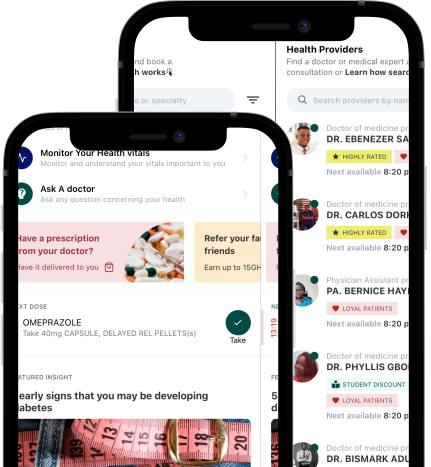
Your doctor is only an appointment away.
Feeling unwell? Our friendly healthcare professionals are here to listen, advise, and care for you. Just open the app for quick, expert help. No stress, no fuss.